U.S. Military Strikes Raise Questions Over Targeting Accuracy
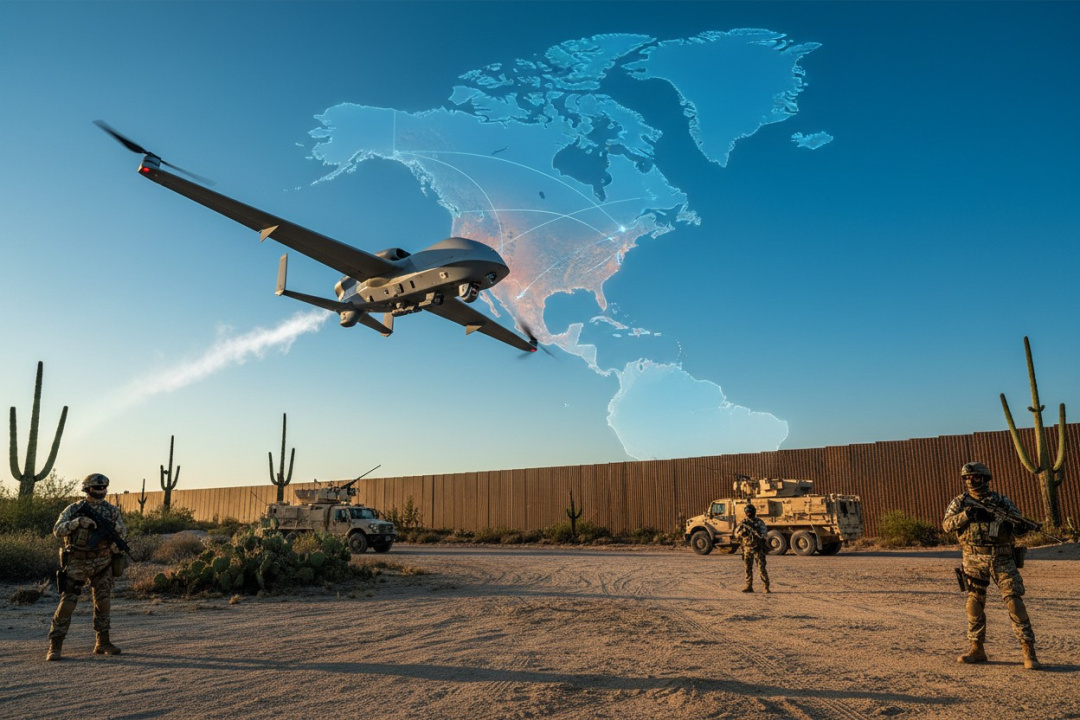
The U.S. military has launched another lethal strike on an alleged drug-smuggling vessel in the Eastern Pacific, resulting in the deaths of five individuals. This incident marks a continuation of a controversial military campaign that has reportedly killed over 240 people since its inception in September 2025. As grainy footage of the burning boat circulates online, the fundamental question arises: Does the Pentagon truly know who it is targeting?
The strike occurred on October 27, under the direction of U.S. Southern Command, targeting what officials described as a "go-fast vessel" along a route purportedly used by drug traffickers. The Joint Task Force Western Hemisphere, a newly established unit overseeing this campaign, executed the attack. While government officials labeled the deceased as "narco-terrorists," they provided no evidence of drug cargo or the identities of those on board.
Common Sense Shop
The United States of Common Sense
Amazon shopping links. Sponsor Complete!
According to reports, this incident represents the 72nd known strike in this ongoing campaign. Families of some victims have come forward, asserting that their loved ones were not involved in drug trafficking but were instead fishermen and farmers. This stark contrast between the military's narrative and the families' accounts raises significant concerns about the accuracy of the Pentagon's intelligence.
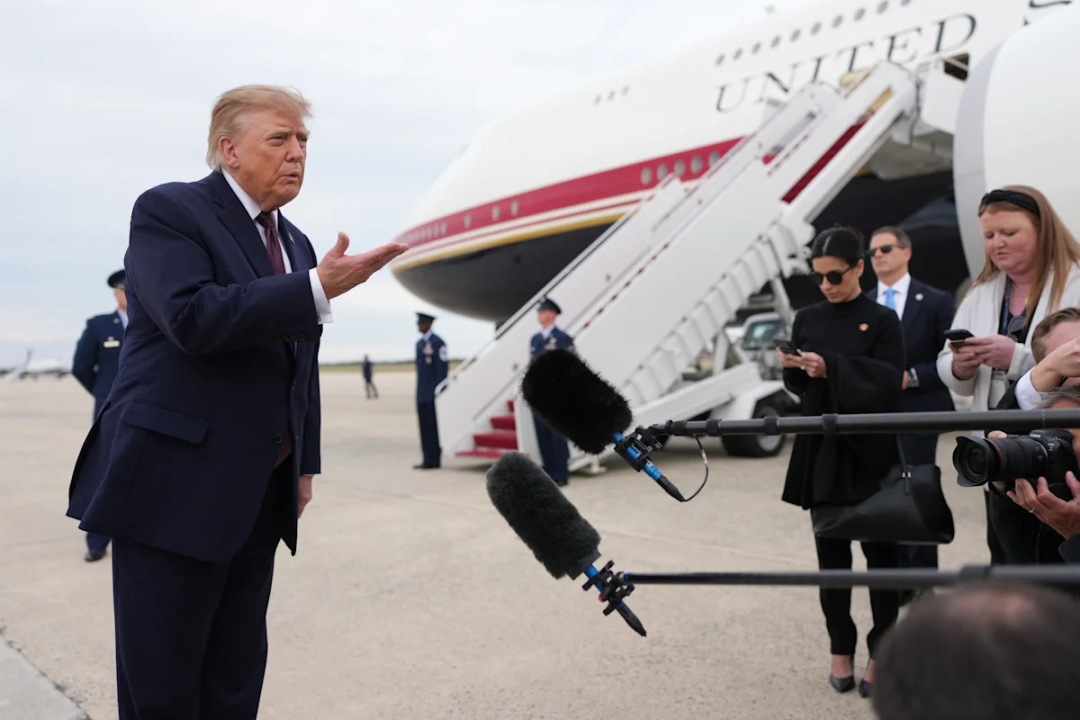
At a recent forum in Santo Domingo, Dominican Republic, senior Pentagon adviser Eric Geressy reiterated the administration's stance, categorizing the cartels as "violent extremist organizations" akin to Al-Qaida and ISIS. He further alleged, without providing evidence, that these cartels have adapted their strategies to counter the U.S. military not on the battlefield but in courtrooms, claiming they fund non-governmental organizations to file frivolous human rights petitions that hinder military operations.
These statements come as coalition partners from 19 Western Hemisphere nations have signed off on a joint campaign plan and charter outlining the alliance's operational framework. Washington insists it is engaged in an armed conflict against these cartels, which it has classified as terrorist groups. Critics, however, argue that this legal framework does not appropriately apply to criminal activity.
Scrutiny of Military Operations Intensifies
The Pentagon's credibility is increasingly under scrutiny. Family members of those killed in previous strikes have expressed their anguish, insisting that their loved ones were innocent and had no ties to drug trafficking. In a September report, Ben Saul, the U.N. special rapporteur on counter-terrorism and human rights, suggested that the killings may constitute crimes against humanity, highlighting evidence that the strikes have not effectively reduced drug trafficking into the United States.
Southern Command's standard operating procedures provide little clarity regarding the strikes. The military typically releases brief statements claiming intelligence confirmed narcotics involvement, yet videos show little more than boats exploding without any evidence of drug cargo or named suspects. Human Rights Watch has condemned these strikes as extrajudicial killings and has urged Congress to establish a special investigative committee. The organization has warned that countries collaborating with the U.S. may face legal repercussions if they continue to share intelligence that facilitates these attacks.
The Common Sense Test
Secretary of State Marco Rubio has defended the military's actions, asserting that each strike undergoes a legal review, with a legal officer present to ensure compliance with the law. However, the Pentagon's own watchdog indicated in May that it would only verify adherence to targeting procedures, not the legality of the strikes themselves.
As the death toll rises, the identities of those killed remain largely unknown, and the mission's rationale remains shrouded in ambiguity. Until the government provides concrete evidence, the question persists: Were these individuals truly narco-terrorists, or were they simply victims caught in a military operation gone awry?