Congress Questions Shah's Delay on Delimitation Bill Discussions
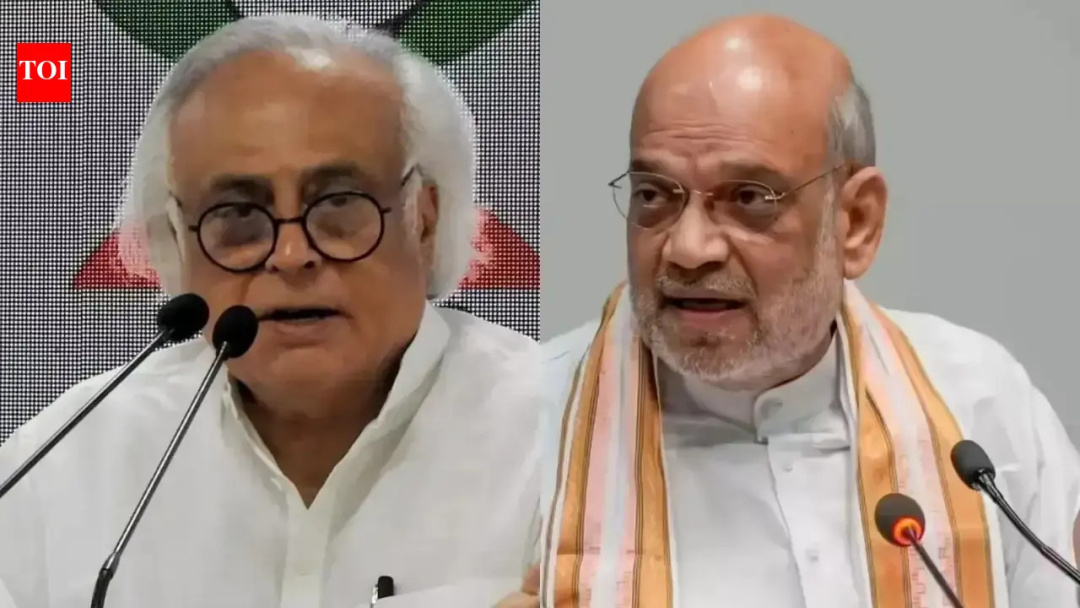
Congress leader Jairam Ramesh has publicly criticized the Indian government, particularly Union Home Minister Amit Shah, over the delay in proroguing Parliament and the lack of discussion regarding the delimitation bill. Ramesh's comments come as he alleges that the government is contemplating a special session to advance these bills without adequate transparency. He pointed out that it has been 82 days since the Monsoon Session of Parliament was adjourned, yet no action has been taken to prorogue it.
In a post on X, Ramesh challenged the government to share its proposals with the opposition and convene an all-party meeting to discuss the matter in detail. He expressed skepticism about the government's intentions, suggesting that the content of the delimitation bills remains undisclosed, while their purpose seems clear: to shield the BJP from a potential electoral setback in the 2029 elections.
Common Sense Shop
The United States of Common Sense
Amazon shopping links. Sponsor Complete!
Ramesh further highlighted the inconsistency in the government's approach to parliamentary discussions. He recalled that Shah previously rejected the opposition's demand for a debate on the Special Intensive Revision (SIR) of electoral rolls, claiming it was the prerogative of the Election Commission. However, he noted that Shah is now open to discussing allegations of vote theft in a special session, which he views as contradictory.
The Congress leader's remarks underscore a broader concern regarding the government's commitment to democratic processes and accountability. He questioned why Shah has not convened an all-party meeting to thoroughly discuss the proposed changes to delimitation, urging for more transparency in the legislative process.
Opposition Voices Demand Legislative Transparency
Ramesh's critique reflects a growing frustration among opposition parties regarding the government's handling of significant legislative matters. As the political landscape continues to evolve, the call for greater dialogue and cooperation among political factions remains a pressing issue. The implications of the delimitation bill and the government's approach to it could have lasting effects on the electoral landscape in India.
The Common Sense Test
As discussions around the delimitation bill intensify, the demand for transparency and accountability in governance becomes increasingly critical. Ramesh's challenge to the government is not merely about the bill itself but also about the broader principles of democratic engagement and the role of opposition parties in shaping policy. The reluctance to engage in open discussions raises questions about the government's commitment to inclusive governance and the need for a more collaborative approach to legislative processes.
Ultimately, the situation highlights the importance of maintaining a transparent and accountable political environment. The Congress party's push for an all-party meeting serves as a reminder that effective governance requires dialogue and cooperation among all political stakeholders. As the government navigates the complexities of the delimitation bill, it must also consider the implications of its actions on public trust and the integrity of the democratic process.