Rystad Energy Forecasts Limited Recovery of Hormuz Oil Flows
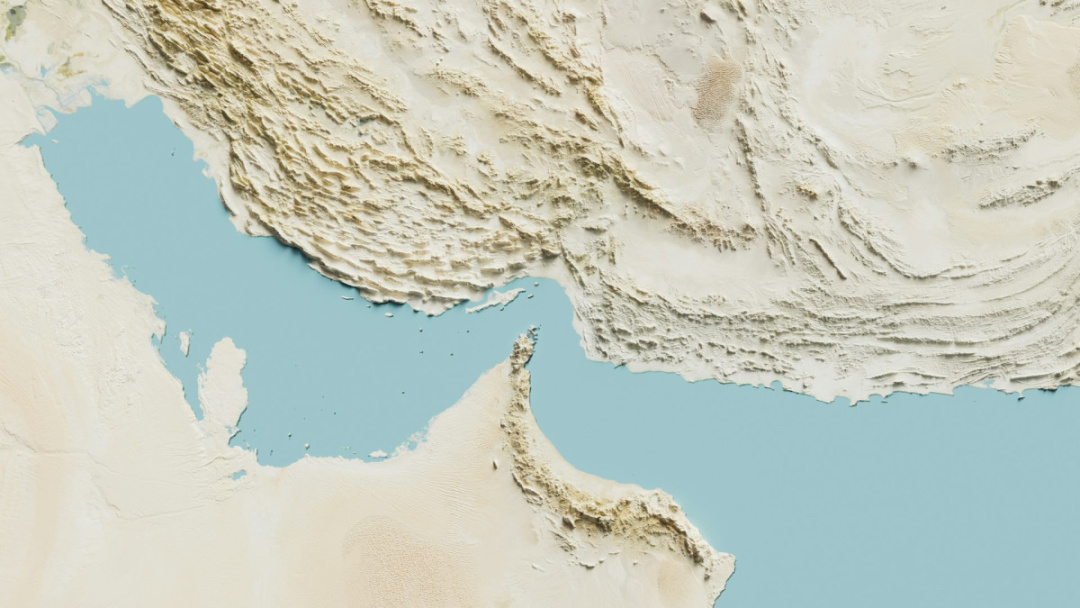
According to Rystad Energy, oil flows from the Strait of Hormuz are projected to recover gradually, yet they are unlikely to reach pre-war levels. This assessment comes amid ongoing geopolitical tensions involving the United States and Iran. The energy intelligence firm notes that while crude oil exports from Persian Gulf producers averaged nearly 12 million barrels per day (bpd) in recent weeks, this figure remains significantly below the pre-war level of approximately 18 million bpd.
Rystad's analysts, led by Jorge León, indicate that achieving a comprehensive settlement between the U.S. and Iran would necessitate addressing a range of contentious issues. These include Iran’s nuclear program, the sanctions imposed on the country, the activities of Tehran-backed armed groups in the region, and the security of maritime shipping. Additionally, the security interests of Israel must be factored into any potential agreement. The report emphasizes that it is unlikely all these points of contention can be resolved in the near term.
Common Sense Shop
The United States of Common Sense
Amazon shopping links. Sponsor Complete!
Despite the gradual recovery of oil flows from the Strait of Hormuz, the situation in the region has worsened, with an increase in attacks on tankers noted in recent weeks. This deterioration in security poses a significant challenge to the stability of oil transportation through this critical waterway. As the U.S. midterm elections approach, there is a heightened risk of renewed military escalation, which could further impact the recovery of oil flows.
On the day of the midterm elections, oil prices rebounded after a previous drop, following reports of a U.S. military strike on Iran’s Qeshm Island in the Strait of Hormuz. This incident underscores the precarious nature of the geopolitical landscape in the region and its direct implications for global oil markets.
Evaluating Future Oil Flow Stability
The dynamics surrounding oil flows through the Strait of Hormuz are critical not only for regional stability but also for global energy markets. As the situation evolves, the potential for a limited agreement between the U.S. and Iran could offer a glimmer of hope for increased oil exports. However, the fundamental differences between the two nations remain a significant barrier to achieving a lasting resolution. The international community will be closely monitoring developments as the region navigates through these complex geopolitical challenges.
The Common Sense Test
In conclusion, while the gradual recovery of oil flows from the Strait of Hormuz is a positive development, the reality is that these flows are unlikely to return to pre-war levels anytime soon. The ongoing tensions between the U.S. and Iran, coupled with the deteriorating security situation in the region, present formidable challenges that must be addressed. As stakeholders in the global oil market, it is essential to remain vigilant and prepared for the potential ramifications of these geopolitical developments on energy prices and supply stability.