U.S. Crude Oil Inventories Decline as Prices Continue to Climb
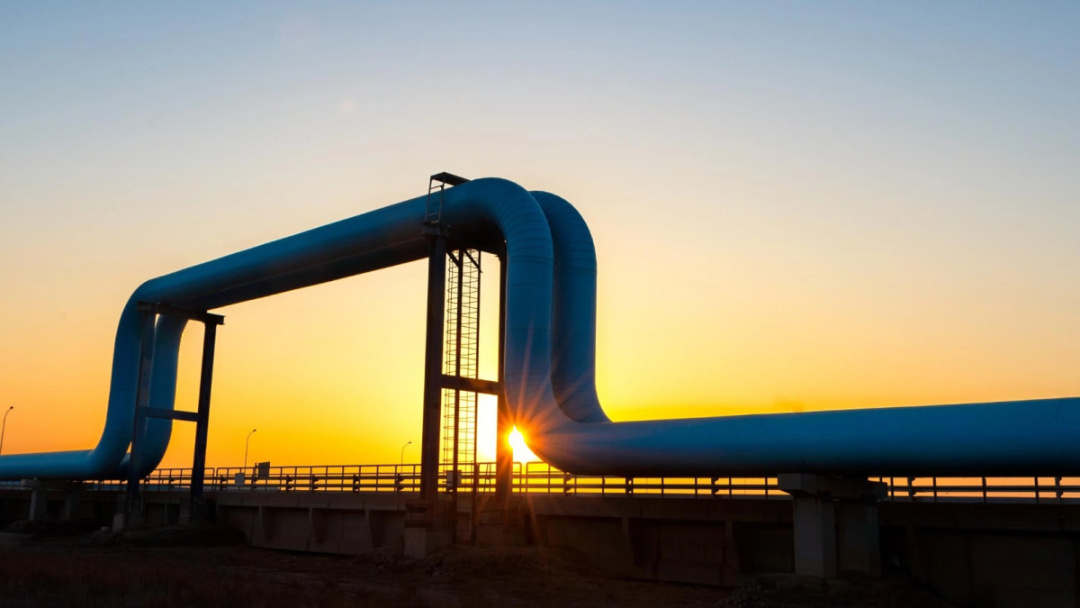
Crude oil inventories in the United States have seen a notable decrease of 1.9 million barrels during the week ending October 23, according to the latest data from the U.S. Energy Information Administration (EIA). This reduction brings total commercial stockpiles down to 410.6 million barrels, which is now 4% below the five-year average for this time of year. The decline in inventories is particularly concerning as it coincides with rising oil prices, which could have significant implications for American consumers and the economy at large.
The EIA's report follows the American Petroleum Institute's (API) figures released a day earlier, which indicated a slightly larger drop of 2.031 million barrels in crude oil inventories for the same period. This consistent trend of falling inventories may signal tightening supply conditions in the oil market, which often leads to higher prices at the pump for consumers.
Common Sense Shop
The United States of Common Sense
Amazon shopping links. Sponsor Complete!
As of Wednesday morning, crude futures were trading higher, with Brent crude reaching $115.61 per barrel, an increase of $1.73, or 1.52%, on the day. West Texas Intermediate (WTI) also saw a rise, trading up by $2.51 per barrel at $102.41, marking a nearly $5 increase since the previous week. These price increases reflect ongoing concerns about supply constraints and geopolitical tensions affecting global oil markets.
In contrast to the decline in crude oil inventories, the EIA reported an increase in total motor gasoline inventories by 3.9 million barrels, recovering from a previous dip of 3 million barrels. However, average daily gasoline production has decreased to 9.2 million barrels, indicating that while inventories may have risen, production levels are not keeping pace with demand.
Challenges in Middle Distillate Supply
For middle distillates, the situation is less favorable, with inventories decreasing by 1.5 million barrels and production dropping to an average of 5.2 million barrels daily. This has resulted in distillate inventories now standing 10% below the five-year average, raising concerns about supply for heating oil and diesel fuel as winter approaches.
Total products supplied—a proxy for U.S. oil demand—averaged 20.8 million barrels per day over the last four weeks, reflecting a 0.2% increase compared to the same period last year. Gasoline demand specifically averaged 8.6 million barrels per day, while the four-week average for distillates showed a decline of 0.6% year over year, indicating a potential shift in consumer behavior or economic activity.
The Common Sense Test
As the U.S. navigates these fluctuating inventory levels and rising prices, the implications for energy policy and consumer costs are significant. The current trends suggest that Americans may face continued pressure at the gas pump, which could influence public sentiment on energy policy and government regulation of the oil industry. With the midterm elections approaching, how candidates address these energy issues could play a pivotal role in shaping their campaigns and the future of U.S. energy independence.
Ultimately, the ongoing decline in crude oil inventories juxtaposed with rising prices underscores the need for a reevaluation of U.S. energy strategies. As consumers feel the pinch of higher fuel costs, it becomes increasingly important for policymakers to consider how regulations and energy independence initiatives can stabilize supply and protect American families from volatile market conditions. The question remains: will the government take decisive action to address these challenges, or will Americans continue to bear the brunt of rising energy prices?