Minnesota Voters Honor Victims of ICE Operations with Memorial Stickers
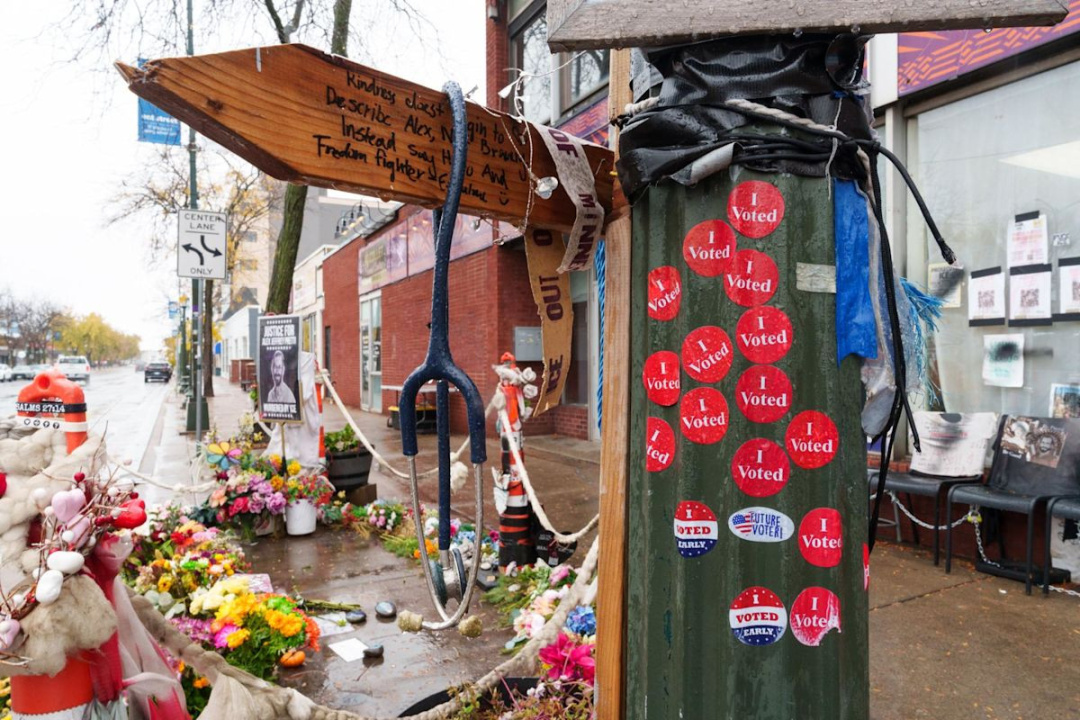
Minnesota voters have taken a poignant stand by leaving 'I Voted' stickers at memorial sites for Alex Pretti and Renee Nicole Good, two U.S. citizens who lost their lives during a federal immigration enforcement operation earlier this year. This act of remembrance coincides with the deployment of community organizers, dubbed 'democracy guardians,' who are monitoring polling sites to ensure voter safety and deter federal intervention.
Pretti, a 37-year-old intensive care unit nurse at the Veterans Affairs medical center in Minneapolis, and Good, a writer and mother of three, were tragically killed in January during a large-scale immigration enforcement operation known as Operation Metro Surge. This operation was part of the Trump administration's aggressive immigration policies, which have become a focal point in the current electoral cycle.
Retired physician Arne, who worked alongside Pretti, expressed his grief, stating, "I just knew that he was a competent nurse – a really, really liked guy. And he was assassinated." His emotional tribute highlights the personal impact of federal immigration enforcement on local communities. Another voter, identified only as Mike F, echoed this sentiment, stating, "I felt like my vote felt a little bit more in touch with some of the things that happened earlier this year in the city."
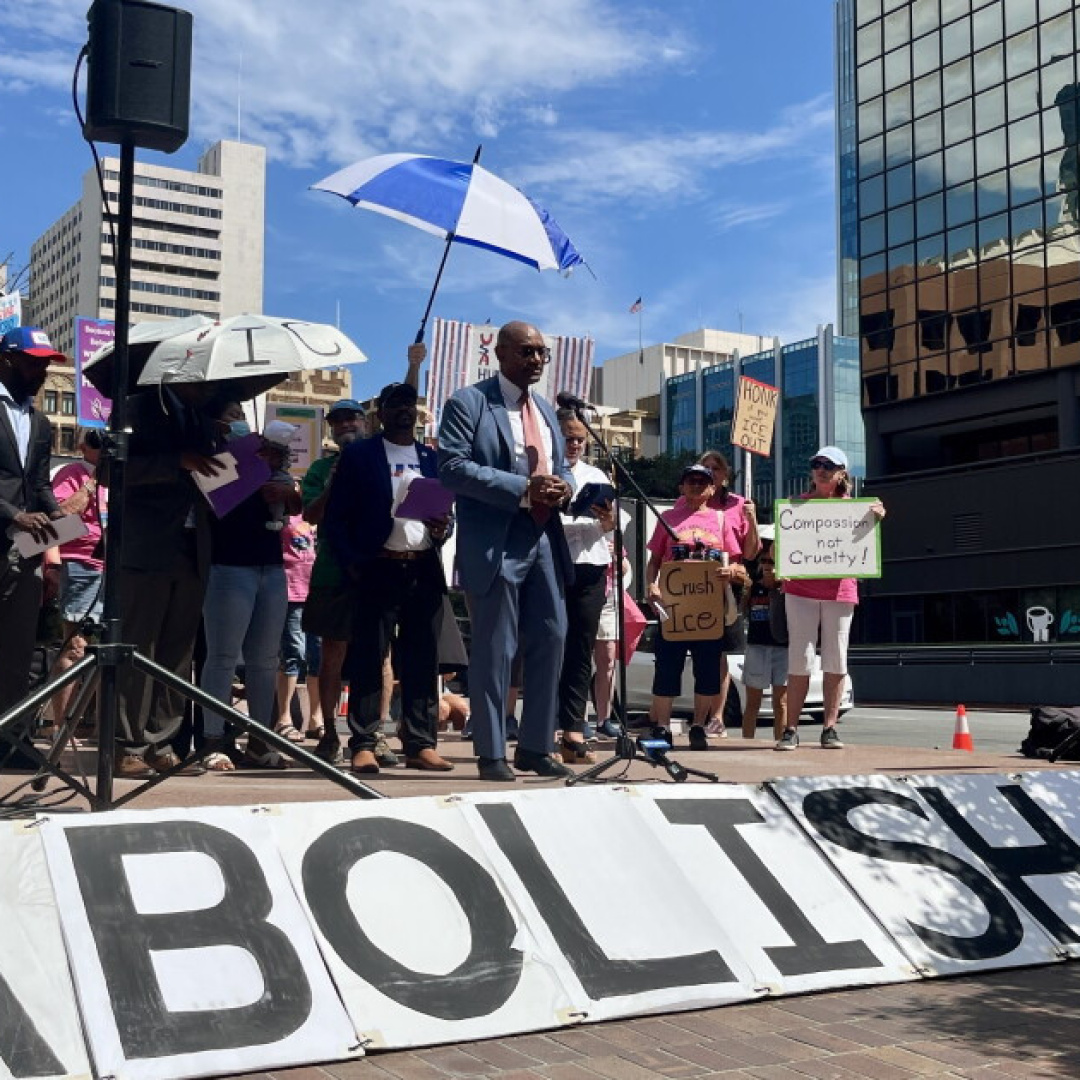
As Minnesota voters head to the polls to elect a senator, governor, and House candidates, the memory of Pretti and Good looms large. Community groups, which formed in response to the aggressive immigration tactics of the Trump administration, have shifted their focus from rapid response to electoral engagement. Groundwork Action, one of the leading organizations, has trained over 1,000 volunteers to act as 'democracy guardians' at polling sites across the state.
Wintana Melekin, the executive director of Groundwork, emphasized the importance of ensuring that all citizens, particularly those from marginalized communities, have the opportunity to vote without fear. "One thing we saw with Metro Surge is that if you had Black skin, you were a target of the federal government," she noted, underscoring the racial dynamics at play in these enforcement actions.
The Trump administration's announcement of federal election monitors coincided with fears of ICE presence at polling sites, raising alarms among community organizers. While the Justice Department later clarified that neither the FBI nor ICE would serve as poll monitors, the anxiety surrounding federal oversight remains palpable.
Personal Stories Fueling Activism
Melekin's personal connection to the issue is evident; she organized rapid response teams to counter ICE actions after her cousin was arrested. The tragic deaths of Pretti and Good galvanized protests nationwide against the administration's immigration policies, which many see as overreach.
As the midterm elections unfold, they are viewed as a referendum on the Trump administration's immigration enforcement strategies. The community's response to these policies, including the memorialization of victims like Pretti and Good, illustrates a broader struggle for justice and representation in the face of federal authority.
The grassroots activism in Minnesota is a testament to the resilience of communities facing federal immigration enforcement. Organizers have not only memorialized the victims but have also mobilized voters to ensure their voices are heard in the electoral process. This dual approach of honoring the deceased while actively participating in democracy reflects a deep commitment to community solidarity and the fight for justice.
The Common Sense Test
As the day of voting approached, polling sites remained relatively calm, attributed in part to the strong push for early voting. Organizers remained vigilant, prepared to respond to any disturbances, and underscored the importance of community support in the face of potential federal interference. The commitment to safeguard the voting process is a critical aspect of ensuring that all citizens can exercise their rights freely and fairly.
In conclusion, the actions taken by Minnesota voters serve as a powerful reminder of the human cost of immigration enforcement policies. The memorials for Pretti and Good symbolize not just individual tragedies but also the broader implications of federal actions on community cohesion and electoral participation. As the nation watches, the outcome of these elections will likely reflect the electorate's stance on the controversial immigration policies that have sparked such deep emotional responses and community activism.