U.S. Conducts Secret Strikes on Iran's Qeshm Island Before Midterms
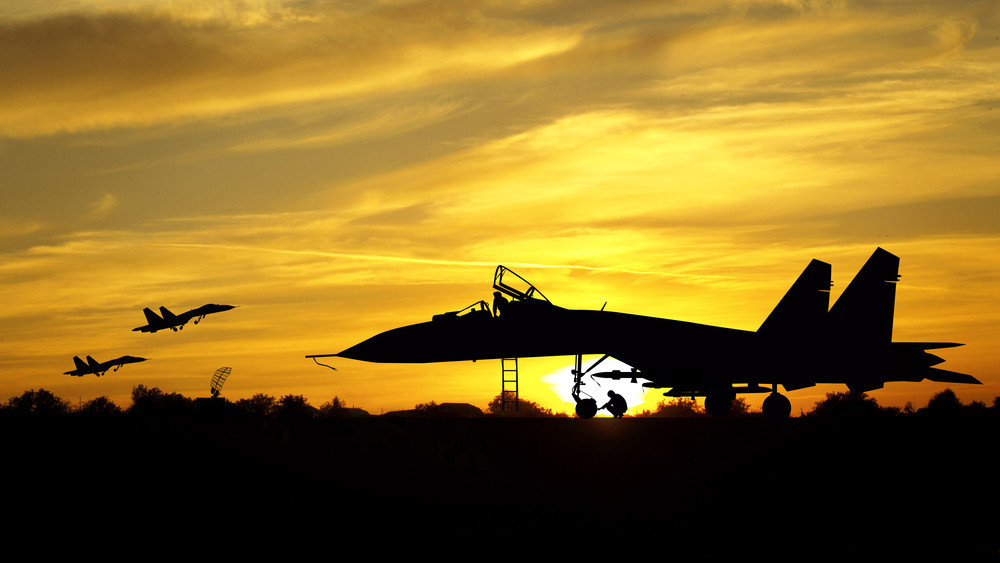
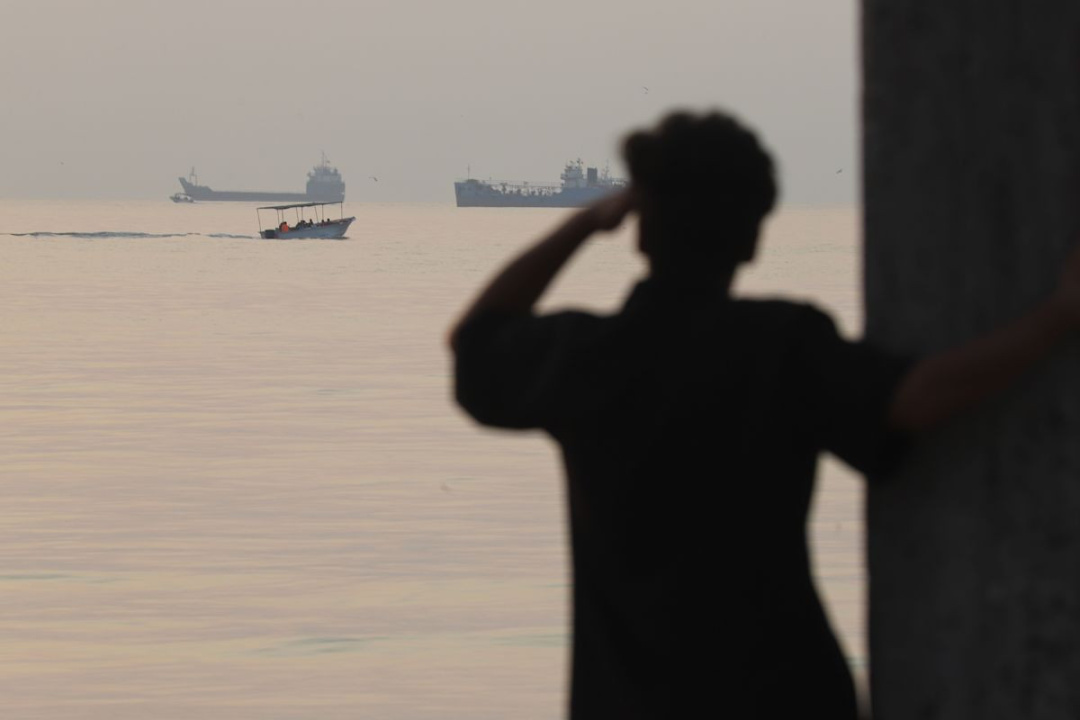
On November 2, the United States executed military strikes on Iran's Qeshm Island, a strategic location critical to the security of the Strait of Hormuz. This operation was confirmed by U.S. officials, marking it as part of a series of previously undisclosed military actions aimed at Iran, even as President Donald Trump has publicly minimized the prospect of large-scale military engagement. The timing of these strikes, just hours before the November 3 midterm elections, raises questions about the administration's strategy and messaging.
In the lead-up to the elections, Trump had suggested that a significant military campaign against Tehran could be on the table post-vote. However, he later dismissed the idea of immediate strikes, hinting instead at a potential diplomatic breakthrough. This juxtaposition between public statements and ongoing military operations highlights a disconnect that could influence voter perceptions.
Common Sense Shop
The United States of Common Sense
Amazon shopping links. Sponsor Complete!
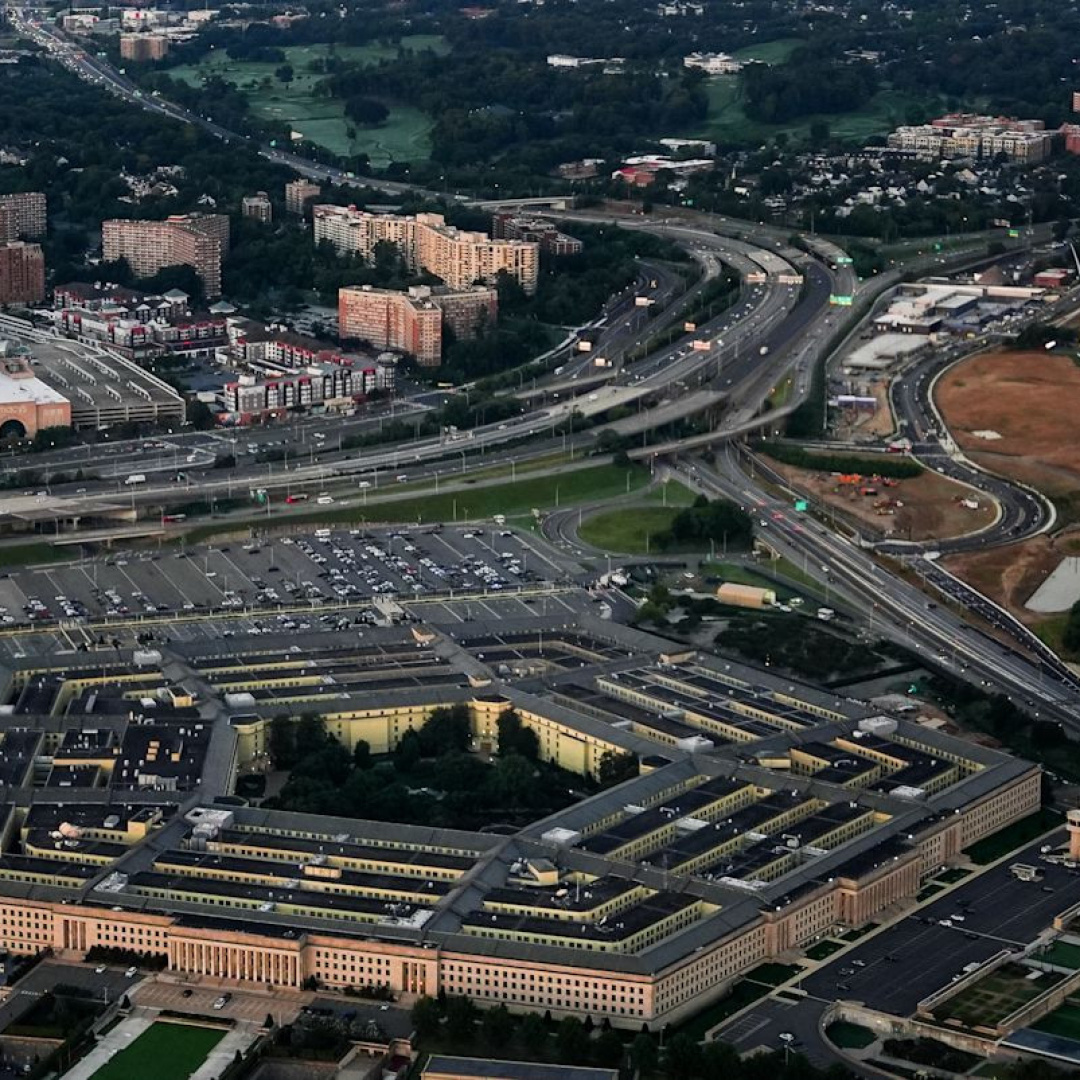
The strikes on Qeshm Island are reportedly part of a broader strategy to degrade Iran's capabilities to threaten commercial shipping in the Strait of Hormuz, a vital maritime route for global energy supplies. U.S. officials have characterized these operations as defensive, aimed at protecting American assets in the region following Iranian threats against U.S. aircraft. The Pentagon has not commented directly on the strikes, deferring inquiries to U.S. Central Command.
Iranian state media confirmed explosions on Qeshm Island, which is known to house a significant underground missile facility and naval base. Jason Brodsky, policy director at United Against Nuclear Iran, noted that these strikes are designed to limit Iran's ability to disrupt maritime traffic, aligning with U.S. national security interests.
Navigating Military Action and Diplomacy
Despite the military actions, the diplomatic landscape remains fraught. Both Trump and Vice President JD Vance have hinted at progress in negotiations regarding Iran's nuclear program, while Iranian officials assert that the U.S. must take the lead in any potential agreement. This complex interplay of military action and diplomatic overtures underscores the precarious balance the U.S. seeks to maintain in its dealings with Tehran.
As the situation evolves, analysts suggest that while the strikes are provocative, they may not significantly alter Iran's strategic calculations. Brett Erickson, a Middle East analyst, remarked that Iran has historically shown restraint in response to similar U.S. military actions. The ongoing military presence and operations in the region signal a commitment to contesting Iranian influence without escalating to full-scale conflict.
The Common Sense Test
The recent strikes reflect a calculated approach by the U.S. to assert its military presence while avoiding overt escalation. Reports indicate that U.S. Central Command has been briefing the White House on the conflict, with options for further military engagement still under consideration. This includes potential air strikes and enhanced sanctions against Iran, which could further complicate the already tense relationship between the two nations.
As the midterm elections approach, the implications of these military actions will likely resonate with voters concerned about national security and foreign policy. The Trump administration's handling of Iran remains a contentious issue, with many conservatives advocating for a strong stance against Tehran's aggressive posturing. The question remains: will these covert actions lead to a more stable situation in the region, or will they provoke further retaliation from Iran? The stakes are high as both nations navigate this delicate geopolitical landscape.