Trump Diverts Attention from GOP Losses to White House Ballroom Tour
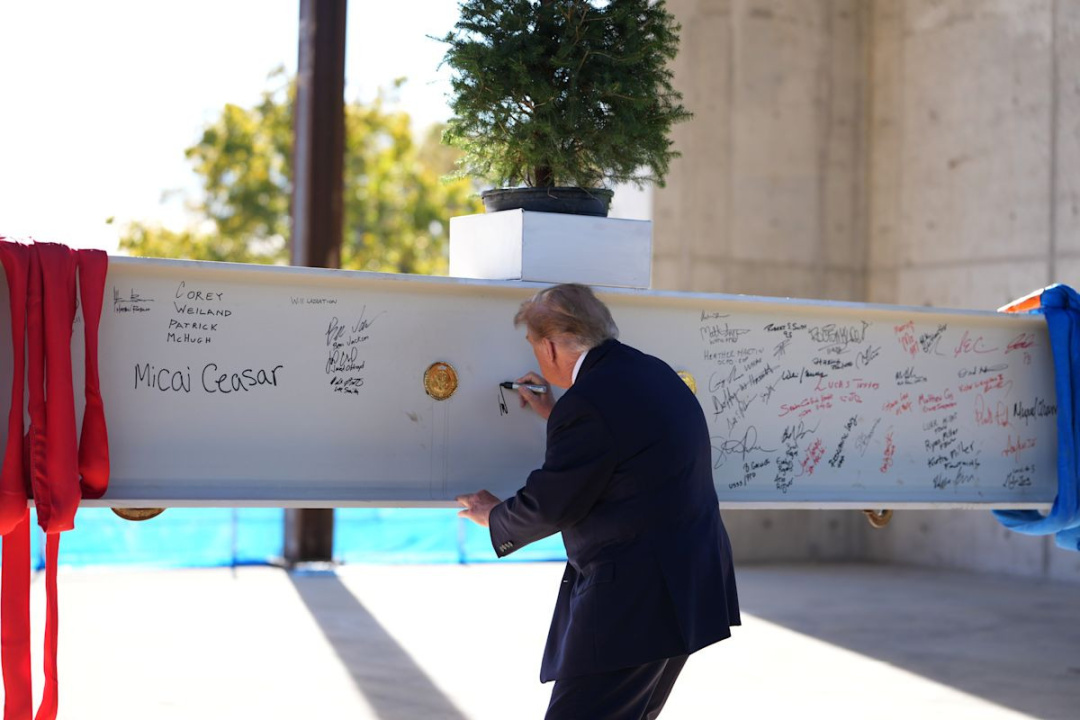
President Donald Trump made headlines Wednesday by showcasing the construction of a new White House ballroom instead of addressing the Republican Party's significant midterm election losses. This unusual focus on a building project has drawn criticism, as many voters have cited his detachment from pressing issues as a key reason for punishing the GOP at the polls.
During a nearly 20-minute tour, Trump invited reporters to the expansive construction site, which he had cleared by demolishing part of the East Wing. He spoke enthusiastically about the ballroom's design, declaring it would be the "safest place in Washington" and featuring a unique marble cut that he claimed had been sought after for decades. As he detailed the construction, he neglected to mention the Republican losses in crucial states like Texas and South Carolina, where voters expressed concerns over rising living costs and federal corruption.
Common Sense Shop
The United States of Common Sense
Amazon shopping links. Sponsor Complete!
Typically, presidents address their party's election setbacks shortly after the results are in, taking at least some responsibility. However, Trump began his day with private meetings and only invited the press at the last minute to witness the hoisting of the final steel beam, which he signed with the word "Love!" followed by his name. This spectacle further alienated voters who felt he was not prioritizing the issues that mattered to them.
Polling data indicates that two-thirds of voters believe Trump lacks the right priorities, with many supporting Democratic candidates as a result. His decision to focus on the ballroom rather than the election outcome may reinforce doubts about his suitability for the presidency, particularly as he approaches a potential reelection campaign.
Trump's Deflection of Accountability
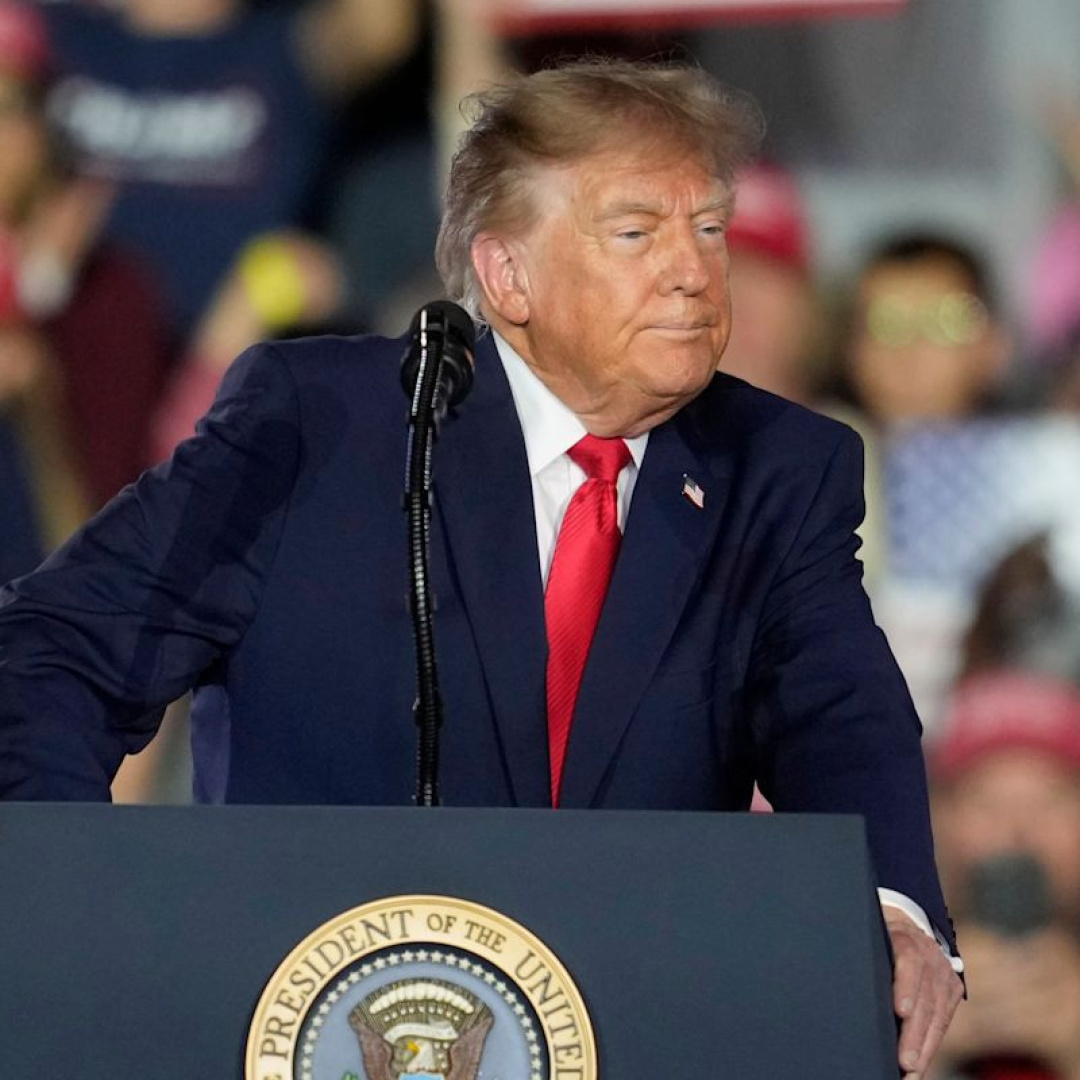
When pressed about the GOP's poor performance, Trump attempted to deflect responsibility, insisting that he did not lead the party into defeat. He claimed that if he had been on the ballot, he would have won, asserting that while his rallies drew enthusiastic crowds, they did not translate into votes for Republican candidates. This narrative seems to ignore the growing sentiment among voters that his presence was a liability in many races.
Trump's previous comments about the upcoming elections suggested he was aware of the potential backlash against the GOP, having stated that voters were angry at the party but not at him. This pattern of deflection is not new; after the 2018 midterms, he similarly blamed individual candidates for their losses rather than taking a hard look at his own influence on the party.
The Common Sense Test
His remarks stand in stark contrast to how past presidents have addressed election defeats. For instance, Barack Obama openly acknowledged his party's losses in 2010 as a "shellacking," while George W. Bush described Democratic victories in 2006 as a "thumping." Trump, however, has consistently sought to distance himself from any negative outcomes, suggesting that candidates lost due to their failure to embrace his leadership.
As the GOP grapples with the implications of these midterm losses, Trump's focus on the ballroom construction raises questions about his priorities and whether he can effectively lead the party moving forward. His tendency to shift blame and avoid accountability may further alienate voters who are looking for genuine leadership in addressing the challenges facing the nation.