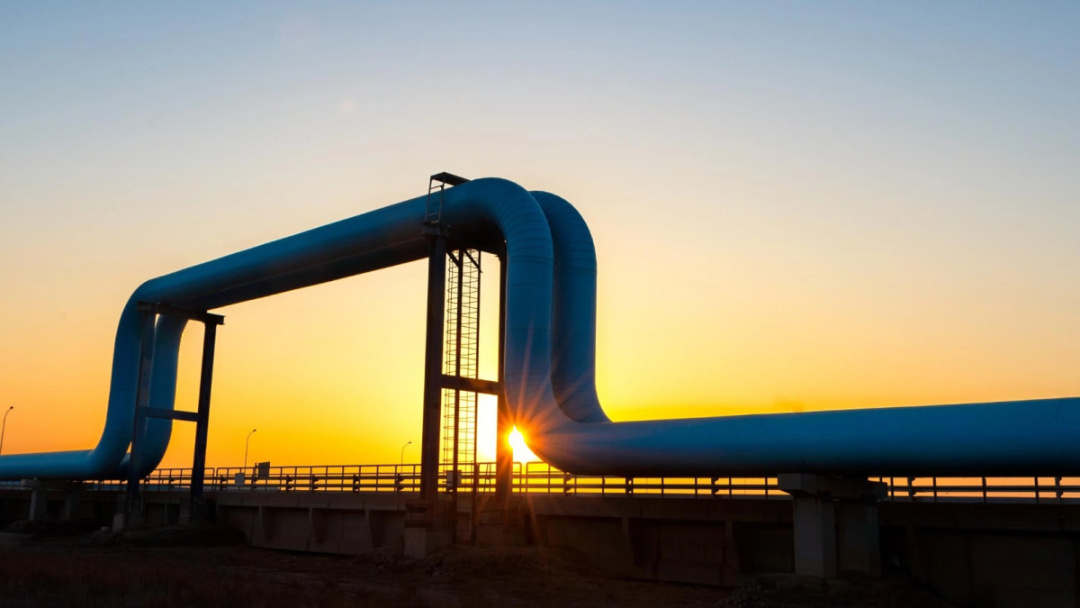
U.S. Crude Oil Inventories Decline as Demand Rises

U.S. crude oil inventories have seen a notable decline, dropping by 900,000 barrels, as reported by OilPrice.com. This decrease occurs alongside a 4.2% increase in petroleum demand compared to the same period last year. Such a trend highlights a tightening supply situation in the U.S. oil market, which may influence West Texas Intermediate (WTI) crude oil prices. The recent fall in crude inventories is part of a broader pattern of declining stocks observed over the past month, as the market adjusts to rising energy demands.
The implications of these developments are significant for various stakeholders, including OPEC and U.S. policymakers. Market participants are expected to closely monitor forthcoming data releases from the U.S. Energy Information Administration, which will provide further insights into inventory changes. Additionally, OPEC's upcoming meetings and any announcements regarding production levels will serve as critical indicators for future market movements.
Common Sense Shop
The United States of Common Sense
Amazon shopping links. Sponsor Complete!
Geopolitical developments, particularly in the Middle East, are also likely to play a role in influencing crude supply and demand dynamics. As tensions rise and energy needs fluctuate, the market's response will be crucial in determining pricing scenarios. The interplay between domestic inventory levels and international supply factors underscores the complexity of the current energy landscape.
In light of these shifts, it is essential for energy policymakers to consider the potential consequences of changing market conditions. The ongoing discussions surrounding energy supply and pricing will undoubtedly shape future strategies and regulatory decisions. As the situation evolves, stakeholders must remain vigilant and prepared to adapt to new challenges in the energy sector.
The Common Sense Test
Ultimately, the recent trends in U.S. crude oil inventories and demand present a clear challenge for both policymakers and market participants. The decrease in inventories, coupled with rising demand, suggests that a proactive approach may be necessary to ensure energy stability and affordability for consumers. As the market continues to respond to these developments, the need for sound energy policies that prioritize American interests and economic growth becomes increasingly apparent. The question remains: how will policymakers address these challenges to maintain a balance between supply, demand, and pricing in the ever-evolving energy landscape?