Senate Democrats Block Stock Trading Ban Amid Voter Concerns
In a recent and contentious vote, Senate Democrats turned down the Stop Insider Trading Act, a piece of legislation that would have prohibited members of Congress, along with their spouses and dependent children, from trading stocks while in office. This rejection follows a growing public outcry regarding political corruption, which has emerged as a leading concern among voters. A recent CNBC poll revealed that 36% of voters consider corruption the most pressing issue facing the nation, even more critical than the rising costs of groceries and gas.
The failure to enact a ban on insider trading in Congress is emblematic of a deeper malaise within the political system, often referred to as the swamp. Voters are increasingly frustrated that those who craft the laws that govern the economy are also profiting from the very industries they regulate. The poll underscores this sentiment, with 93% of respondents asserting that Congress members and the president should not trade stocks in companies that hold federal contracts. Furthermore, 89% believe that companies owned by a sitting president's immediate family should be barred from receiving federal contracts altogether.
Common Sense Shop
The United States of Common Sense
Amazon shopping links. Sponsor Complete!
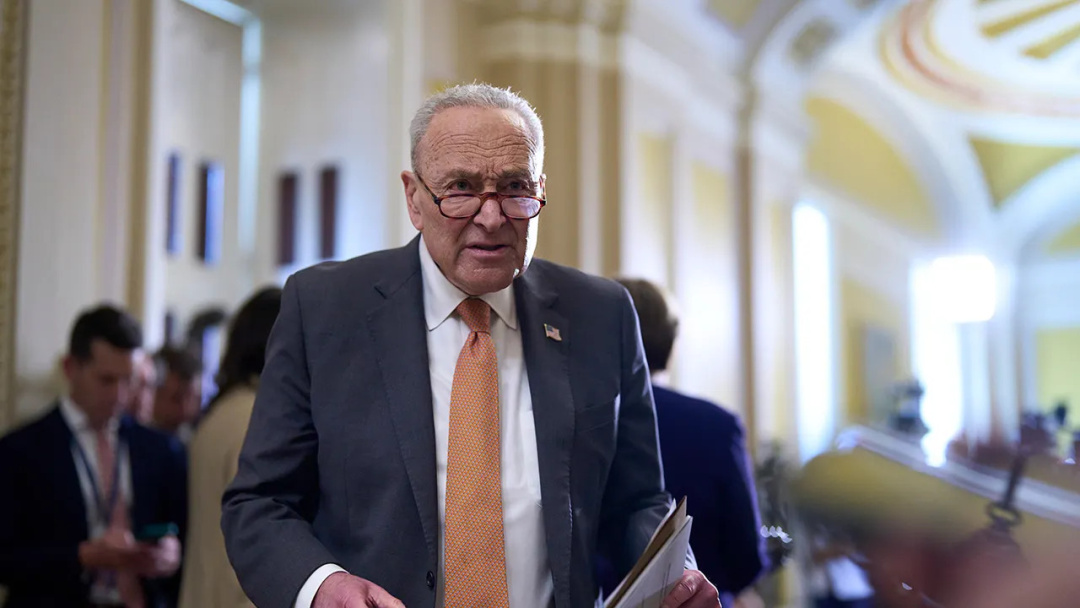
Despite the apparent public consensus, Senate Democrats unanimously voted against the bill. Senate Minority Leader Chuck Schumer argued that Republicans had intentionally set the legislation up to fail by attaching provisions he labeled as 'poison pills,' including a requirement for voter identification at the polls. This voter ID requirement, however, is widely supported by the public and is a standard in many other developed nations.
Schumer's objections raise questions about the sincerity of the Democrats' commitment to tackling insider trading. One cannot help but wonder why a partial reform is rejected when it could at least serve as a step in the right direction. After all, Democrats have controlled the Senate for years and have yet to deliver a comprehensive ban on insider trading, despite their current claims of wanting such legislation.
The recent Senate vote also brings renewed scrutiny to former House Speaker Nancy Pelosi, who has faced allegations of insider trading. In July 2024, her household sold 2,000 shares of Visa, valued between $500,000 and $1 million, just months before the Biden Justice Department filed an antitrust lawsuit against the company, leading to a significant drop in its stock price. This incident raises ethical questions about the timing of stock trades made by lawmakers and their families.
Ethics in Lawmaker Stock Trading
Pelosi's stock trading history has often attracted attention, particularly her husband's transactions, which have raised eyebrows among observers. For instance, in 2022, he purchased over $1 million in Nvidia call options shortly before Congress voted on substantial subsidies for the chip industry, subsequently selling them once the news broke.
The implications of these actions are clear: voters expect their elected officials to adhere to ethical standards that prevent conflicts of interest. When Republicans proposed a bill aimed at curbing insider trading, Senate Democrats' rejection of it sends a troubling message about their priorities.
The Common Sense Test
As Congress prepares to reconvene after the midterm elections, there remains an opportunity to revisit the Stop Insider Trading Act. If Senate Democrats are serious about addressing the concerns of their constituents, they should reconsider their stance and work towards enacting meaningful reforms that restore public trust in government.
The American people are not asking for much; they simply want their lawmakers to stop profiting from the very rules they create. The rejection of the stock trading ban by Senate Democrats highlights a disconnect between political leaders and the constituents they serve. As the midterm elections approach, the pressure is on for Democrats to align their actions with the will of the voters, particularly on issues of transparency and accountability. The question remains: will they rise to the occasion, or will they continue to prioritize partisan politics over the public interest?