Global Reactions to Democrats' Midterm Sweep and Trump's Political Fallout
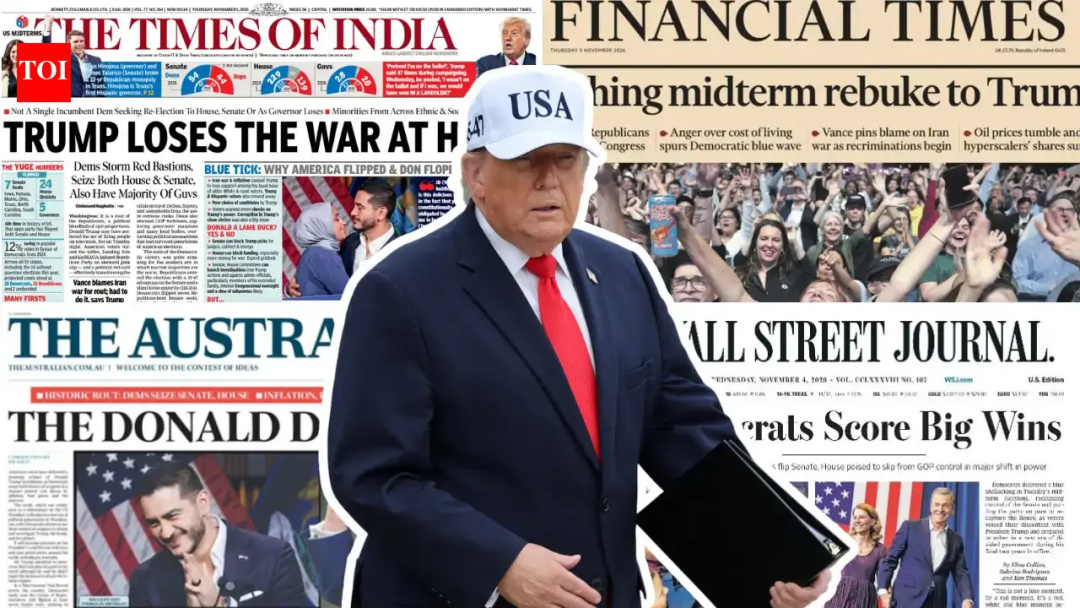
The recent U.S. midterm elections have delivered a stunning defeat for President Donald Trump and the Republican Party, as Democrats swept to power in both chambers of Congress. This political shift not only disrupts Trump's legislative agenda but also raises critical questions about the future of the MAGA movement and the road to the 2028 Presidential elections. The election results have been characterized by global media outlets using phrases like "Blue Tsunami" and "Dem-olition" to describe the scale of the Republican rout.
Internationally, reactions have varied, with many outlets focusing on the implications of this electoral shift. The Times of India noted that Democrats stormed traditionally Republican strongholds, seizing control of Congress and winning a majority of governorships. This shift is seen as a direct repudiation of Trump's policies and leadership style, particularly his handling of the Iran war and economic issues.
Common Sense Shop
The United States of Common Sense
Amazon shopping links. Sponsor Complete!
The Economic Times highlighted how Trump's tariff policies and confrontational approach have backfired, contributing to the Democratic sweep. They examined the potential repercussions for global markets and India's economic interests, emphasizing the interconnectedness of U.S. politics and international economic stability.
Meanwhile, the South China Morning Post captured the celebratory mood among Democratic supporters, framing the election as a disastrous night for Trump. Their coverage pointed to the need for global leaders to reassess their strategies in light of the new political landscape in Washington.
In the U.K., the Financial Times described the election results as a "crushing electoral rebuke" to Trump, attributing the Democratic wave to the cost-of-living crisis that has plagued many Americans. The paper reported on the blame game beginning within the Republican Party, with figures like JD Vance citing the Iran war and economic factors as key contributors to the electoral losses.
As various outlets reported, the Democratic victories included historic milestones, such as the election of the first Muslim senator and the first openly gay man to the Senate. This reflects a broader trend of increasing diversity within American politics, which many see as a positive development.
The Implications for Trump's Future
The implications of these election results for President Trump are significant. With both chambers of Congress now under Democratic control, the ability to advance his agenda is severely hampered. Trump's response to the defeat has been to blame external factors, particularly the ongoing conflict with Iran, reflecting a reluctance to take full responsibility for the electoral outcome.
As the Republican Party grapples with this defeat, questions arise about its future direction. The party must confront the reality of its electoral losses and the growing dissent within its ranks. Figures like JD Vance and even Trump Jr. have begun to publicly criticize Trump's leadership, suggesting a fracture in the once-unified MAGA movement.
The midterm elections serve as a pivotal moment for American politics, signaling a potential shift in voter sentiment and a call for the Republican Party to reassess its strategies moving forward. With the 2028 Presidential elections on the horizon, how the GOP navigates this political landscape will be crucial in determining its future viability.
The Common Sense Test
As we reflect on the outcomes of the midterm elections, it is essential to consider the broader implications for American democracy and governance. The electoral shift underscores the need for accountability and responsiveness from elected officials, particularly within the Republican Party. Moving forward, the party must address the concerns of its base while also appealing to a broader electorate that may be seeking change. The results of this election are not just a momentary setback for Trump; they represent a significant turning point in American politics that could redefine the landscape for years to come.