Asian Nations Pin Hopes on U.S. Midterms to Alleviate Energy Crisis
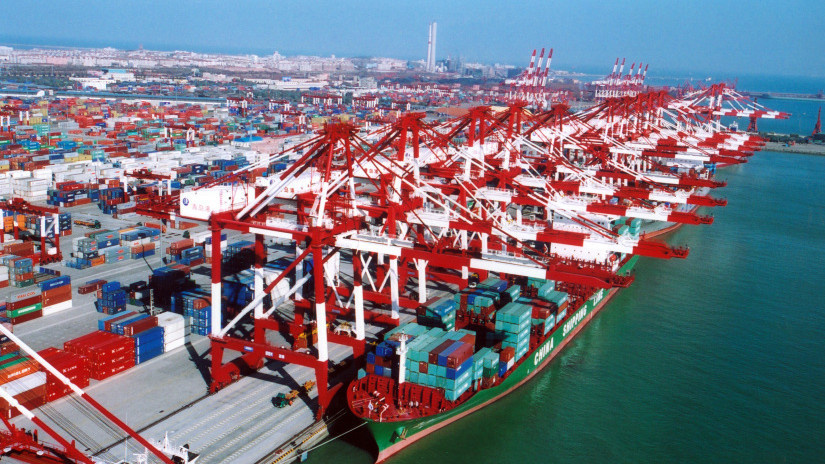
Asian nations, heavily dependent on oil and gas imports for their energy security, are looking to the results of the recent U.S. midterm elections with optimism. They hope that the newly elected Democratic majority in Congress will lead to a shift in U.S. foreign policy, particularly concerning the ongoing conflict in the Middle East, which has severely impacted fuel availability and prices. The expectation is that a change in approach could potentially alleviate the energy crisis these countries are currently facing.
However, such hopes may be premature. With President Trump still in office and the Democrats not particularly favorable towards Iran, the likelihood of a swift resolution to the tensions in the region remains uncertain. The conflict, which escalated following U.S. and Israeli actions against Iran, has significantly disrupted oil supplies to Asia, forcing countries to seek alternative sources at inflated prices. This situation has led to rising inflation and increased government spending as nations attempt to shield their economies from the fallout.
Common Sense Shop
The United States of Common Sense
Amazon shopping links. Sponsor Complete!
Last month, the World Bank issued a stark warning that many Asian countries were running out of financial resources due to the energy crisis. It noted that subsidies have become the most common policy response among emerging and developing economies. While countries with substantial subsidies have managed to keep retail gasoline prices relatively stable, the overall inflationary pressures have not been mitigated, indicating a deeper economic malaise.
As the Democrats secure a majority in both the House and Senate, there are expectations that they will use their congressional power to influence President Trump's policies, including those related to foreign affairs. Analysts suggest that they might redirect or cut government spending or initiate investigations into Trump and his associates. However, whether these actions will lead to lower diesel prices in Asia remains questionable. Some experts predict that the Democrats may prioritize funding for Ukraine over resolving issues with Iran, which would not necessarily reduce oil prices but could instead escalate conflicts elsewhere.
Asian Economies Brace for Continued Energy Strain
Given the current political landscape, Asian economies are unlikely to see immediate relief from high fuel prices, despite the Democrats winning 240 seats in the House compared to 147 for the Republicans, and 54 Senate seats versus 44 for the Republicans. The expectation that a Democratic majority will lead to significant changes in U.S. energy policy may be overly optimistic. In fact, the pain at the pump is likely to persist as geopolitical tensions continue to shape energy markets.
The Common Sense Test
Following the midterm elections, oil prices dipped below $100, suggesting that traders are anticipating a possible resolution to hostilities orchestrated by the newly empowered Democratic majority. Yet, geopolitical analysts warn that Trump may respond to his electoral setbacks with an escalation against Iran, further complicating the situation for Asian economies.
As Asia was once viewed as the engine of global economic growth, the ongoing war has led to significant revisions in growth forecasts, with recession fears looming large. Thus, while the hopes for a change in U.S. policies are understandable, they may ultimately be misplaced, leaving Asian nations to grapple with the consequences of a prolonged energy crisis.