Supreme Court's Future in Question Following Democratic Senate Victory
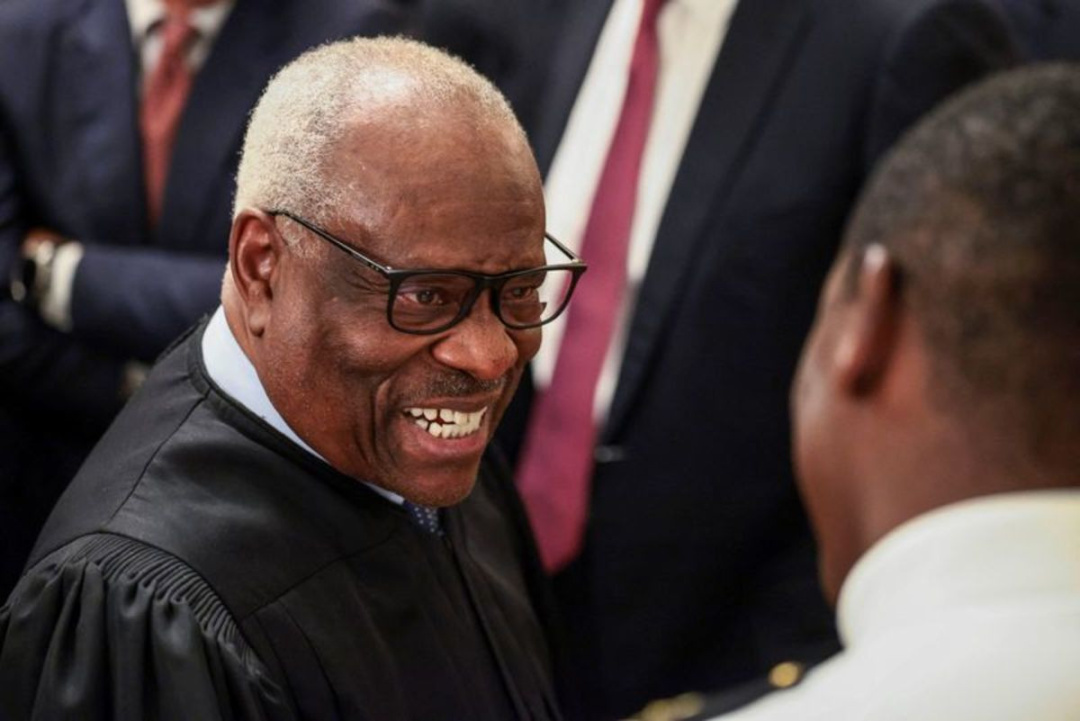
The recent midterm elections have resulted in a significant shift in power, with Democrats gaining control of Congress starting in January. This change has ignited discussions about the future of the Supreme Court, particularly concerning its two oldest justices, Clarence Thomas and Samuel Alito, and the stability of its conservative majority. As Republicans prepare to relinquish control of the Senate, conservative commentators are voicing concerns about the health and longevity of Thomas, 78, and Alito, 76, emphasizing the importance of their continued service on the nation’s highest court.
The U.S. Constitution grants the Senate the authority to confirm judicial nominations made by the President. With a Democratic majority in the Senate, any nominations from Republican President Donald Trump to fill potential Supreme Court vacancies could be effectively blocked. This mirrors the situation in 2016 when Republicans prevented Democratic President Barack Obama from filling a Supreme Court vacancy.
Common Sense Shop
The United States of Common Sense
Amazon shopping links. Sponsor Complete!
Despite the heightened speculation, both justices have not indicated any intentions to retire. Alito recently affirmed his commitment to serve through the current term, which began in October, regardless of the Senate's political makeup. Meanwhile, Thomas has not publicly addressed retirement plans. The current conservative majority, which includes three justices appointed by Trump, has taken a firm stance on various issues, including abortion rights, gun control, and executive powers.
Alito's recent remarks about remaining in his position have fueled speculation that he might consider retirement if Democrats gained control of the Senate, allowing Trump a chance to appoint a successor while Republicans still held a majority. However, the timeline and legislative priorities during the lame-duck session may complicate any immediate retirement decisions.
Legal analysts suggest that the idea of imminent retirements from Thomas or Alito is unlikely. According to Cornell Law School professor Michael Dorf, justices typically do not announce their retirement plans based on political considerations, especially without an urgent health crisis. He noted that such a decision would appear overtly political and could be avoided by both justices.
Challenges Ahead for Republican Appointments
Florida Governor Ron DeSantis, a notable Republican figure, expressed skepticism about the possibility of confirming a suitable successor for either justice during Trump's presidency, citing the zero chance of such an event occurring. The newly established Democratic majority in the Senate could pose challenges for Republicans in future elections, potentially limiting their ability to regain control of the chamber and influence future judicial appointments.
Analysts warn that if Republicans do not reclaim the Senate by 2028, they may face a prolonged period without the ability to confirm judicial appointments. Legal analyst Ed Whelan highlighted that if a Republican president were elected in 2028, they would not be able to appoint justices until the Senate returned to Republican control, which could take years.
Both Thomas and Alito currently have no publicly known serious health concerns, though they have faced minor health issues in the past. The history of justices passing away in office adds another layer of urgency to the discussion about their potential retirements. The court's conservative majority, which has been solidified in recent years, could face significant changes if either justice decides to step down.
The Common Sense Test
As the Democratic majority takes shape in Congress, the implications for the Supreme Court and its conservative majority become increasingly pronounced. The potential for a shift in judicial philosophy hinges on the decisions of Thomas and Alito, whose retirements could open the door for a more liberal court. The stakes are high, and the political landscape will play a crucial role in shaping the future of the judiciary in the coming years. The decisions made by these justices in the near future will not only affect the court but also the broader implications for American law and governance.
In conclusion, the future of the Supreme Court rests on the shoulders of Justices Thomas and Alito, whose decisions regarding retirement could reshape the judicial landscape for generations. The interplay of health, politics, and timing will be critical as the nation navigates this pivotal moment in its judicial history. The conservative majority has had a profound impact on American law, and any changes to its composition will undoubtedly reverberate through the fabric of the nation’s legal framework.