European Gas Prices Drop Amid Uncertainty Over U.S. Policy on Iran
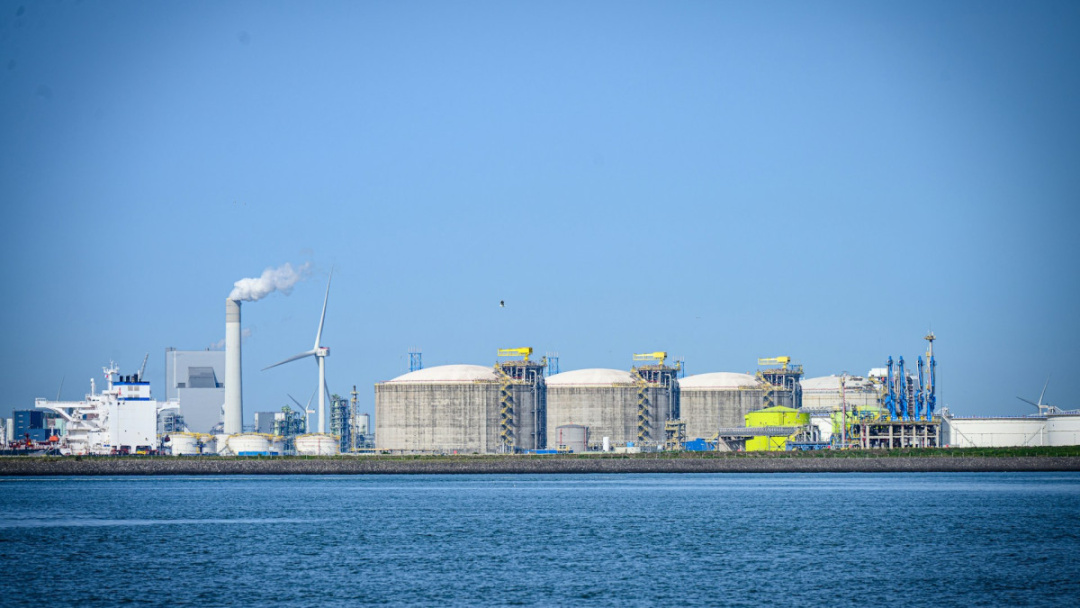
European benchmark natural gas prices experienced a 2% decline early Wednesday as traders brace for the implications of U.S. President Donald Trump's recent loss of Republican control in both chambers of Congress during the midterm elections. As of 9 a.m. in Amsterdam, the front-month price at the Dutch Title Transfer Facility (TTF), the benchmark for Europe’s gas trading, dropped to 89.59 euros ($100.85) per megawatt-hour (MWh), reversing earlier gains of approximately 1%. This market reaction reflects anxieties surrounding Trump’s next moves regarding Iran.
The European gas market, along with global oil markets, is on high alert as speculation rises about whether the U.S. will escalate military actions against Iran or pursue diplomatic avenues. The recent decline in prices comes after a four-year high of over 101.82 euros ($114) per MWh at the end of last week, a peak not seen since the previous gas crisis triggered by Russia's invasion of Ukraine, which led to significant disruptions in gas supplies to Europe.
Common Sense Shop
The United States of Common Sense
Amazon shopping links. Sponsor Complete!
As Europe prepares for winter, its supply situation remains precarious. Current liquefied natural gas (LNG) flows from Qatar are minimal, compounded by QatarEnergy's extension of force majeure on deliveries until at least the end of December 2026. As of November 3, EU storage sites were only 74.33% full, significantly below the five-year average of around 86% for this time of year. With temperatures dropping and the heating season underway, withdrawals from storage have commenced in many EU countries, further straining supply.
Analysts warn that any escalation in tensions with Iran could push European gas prices back above the 100-euro mark, prolonging the impact of the Qatari force majeure into the next year. The International Energy Agency (IEA) has indicated that the global gas market could remain tight well into the following year, as Europe enters the heating season with the lowest gas storage levels seen in over a decade. This situation underscores the urgent need for strategic energy policies and diversification of supply sources to mitigate risks associated with geopolitical uncertainties.
The Common Sense Test
In light of these developments, it is crucial for policymakers to consider the implications of U.S. foreign policy on European energy security. The intertwined nature of global energy markets means that decisions made in Washington can have immediate and profound effects on prices and availability in Europe. As the continent braces for a potentially harsh winter, the need for a coherent and proactive energy strategy becomes increasingly apparent. The stakes are high, and the question remains: how will the U.S. navigate its complex relationship with Iran while ensuring stability in global energy markets?