Defense Secretary Hegseth Faces Congressional Scrutiny Amid Midterm Elections

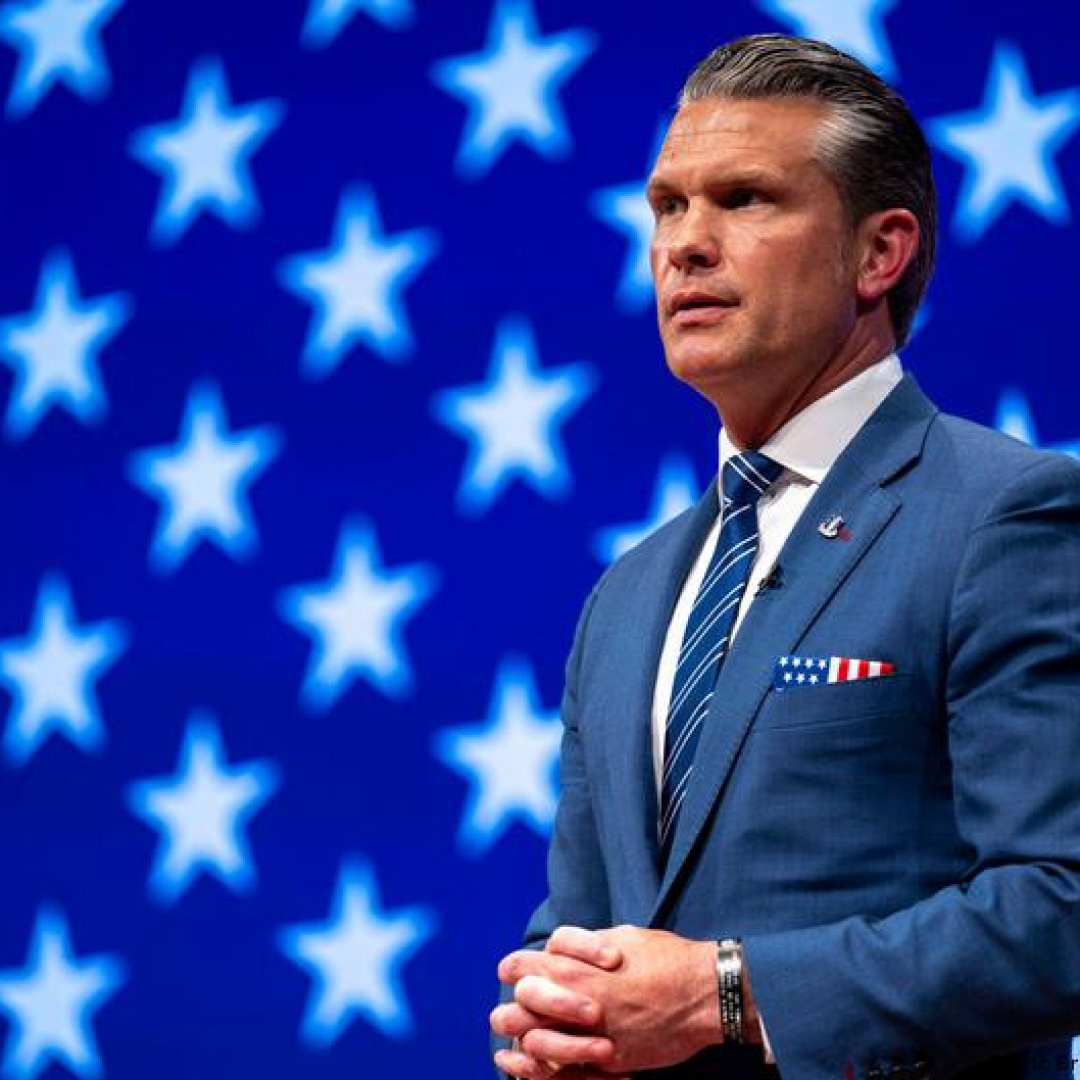
Earlier this year, Senate Republicans intensified their oversight of Defense Secretary Pete Hegseth, demanding access to documents related to the military's controversial operations targeting alleged drug traffickers in Latin America. This push came after months of the Pentagon stalling lawmakers' requests for information, prompting the GOP-led Senate Armed Services Committee to issue a warning: provide the requested materials or face a blockade of one of the Trump administration's political nominees. Hegseth eventually acquiesced, according to two sources familiar with the discussions, who spoke on the condition of anonymity due to the sensitive nature of the exchanges.
The situation illustrates Hegseth's growing vulnerability to congressional oversight, especially as the political landscape shifts with the upcoming midterm elections. Historically, Republican lawmakers have largely supported Hegseth, allowing him to remove numerous senior military officials he deemed disloyal and engaging in military actions without congressional approval. However, should Democrats reclaim a majority in Congress, they are expected to limit Hegseth's latitude significantly, with some members already threatening investigations and potential moves to remove him from office.
Common Sense Shop
The United States of Common Sense
Amazon shopping links. Sponsor Complete!
Pentagon spokesperson Sean Parnell defended Hegseth, asserting that he remains committed to leading the Defense Department and advancing President Donald Trump's military agenda despite what he termed "sham witch hunts" by political opponents. Parnell emphasized that Hegseth has adhered to legal protocols in his operations, countering allegations of misconduct.
Rep. Adam Smith, the leading Democrat on the House Armed Services Committee, indicated that if he were to assume the chairmanship, he would focus on three primary areas: military operations, the politicization of the armed forces, and potential corruption related to defense contracts. The Pentagon is reportedly preparing for such inquiries, anticipating that military officials may be called to testify before Congress if Democrats take control.
Hegseth faces immediate challenges as well; when Congress reconvenes, a vote is expected on a proposal to impeach him over his actions in Iran. This initiative, led by Republican Rep. Thomas Massie, has the potential to pass in the House, marking a significant blemish on Hegseth's record, though a Senate conviction remains unlikely.
Hegseth's Future Amid Political Uncertainty
Speculation has arisen regarding Hegseth's future, particularly if Republicans suffer significant losses in the midterms. Some officials suggest he might resign to evade intensified scrutiny or pursue other political ambitions. However, two individuals familiar with Hegseth's mindset assert that he intends to remain in his position for the full term, dismissing concerns that a Democratic majority would alter his plans.
In a recent address to service members, Hegseth outlined his priorities for the next two years, including plans for a new military base and the integration of advanced weaponry into U.S. defense strategies. However, if he were to leave office, the implications of an impeachment would complicate his ability to manage the Defense Department effectively, particularly regarding compliance with congressional investigations.
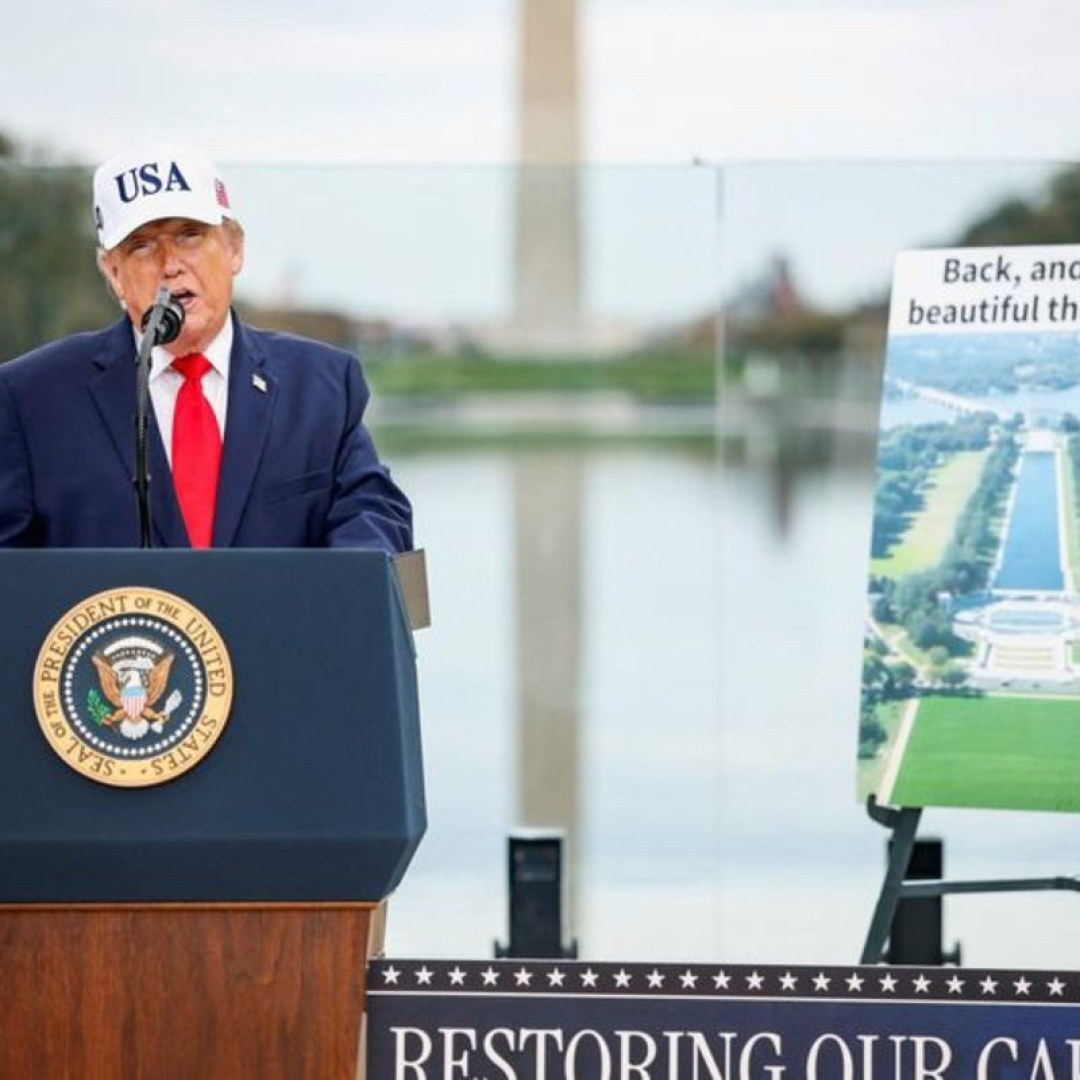
President Trump, when asked about the impeachment threat against Hegseth, expressed his unwavering support for the secretary, labeling the move as "terrible" and reaffirming Hegseth's capabilities as a leader. Despite the backing from the White House, Hegseth's tenure has not been without controversy, including his use of secure messaging apps to discuss sensitive military operations.
The Common Sense Test
As members of both parties grow increasingly willing to confront Hegseth, the question remains whether he can secure bipartisan support for military initiatives moving forward. Observers note that while some officials believe Hegseth could work collaboratively across party lines, others predict that a Democratic majority would embolden critics within Congress and the Pentagon to challenge his authority more aggressively.
Hegseth's ability to navigate this precarious political landscape will be critical as he seeks to maintain his position and fulfill his agenda for the military. The upcoming midterm elections will undoubtedly play a pivotal role in shaping the future of his leadership and the direction of U.S. military policy.