Trump's Narrative on Iran Contributes to Republican Midterm Losses

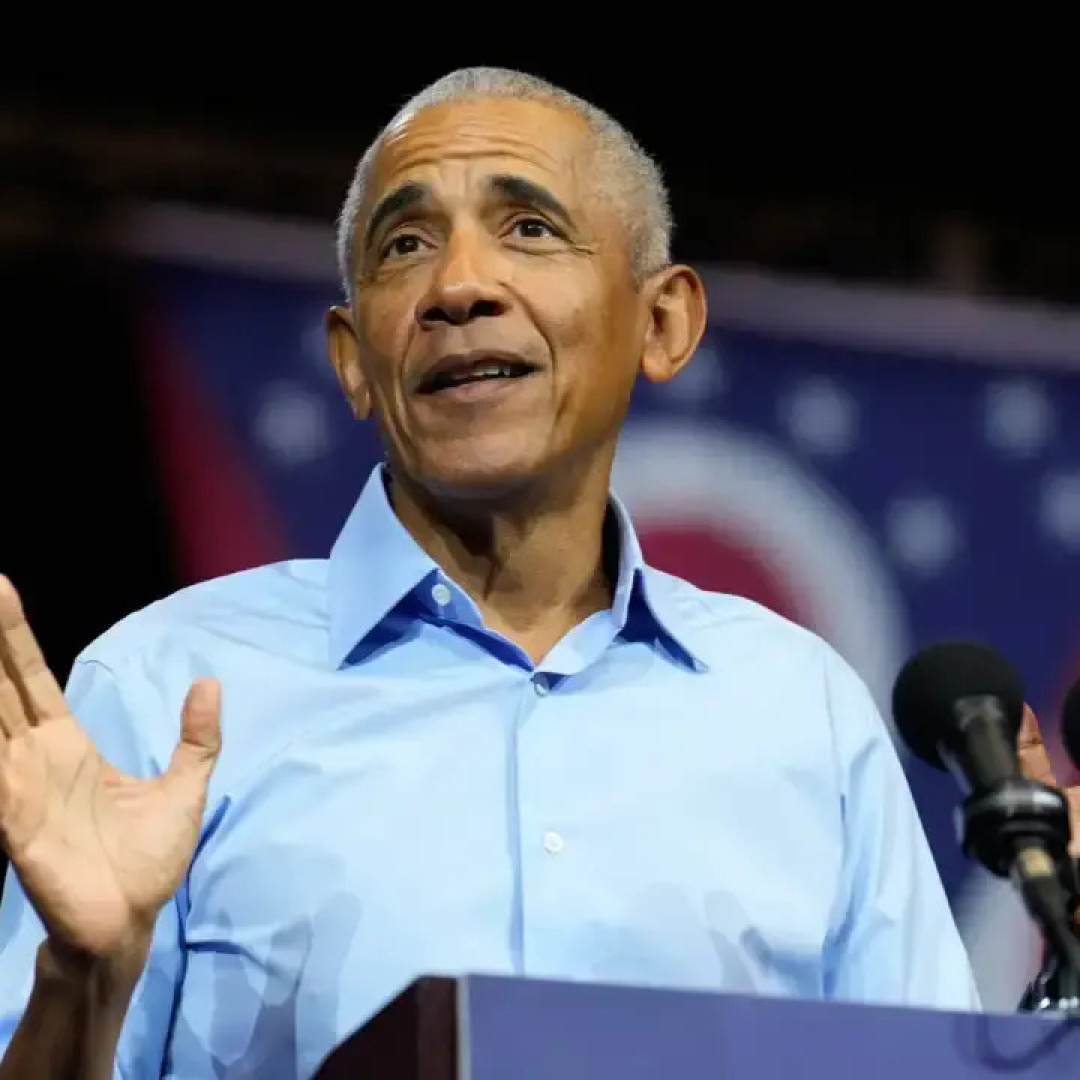
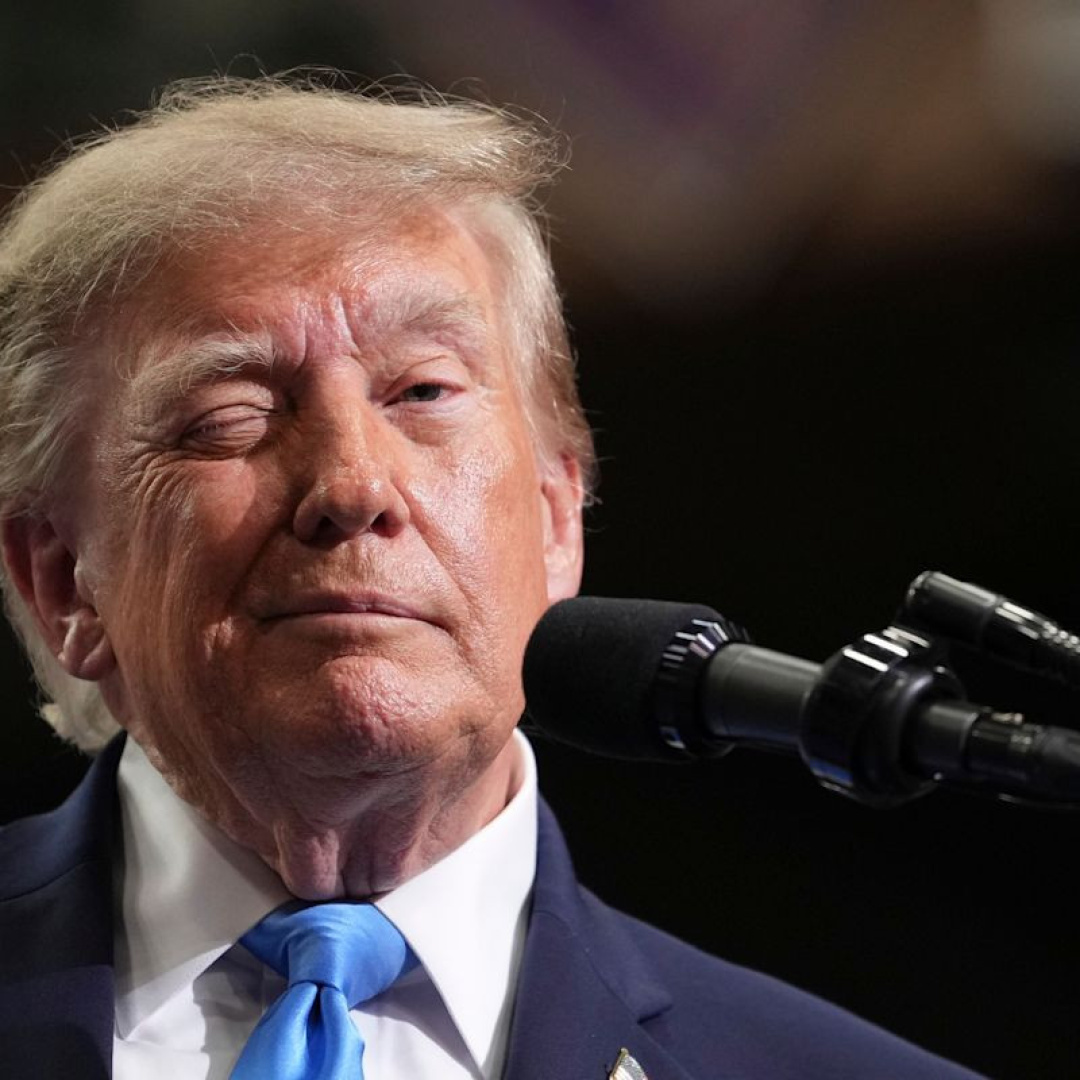
The recent US midterm elections have proven to be a watershed moment for Donald Trump and the Republican Party, culminating in a historic defeat that has left many within the party scrambling to reassess their strategies. With nearly $12 billion spent—making it the most expensive election in American history—much of that funding directed towards Republican candidates, the results were nonetheless disappointing for the GOP. Voters largely rejected the Republican narrative, leading to a Democratic sweep not seen in decades.
In the aftermath, President Trump, who has often thrived on controversy, appears to have lost control over the narrative surrounding his administration's policies, particularly regarding Iran. The election results signify more than just a loss; they represent a repudiation of Trump's approach to foreign policy and his handling of the US-Israel relationship. Political analysts, including Meenakshi Ravi and Richard Gizbert, have noted that the scale of the defeat reflects a broader discontent with Trump's leadership style and policy decisions.
Common Sense Shop
The United States of Common Sense
Amazon shopping links. Sponsor Complete!
The implications of this election extend beyond mere numbers. It raises critical questions about the future direction of the Republican Party and its ability to connect with voters on key issues. The Democratic victory has been interpreted as a clear signal that many Americans are unsatisfied with the status quo, particularly in relation to foreign policy and national security. The failure to effectively communicate the party's stance on these matters has left Republicans in a precarious position as they look ahead to future elections.
Navigating the Aftermath of Defeat
As Trump and his allies attempt to spin the narrative of their defeat, they face the daunting task of reconciling their messaging with the realities presented by the electorate. The disconnect between what Republican candidates campaigned on and what voters ultimately wanted has led to calls for a reevaluation of the party's core messages. Some party strategists argue that a pivot towards more traditional conservative values, emphasizing personal responsibility and national sovereignty, may be necessary to regain voter trust.
Moreover, the media's role in shaping public perception cannot be overlooked. The Republican Party has often found itself at odds with mainstream media narratives, which can distort or misrepresent their positions. As they navigate this challenging landscape, it will be crucial for Republicans to find a way to communicate their policies effectively without alienating their base or appearing out of touch with the average voter.
The Common Sense Test
Ultimately, the results of the midterms serve as a wake-up call for the Republican Party. The need for a coherent and compelling narrative is more pressing than ever. As they regroup and strategize for the future, party leaders must ensure that their messaging resonates with the values and concerns of American voters. The challenge lies not only in crafting a narrative that appeals to their base but also in addressing the broader electorate's concerns about national security and foreign policy. Failure to do so may result in further electoral losses and a continued decline in public support for conservative principles.