Supreme Court Affirms Constitution's Primacy Over Special Laws
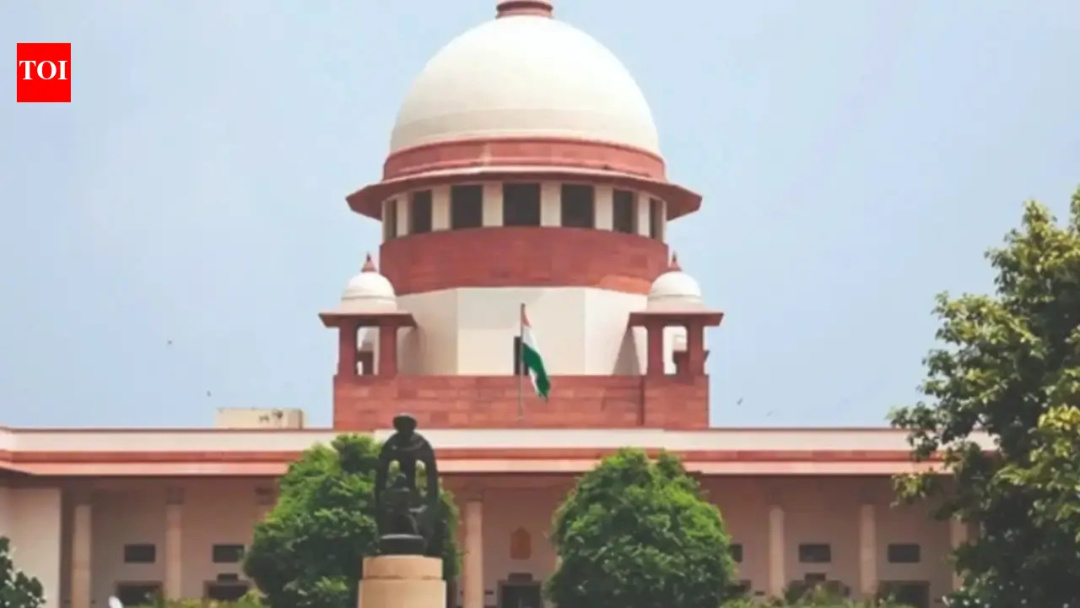
In a significant ruling, the Supreme Court of India has reiterated that the Constitution holds primacy over all special laws, including those governing narcotics and terrorism. The court emphasized that the right to a speedy trial is a fundamental right protected under Article 21 of the Constitution, which cannot be infringed upon by special statutes. This ruling comes in light of ongoing debates regarding bail conditions under laws like the Narcotic Drugs and Psychotropic Substances (NDPS) Act and the Prevention of Money Laundering Act (PMLA).
The bench, comprising Justices Ujjal Bhuyan and A S Chandurkar, stated that any conflict between constitutional provisions and special laws must be resolved in favor of the Constitution. They criticized previous judgments that suggested the right to a speedy trial could be restricted by stringent bail conditions outlined in special statutes. The court's position is clear: fundamental rights should not be compromised, even under the weight of special laws that impose strict legal frameworks.
Common Sense Shop
The United States of Common Sense
Amazon shopping links. Sponsor Complete!
This ruling is particularly relevant as it addresses the ongoing confusion within the Supreme Court regarding the application of bail in cases under the UAPA and PMLA. There have been contradictory decisions from different benches about whether the right to a speedy trial can serve as grounds for granting bail. The latest ruling aims to unify the court's stance on this critical issue, reinforcing the notion that the Constitution should guide legal interpretations, rather than the other way around.
The Common Sense Test
The court's assertion that "a statute, special or otherwise, cannot be a guide to interpret the Constitution; rather, it should be the other way round" reflects a commitment to uphold the rights guaranteed to citizens. This perspective is vital in ensuring that the legal system remains fair and just, particularly for those accused of serious offenses. The bench's comments underscore the importance of protecting fundamental rights, which are central to the fabric of constitutional jurisprudence in India.
As this ruling is likely to influence future cases involving special laws, it raises important questions about the balance between legislative authority and constitutional rights. The implications of this decision will undoubtedly resonate throughout the legal landscape, prompting a reevaluation of how special laws interact with the fundamental rights enshrined in the Constitution. The Supreme Court's commitment to prioritizing constitutional rights is a crucial step in safeguarding the liberties of individuals against the potential overreach of legislative measures.