Houston Mayor Limits Police Cooperation with ICE Amid Policy Shift
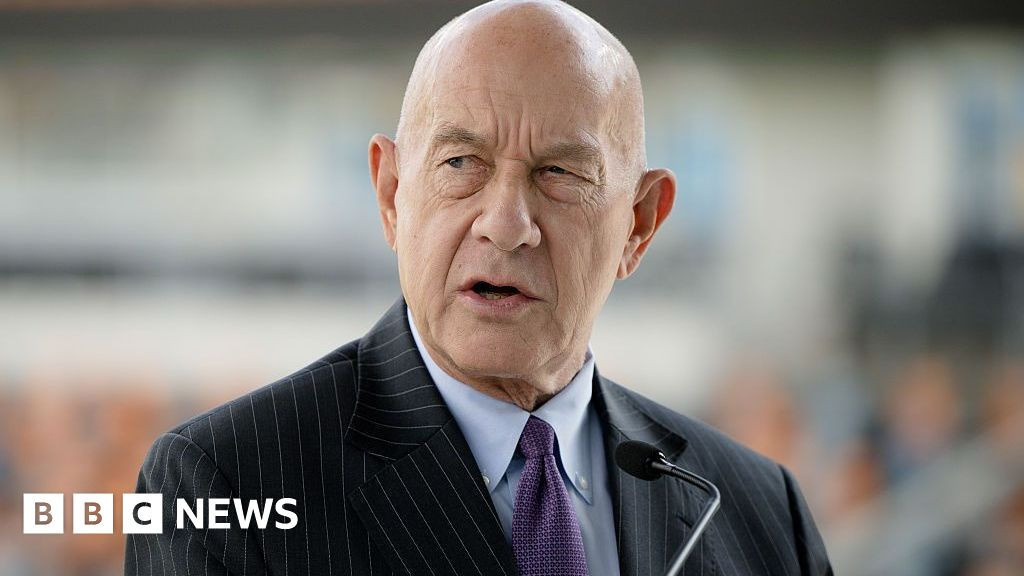
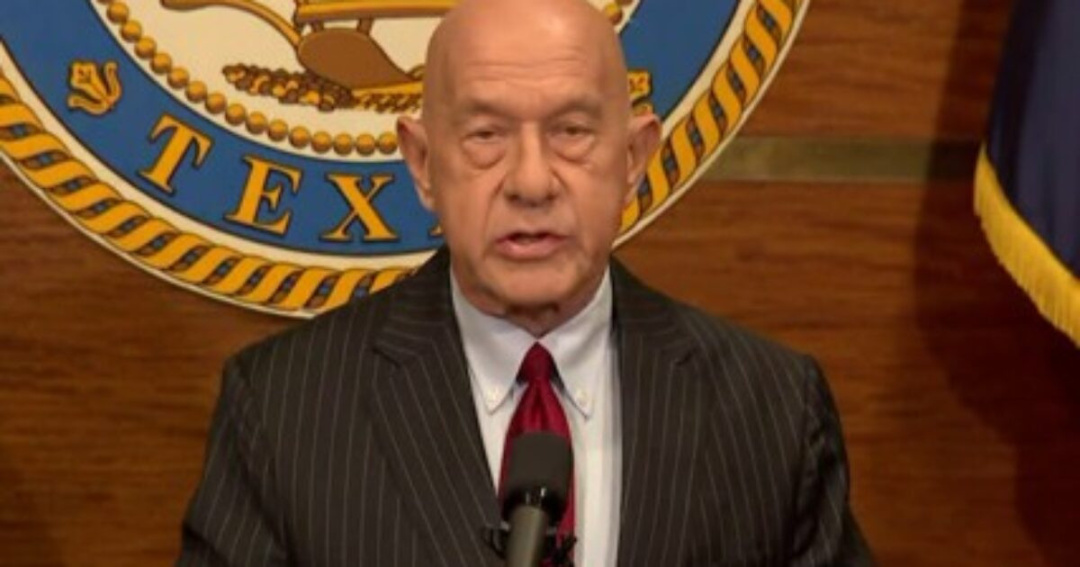
In a notable shift in immigration enforcement policy, Houston Mayor John Whitmire has directed the city's police department to limit their cooperation with Immigration and Customs Enforcement (ICE). This decision comes on the heels of a Democratic sweep in Texas during the recent midterm elections, marking a significant political shift in a state traditionally dominated by Republicans. Whitmire stated that the changes are intended to foster a healing process within the community and reduce fear and anxiety among residents, emphasizing the importance of elections in shaping policy decisions.
Under the new directive, Houston police will only notify ICE when an individual arrested for a jailable offense also has an administrative ICE warrant. This contrasts with previous policies that required officers to inform ICE of anyone flagged in the National Crime Information Center (NCIC) database, regardless of the nature of their offense. Police Chief Noe Diaz clarified that minor infractions would no longer lead to automatic ICE notifications, allowing individuals to receive citations without further consequences related to their immigration status.
Common Sense Shop
The United States of Common Sense
Amazon shopping links. Sponsor Complete!
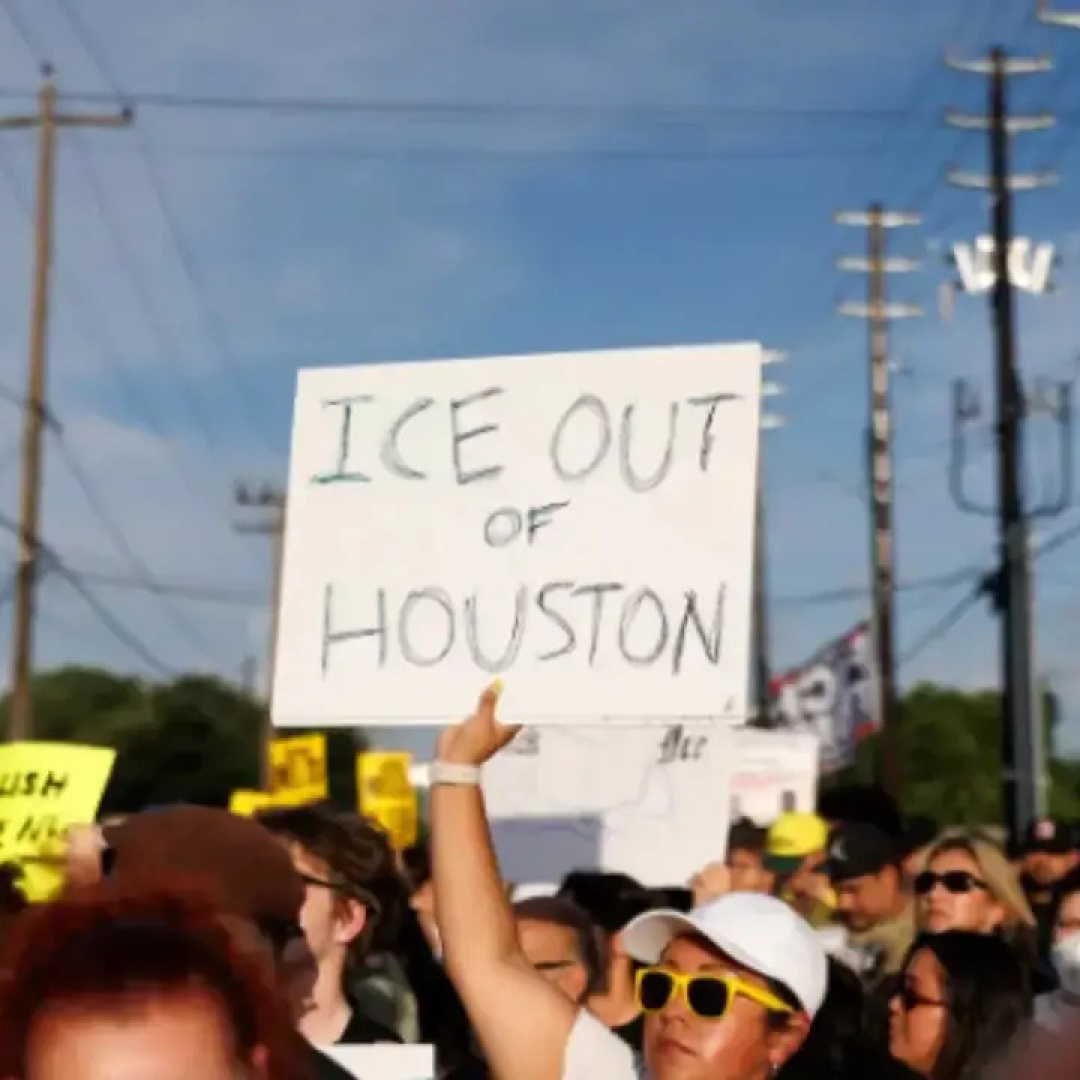
The mayor's executive order reflects a growing trend among Democratic leaders to adopt sanctuary policies, which prioritize community trust over strict immigration enforcement. Whitmire's decision follows public outcry after an ICE officer fatally shot a man driving to work, an incident that heightened tensions between local communities and federal immigration authorities.
In response to the policy change, a spokesperson for the Department of Homeland Security expressed disappointment, stating that limiting cooperation with ICE undermines law enforcement's ability to protect communities. The spokesperson emphasized that partnerships with local police are essential for effectively addressing the issue of criminal illegal aliens.
Broader Trends in Texas Immigration Policy
This policy shift is not isolated to Houston; Austin has also begun implementing similar changes, reflecting a broader Democratic strategy in Texas following their electoral victories. Whitmire's announcement comes amidst a backdrop of significant political upheaval, as Democrats gained control of both the U.S. Senate and House of Representatives, which could impact federal immigration policy moving forward.
Whitmire, who has faced criticism in the past for his adherence to immigration enforcement policies during the Trump administration, is now calling for reforms at the federal level. He has urged Congress to improve ICE training and implement measures like body cameras to enhance accountability. However, he acknowledges that real change must come from Washington, stating, "I can only control what I can control."
The Common Sense Test
As Texas navigates this political landscape, the implications of these policy changes will likely resonate beyond the state. With the potential for increased tensions between local and federal authorities, the debate over immigration enforcement continues to be a contentious issue, highlighting the divide between progressive and conservative approaches to border security and community safety.
Ultimately, the effectiveness of Whitmire's new policy will depend on its impact on public safety and community relations. While the intention to reduce fear among residents is commendable, the question remains: will limiting cooperation with ICE truly enhance safety, or will it embolden criminal elements within the community? As the situation unfolds, it will be crucial to monitor the real-world consequences of this policy shift and whether it aligns with the broader goals of law and order that many Texans still prioritize.