NVIDIA CEO Jensen Huang to Address Congress on National Security Concerns
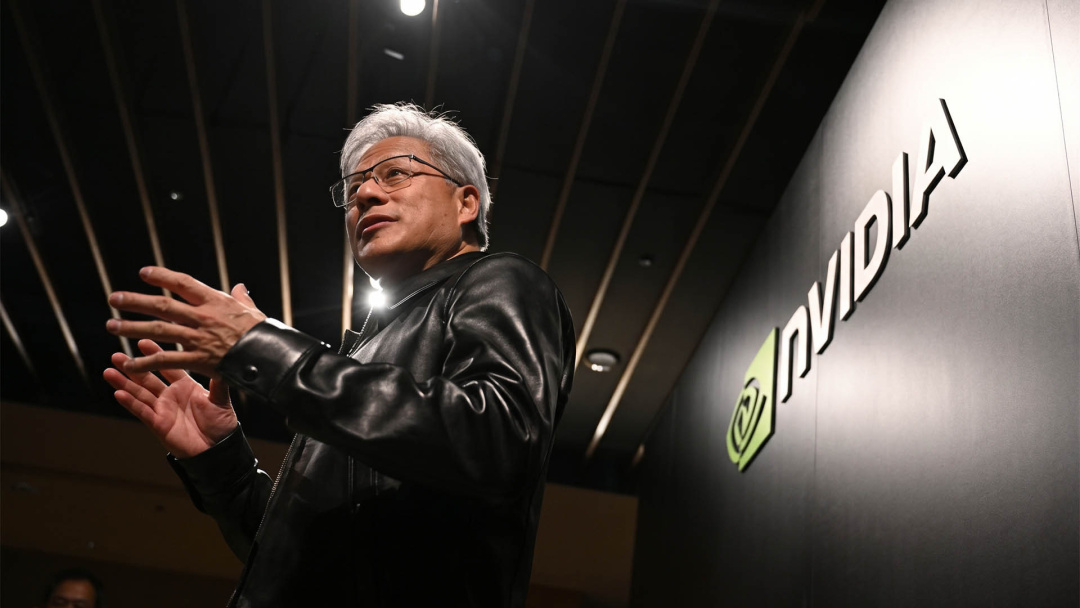
Jensen Huang, the CEO of NVIDIA, is set to face scrutiny from U.S. lawmakers as he has been summoned for a closed-door briefing regarding potential national security vulnerabilities tied to his interactions with a Megaspeed executive, Alice Huang, who is under investigation for suspected ties to Chinese intelligence. This request, initiated by a coalition of House Republicans, emphasizes the ongoing tension between U.S. technological leadership and foreign espionage threats.
The formal request was made on November 4, 2026, and signed by prominent Republican representatives, including Brian Mast, John Moolenaar, and Rick Crawford. They are seeking to question Huang about NVIDIA's security protocols aimed at preventing espionage from foreign adversaries, particularly in light of reports that Alice Huang has been surveilled by the U.S. government for allegedly transmitting sensitive technology information to the Chinese government.
Common Sense Shop
The United States of Common Sense
Amazon shopping links. Sponsor Complete!
This congressional inquiry is particularly timely as concerns mount over the export of advanced technology to China. A recent investigation revealed that 32 of NVIDIA's B300 GPUs, which are classified under U.S. export controls, were found to be deployed at China Telecom. This raises alarms about how sensitive U.S. technology could be infiltrated and utilized by the Chinese state, a matter that the congressional chairmen have made a priority in their investigations.
The GPUs in question utilize High Bandwidth Memory (HBM) technology, which is restricted from being exported to China. However, smugglers have reportedly exploited a loophole, rerouting server chips equipped with HBM from Hong Kong to China, where they are then de-soldered and repurposed. This highlights the ongoing challenges the U.S. faces in controlling its advanced technology and preventing it from falling into the hands of adversaries.
Huang's Upcoming Congressional Briefing
Huang is expected to appear before Congress in Room 2172 of the Rayburn House Office Building on November 18, 2026. Lawmakers have requested confirmation of his attendance by November 11, 2026. This briefing could represent a pivotal moment for NVIDIA and the broader semiconductor industry, as the U.S. government continues to grapple with the implications of Chinese access to advanced technologies. As previous experiences have shown, however, adversaries often find ways to circumvent restrictions, raising questions about the effectiveness of current export controls and national security measures.
The Common Sense Test
The situation underscores the complexities of balancing national security with the realities of global trade in technology. As the U.S. strives to maintain its position as a leader in artificial intelligence and semiconductor manufacturing, the potential for espionage looms large. Congressional oversight is crucial in ensuring that companies like NVIDIA implement robust security measures to protect sensitive information from foreign adversaries. The outcome of Huang's briefing may not only impact NVIDIA's future operations but also set a precedent for how the U.S. addresses national security concerns in the tech sector moving forward.
As the investigation unfolds, it becomes increasingly clear that the intersection of technology and national security requires vigilant oversight. The implications of foreign espionage are profound, not just for individual companies but for the integrity of U.S. technological advancements. It remains to be seen how Huang will address these concerns and what measures will be taken to ensure that sensitive technology does not end up in the hands of those who would use it against American interests. The stakes are high, and the need for accountability has never been more urgent.