Voter Anger Over Corruption Shapes Midterm Elections
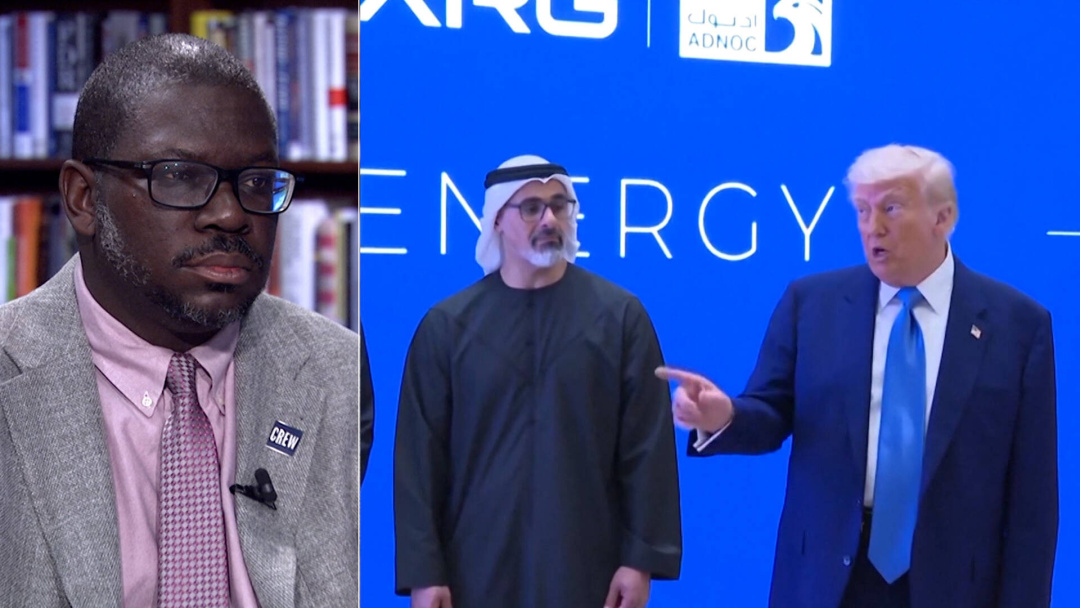
The recent midterm elections saw Democrats reclaim control of both the House and Senate, a shift largely attributed to widespread voter discontent over rising costs and perceived corruption within the political system. According to a Harris poll, 76% of voters expressed the belief that elected officials are more interested in enriching themselves than in improving the economy for average Americans. Additionally, a Reuters/Ipsos poll revealed that 63% of respondents found it inappropriate for Trump and his family to profit from cryptocurrency ventures, while 69% felt that his private business interests unduly influence his decisions as president.
Donald Sherman, president and CEO of Citizens for Responsibility and Ethics in Washington (CREW), emphasized the need for the new Congress to focus on accountability and affordability. "If this election was about corruption and cost, then this next Congress needs to be focused on accountability and affordability," Sherman stated, highlighting the intertwined nature of these issues. He called for oversight not only on the administration's alleged corruption but also on corporate America, which has benefited from what he termed a "pay-to-play environment" under Trump.
Common Sense Shop
The United States of Common Sense
Amazon shopping links. Sponsor Complete!
The election results reflect a growing demand among voters for transparency and integrity in governance. Candidates who campaigned on anti-corruption platforms gained significant traction, despite the record spending in the election cycle, which reached nearly $12 billion. Notably, Texas Senator-elect James Talarico pointed out the overwhelming financial opposition faced by his campaign, which included more than $300 million in negative advertising and misinformation tactics.
As Democrats prepare to take control of Congress, the question remains: how will they address the pervasive issues of corruption that voters have identified as a top priority? Sherman argues that Congress must not only investigate the Trump administration's actions but also reform its own practices to restore public trust. This includes banning members from trading individual stocks and imposing stricter regulations on lobbying and campaign financing.
The Challenge of Accountability
Sherman noted that the president's business dealings are not merely a side issue; they are central to understanding the broader implications of his administration's policies. For instance, the tariffs imposed by Trump have direct consequences for everyday consumers, often aligning with the interests of his business ventures. This pattern of behavior raises serious questions about the integrity of decision-making at the highest levels of government.
Moreover, the recent elections have underscored a critical lesson: voters are acutely aware of the connections between corruption and the challenges they face in their daily lives. As the new Congress convenes, it will be imperative for lawmakers to prioritize these concerns and take decisive action to ensure accountability, not only for the Trump administration but also for corporate interests that have exploited the political system.
The Common Sense Test
In the coming years, Congress has a unique opportunity to reshape the narrative around corruption and accountability in American politics. By addressing the systemic issues that have led to widespread voter disillusionment, lawmakers can begin to restore faith in government. The challenge will be to translate voter concerns into actionable reforms that prioritize the public interest over personal gain. As the electorate continues to demand change, it is clear that the fight against corruption must remain at the forefront of political discourse.