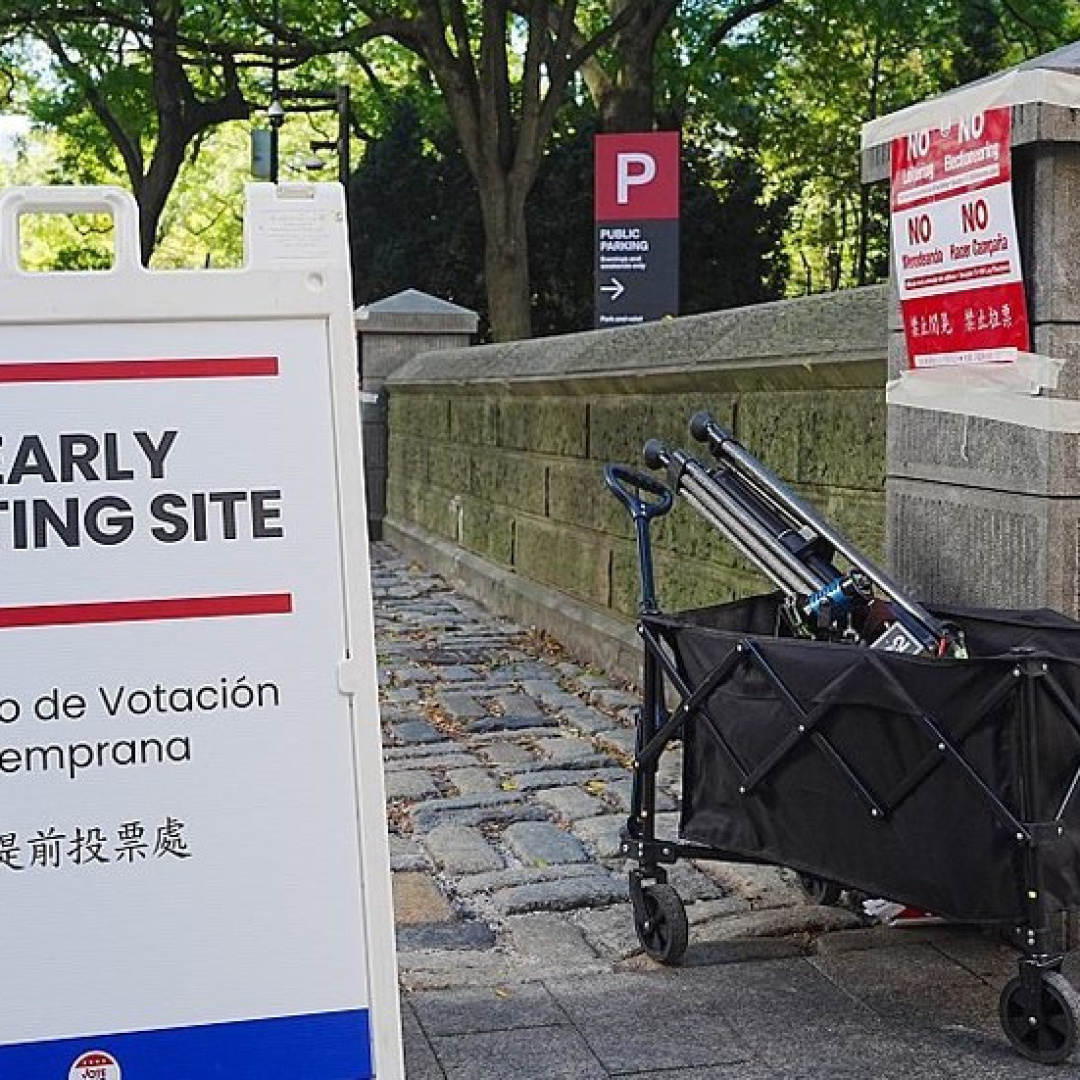
Democrats Gear Up for Unpredictable 2028 Presidential Primaries
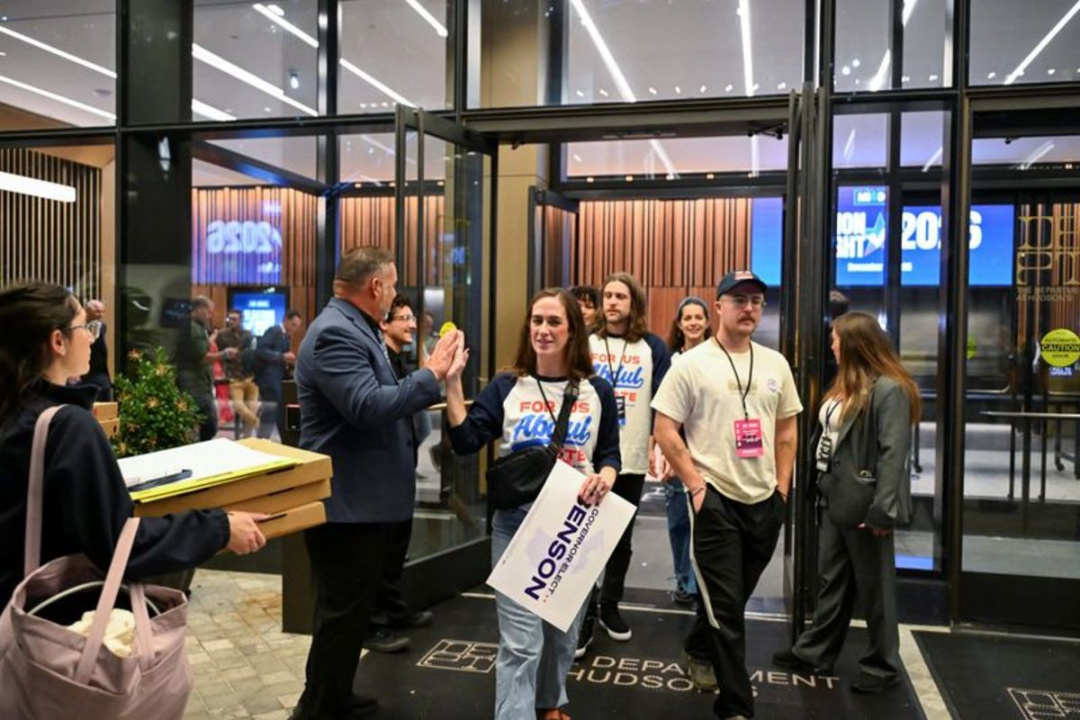
With the midterm elections now behind them, Democrats are gearing up for what could be one of the most crowded and unpredictable presidential primaries in decades. The 2028 contest is expected to lay bare the party's divisions over how to reclaim the White House, as no clear favorite has emerged in a field that could attract numerous contenders.
Potential candidates, including sitting governors and senators, have been actively cultivating donors, visiting early nominating states, and raising their national profiles in anticipation of a race that strategists believe will begin in earnest following the midterms. Despite their recent electoral victories, which served as a sharp rebuke to former President Donald Trump and his agenda, Democrats remain divided over whether to shift toward the center or embrace a more progressive platform on key issues such as healthcare, taxation, policing, and foreign policy.
Common Sense Shop
The United States of Common Sense
Amazon shopping links. Sponsor Complete!
Republican candidates, on the other hand, face the challenge of distancing themselves from Trump's policies after voters expressed dissatisfaction with his administration's handling of the economy and foreign affairs. The need for Republicans to broaden their appeal while maintaining support from Trump's base will be crucial as they navigate the upcoming election cycle.
Doug Sosnik, a Democratic strategist, noted that both progressives and moderates within the party will claim vindication for their respective approaches, leading to an intense internal battle as the 2028 race unfolds. One notable progressive victory occurred in Michigan, where Democrat Abdul El-Sayed defeated Republican Mike Rogers, marking a significant win in a state that could be pivotal in the upcoming election.
As potential candidates begin to emerge, figures such as former Vice President Kamala Harris, California Governor Gavin Newsom, Kentucky Governor Andy Beshear, and progressive Representative Alexandria Ocasio-Cortez are all being discussed as possible contenders. While many have not officially declared their candidacies, the political landscape is shifting, and discussions about the party's future are intensifying.
Democrats Rally for Future Leadership Debate
As the Democratic Party prepares for this significant electoral battle, the upcoming gathering in Denver, hosted by Majority Democrats, aims to spark a debate about the party's direction. This event, backed by moderate Democrats and billionaire donor Steve Mandel, seeks to advocate for younger leadership and a more centrist party platform.
The primary could attract a large number of candidates, with estimates suggesting that at least 30 Democrats are considering a run. In contrast, Republican hopefuls are being more cautious, often remaining in Trump's shadow as they assess their own paths forward. The dynamics within the GOP may shift following the recent elections, as candidates like Vice President JD Vance and Secretary of State Marco Rubio begin to carve out their positions.
The Common Sense Test
Vance, who has less freedom to distance himself from Trump due to his role, acknowledged that the conflict in Iran, initiated by Trump, has negatively impacted Republicans' standing with voters. This admission, however, does not signify a clear break from the former president's influence.
Ultimately, the Republican Party's next standard-bearer will face the daunting task of maintaining Trump's MAGA base while also rebuilding a broader coalition that includes younger voters, Hispanics, and some Black men—constituencies that have recently shifted away from the GOP. As the 2028 presidential race approaches, the strategies and decisions made by both parties will be critical in shaping the future of American politics.