Iran Eases Oil Transit Restrictions for China and India Amid US Blockade
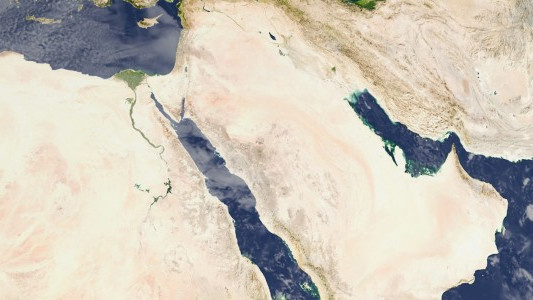
In a notable shift in energy policy, the Iranian parliament has announced exemptions from its oil transit restrictions in the Strait of Hormuz for several key trading partners, including China, India, Iraq, and Qatar. This development, which has received limited media attention, was revealed by Ahmad Hayat-Moghaddam, Vice Chairman of the Iranian Parliament’s National Security and Foreign Policy Committee, amid ongoing challenges posed by a prolonged US naval blockade of Iranian ports.
Hayat-Moghaddam stated, "We have currently exempted India, China, Iraq and Qatar from transit restrictions in the Strait of Hormuz. Ships from these countries pass freely." This decision is framed as a means to enhance mutual interests among nations that have historically engaged in trade with Iran. The Iranian official further asserted that the exemptions are also motivated by humanitarian concerns, particularly in facilitating the movement of Indian ships for medical supplies, while Chinese vessels are exempted to secure political backing from Beijing.
Common Sense Shop
The United States of Common Sense
Amazon shopping links. Sponsor Complete!
The implications of this policy shift are significant, especially as it suggests that the US Navy is not actively blocking these exempted ships from passing through the strategically vital Strait of Hormuz. Hayat-Moghaddam claimed, "The Americans do not interfere with them either," which raises questions about the effectiveness of the US blockade and the broader geopolitical landscape in the region.
The rationale behind these exemptions appears to be multifaceted. For instance, the exemption for India is intended to streamline the import of medicines into Iran, reflecting a focus on humanitarian needs. Meanwhile, the exemption for China seems to be aimed at solidifying political support from a key ally amidst escalating tensions with the US.
Geopolitical Risks and Shipping Stability
Despite a recent uptick in attacks on commercial vessels attributed to Iran, which has heightened geopolitical risks in the region, the frequency of these incidents has reportedly decreased. This reduction may provide a temporary reprieve for international shipping routes, although the underlying tensions remain unresolved.
As global media attention shifts towards domestic political developments in the US, particularly the midterm elections, the implications of Iran's actions in the Strait of Hormuz may not receive the scrutiny they deserve. The potential for renewed military action by the US, especially with a Democratic majority in Congress, remains a concern that could influence future Iranian strategies in the region.
The Common Sense Test
This strategic maneuver by Iran not only highlights the complexities of international energy markets but also underscores the challenges the US faces in enforcing its sanctions regime. The exemptions granted to China and India may signal a shift in the balance of power in the region, as these nations deepen their economic ties with Iran. As the US navigates its foreign policy objectives, the effectiveness of its sanctions will be tested against Iran's ability to adapt and secure vital trade relationships.
Ultimately, the question remains: how will the US respond to these developments, and what impact will they have on global energy security? As Iran continues to find ways to circumvent sanctions and maintain its oil exports, the strategic importance of the Strait of Hormuz will only grow, making it a focal point for future geopolitical tensions. The balance between enforcing sanctions and ensuring regional stability will require careful consideration from US policymakers as they assess their next steps in this ongoing standoff with Iran.