Michigan's Proposal 2 Sparks First Amendment Concerns Amid Legal Challenge

Michigan voters have passed Proposal 2, a ballot initiative designed to reduce the influence of money in politics by curbing pay-to-play donations. While proponents argue that this measure will help clean up political contributions, it has also sparked a federal lawsuit that raises serious First Amendment concerns. Critics contend that the initiative's provisions could adversely affect journalists, nonprofits, and policy researchers who engage in discussions about candidates and public policies without directly urging voters to take specific actions.
The group Michiganders for Money Out of Politics, known as MOP UP Michigan, expressed confidence in Proposal 2's legal standing following its approval by voters. Campaign manager Maura Cowley emphasized that the initiative garnered significant support, with over 560,000 signatures collected to place it on the ballot. However, the Mackinac Center for Public Policy, which filed the lawsuit, is not contesting the core pay-to-play restrictions but is focusing on the measure's reporting and disclosure requirements that could ensnare a wide array of communications.
Common Sense Shop
The United States of Common Sense
Amazon shopping links. Sponsor Complete!
According to the Mackinac Center, Proposal 2 mandates that any individual or organization making "electioneering communications" totaling at least $5,000 in a calendar year must file detailed reports within ten days. These reports would include information such as the dates and costs of communications, candidates mentioned, and details about donors contributing over $100 for these communications. This requirement raises concerns about the potential chilling effect on free speech, as it imposes burdensome regulations on discussions about candidates and policies.
Proposal 2 defines "electioneering communications" broadly, encompassing various forms of public messaging, including broadcasts, print materials, and internet communications that reference identifiable candidates. This definition applies to communications made within 100 days of a general election or 30 days before a primary or special election, targeting the relevant electorate. The Mackinac Center argues that the law leaves many questions unanswered, including how to determine which expenses count toward the $5,000 threshold and what constitutes a targeted communication.
Legal Challenges to Election Communication Rules
The lawsuit also challenges the expanded definition of an election-related "expenditure" under Proposal 2, which includes public communications that "promote, support, attack, or oppose" a candidate or ballot question, regardless of whether they explicitly advocate for or against an outcome. This change means that organizations spending at least $500 on such communications could be classified as political committees if the state deems their spending intended to influence voters.
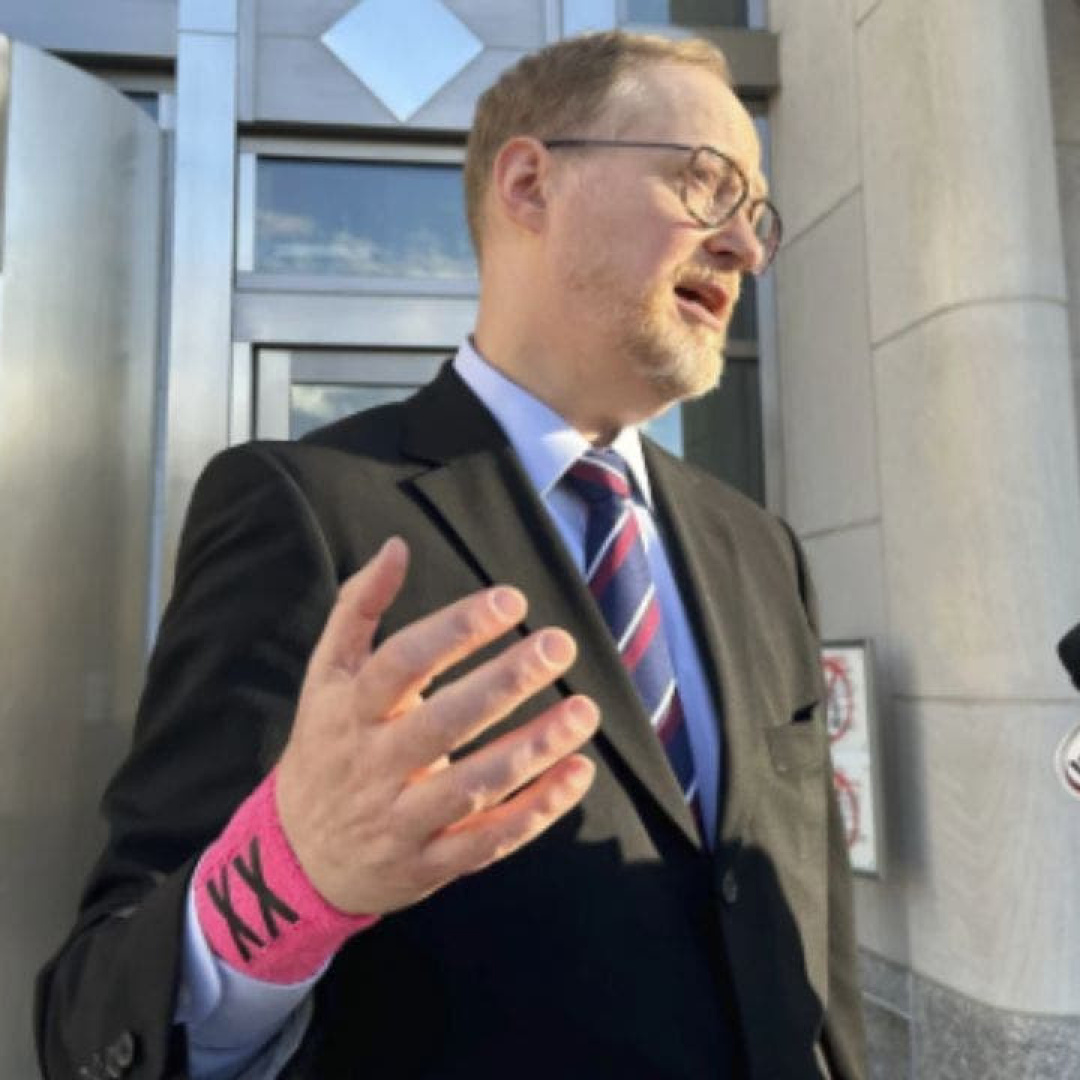
Brett Nolan, an attorney with the Institute for Free Speech representing the Mackinac Center, pointed out that the new reporting requirements lack exceptions for neutral reporting or policy research. Although Proposal 2 retains some exemptions for news stories and editorials, Nolan argues that these do not alleviate the reporting burdens imposed on electioneering communications. The Mackinac Center's complaint cites its MichiganVotes project and other policy-related materials as examples of speech that could be affected by the new regulations.
The Common Sense Test
As the legal battle unfolds, the implications of Proposal 2 and its potential impact on free speech remain a point of contention. The Mackinac Center asserts that the Supreme Court has previously acknowledged the chilling effect of disclosure mandates on free speech, highlighting the risks of political harassment that can arise from such regulations. The lawsuit aims to block the electioneering communications reporting requirement and the political committee rules as they apply to the Mackinac Center, rather than seeking to overturn Proposal 2 entirely.
With Proposal 2 set to take effect soon, the outcome of this legal challenge could have significant ramifications for political discourse and the ability of individuals and organizations to engage in discussions about public policy without fear of government scrutiny or penalties. The stakes are high, as the balance between transparency in political funding and the protection of First Amendment rights hangs in the balance.