Ryan Clark Claims ESPN's Sophie Cunningham Profile Is a Reaction to His Firing
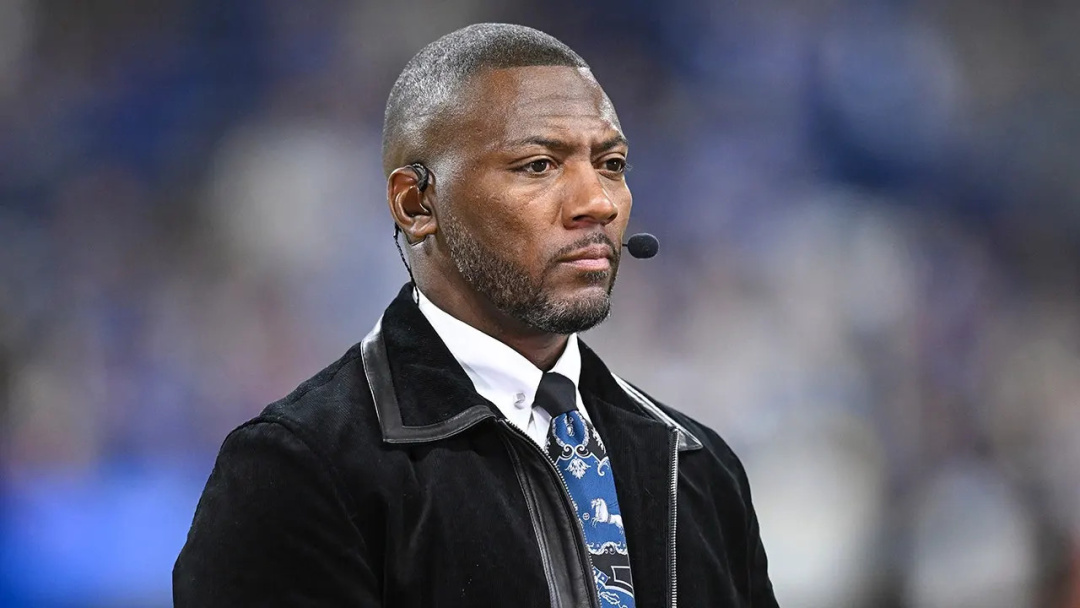
Ryan Clark, a former ESPN analyst, has made headlines again, this time claiming that the network's decision to publish a profile of WNBA player Sophie Cunningham was a calculated effort to impress OutKick after his firing. Clark, who was let go from ESPN over three months ago, continues to discuss his termination, suggesting that the timing of Cunningham's profile was no coincidence. According to Clark, the profile was a direct response to his ousting, intended to shift the narrative in favor of ESPN's public image.
Cunningham has been vocal about her stance on keeping trans athletes out of women's sports, a position that has sparked significant controversy and protests at WNBA games. In her ESPN interview, she stated, "I got a lot of negative feedback about me hating trans. And I'm like, 'I never once said that.' I think that I am here to extend love. But I also think with that love is truth, being honest. And I want to protect young girls in a locker room, or young girls in sport who shouldn’t have to go against biological men."
Common Sense Shop
The United States of Common Sense
Amazon shopping links. Sponsor Complete!
Clark's assertion that ESPN leaked news of his firing to OutKick to create a narrative around his departure has been met with skepticism. Reports indicate that OutKick learned of Clark's layoff from multiple sources and that ESPN's management attempted to inform him of his termination during a live broadcast to prevent him from finding out through the media. This suggests that ESPN was not attempting to humiliate Clark, as he claims, but rather to manage the situation delicately.
The timing of Cunningham's profile, held until July to coincide with the WNBA season, has led Clark to believe it was part of a broader strategy to distract from his firing. However, this perspective may overlook the fact that ESPN has long been involved in discussions surrounding gender identity and sports, making Cunningham's profile a timely piece of journalism rather than a reactionary measure.
Racial Bias and Media Representation
Clark's narrative has evolved into one that emphasizes themes of racial bias, claiming that his firing was influenced by his identity as a Black man. He has publicly stated that he felt he couldn’t be too vocal about race during his time at ESPN, which raises questions about the intersection of race and media representation. However, the reality is that Clark's tenure at ESPN was marked by controversy and conflict, which likely contributed to his dismissal.
The Common Sense Test
As Clark continues to blame others for his firing, it is essential to consider the broader implications of his claims. His situation highlights the ongoing debates about race, gender, and accountability in media. While it is vital to address the complexities of these discussions, it is equally important to recognize personal responsibility and the consequences of one's actions in a professional setting.
Ultimately, Ryan Clark's situation serves as a reminder that accountability in the media landscape is paramount. While narratives around race and identity are crucial, they should not overshadow the fundamental principles of professional conduct and personal responsibility. As discussions about gender identity and sports continue to evolve, it is essential to approach these topics with both sensitivity and a commitment to truth. Clark's claims, while provocative, should prompt a deeper examination of the narratives we accept and the realities behind them.