Midterm Elections Highlight Bipartisan Support for War Lobby, Expert Says

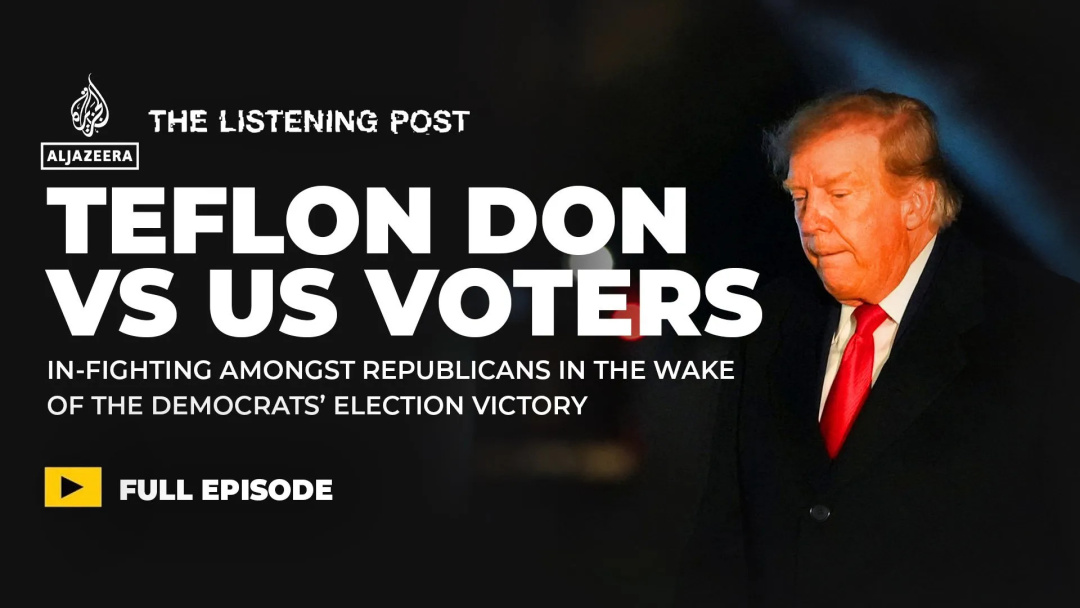
The recent U.S. midterm elections have raised significant questions regarding the alignment of both Republican and Democratic candidates with war lobbying interests. Alfred de Zayas, a retired independent United Nations expert, asserts that both parties are increasingly advocating for military action over diplomatic solutions. This assertion echoes sentiments from various post-election analyses, including one from Responsible Statecraft, which noted that Democrats gained six Senate seats in traditionally Republican states such as South Carolina, Texas, and Kansas. This shift has been interpreted as a rebuke of former President Donald Trump's first two years in office and his foreign policy decisions, particularly concerning Iran.
De Zayas' observations were reported by Sputnik as his personal assessment of the candidates' priorities rather than the outcome of a formal study. In a separate analysis by the Conference Board, key issues highlighted during the midterm debates included affordability, the economic impacts of military actions in the Gulf, healthcare, and public perceptions of corruption. These factors contributed to a growing discontent among voters, particularly regarding military engagements.
Common Sense Shop
The United States of Common Sense
Amazon shopping links. Sponsor Complete!
Public opinion data collected during the campaign indicated a notable decline in support for the ongoing war in Iran. A CNN/SSRS poll conducted in September 2026 revealed a 13 percentage point drop in GOP approval of Trump's handling of the conflict, suggesting that economic pressures, such as rising fuel costs, were weighing heavily on voters' minds ahead of the November elections. Furthermore, a Reuters poll from March indicated that only 27% of Americans supported the new military actions against Iran, highlighting a significant disconnect between political leadership and public sentiment.
Escalating Tensions in the Middle East
Heightened regional tensions have also been a backdrop to these elections. Reports from Middle East Eye noted preparations for potential embassy evacuations by U.S. diplomats, with both Iran and the U.S. showing reluctance to make concessions, raising concerns about the possibility of further military conflict. In September, Trump ordered airstrikes on Iranian military targets, a decision that has drawn criticism from various quarters, including the Health Ranger Mike Adams, who labeled the conflict as a misguided endeavor from the outset.
The Common Sense Test
Amidst these developments, calls for a more diplomatic approach have emerged. Adams advocated for an international peace conference, emphasizing the need for restraint as regional powers, including Turkey, Saudi Arabia, and Pakistan, have begun to forge new security agreements in response to perceived American weaknesses.
As the dust settles from the midterms, the implications of these political alignments and public sentiments on future U.S. foreign policy remain to be seen. The evident shift in voter attitudes towards military engagements suggests that there may be a demand for a reevaluation of America's approach to international conflicts. The question now is whether lawmakers will heed these signals from their constituents or continue to align with the interests of the war lobby, potentially at the expense of broader public opinion and national interests.