Democrats Shift Climate Policy Focus to Energy Affordability
As the midterm elections draw near, Democrats are strategically shifting their climate policy messaging to emphasize energy affordability rather than the broader issue of climate change. This change comes amidst rising costs for gas, groceries, and insurance against climate-related disasters, which have become pressing concerns for American families. Candidates are now packaging climate initiatives as solutions to these affordability issues, aiming to resonate more with voters who are feeling the pinch of rising expenses.
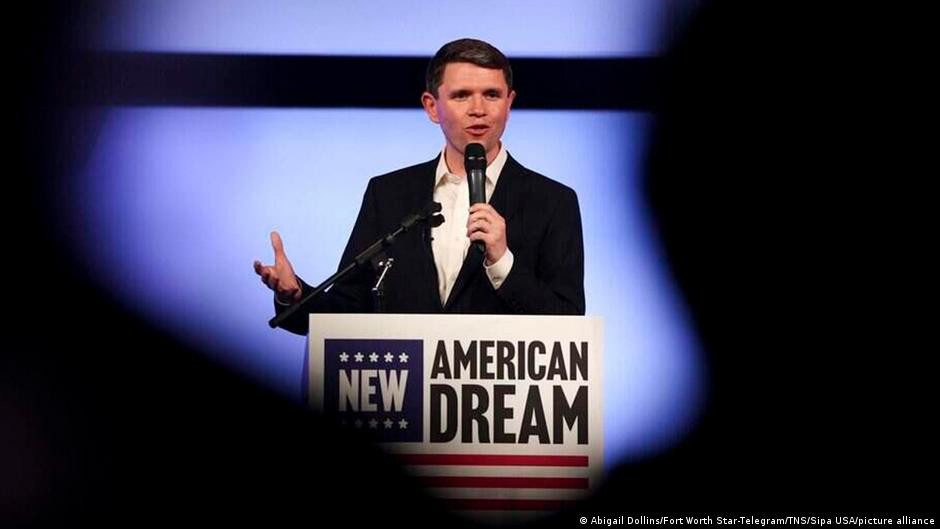
Take James Talarico, a Democratic candidate vying for a Senate seat in Texas, a state long considered a Republican stronghold. While he does mention climate change on his campaign's energy page, his primary focus is on lowering energy costs and providing emergency relief for surging utility bills. This approach reflects a broader trend within the Democratic Party, as analysis from Inside Climate News reveals a significant reduction in mentions of climate change in their press releases and campaign messaging.
Common Sense Shop
The United States of Common Sense
Amazon shopping links. Sponsor Complete!
Max Frankel, executive director of the SEEC Institute, noted that we are in an era where climate policy does not need to be explicitly labeled as such to be effective. This shift in focus is likely a strategic move to appeal to voters who prioritize immediate economic concerns over long-term environmental issues. With forecasts suggesting that Democrats may secure a narrow majority in both the House and Senate following the November elections, the potential for enacting substantial climate legislation remains uncertain, especially without control of the White House.
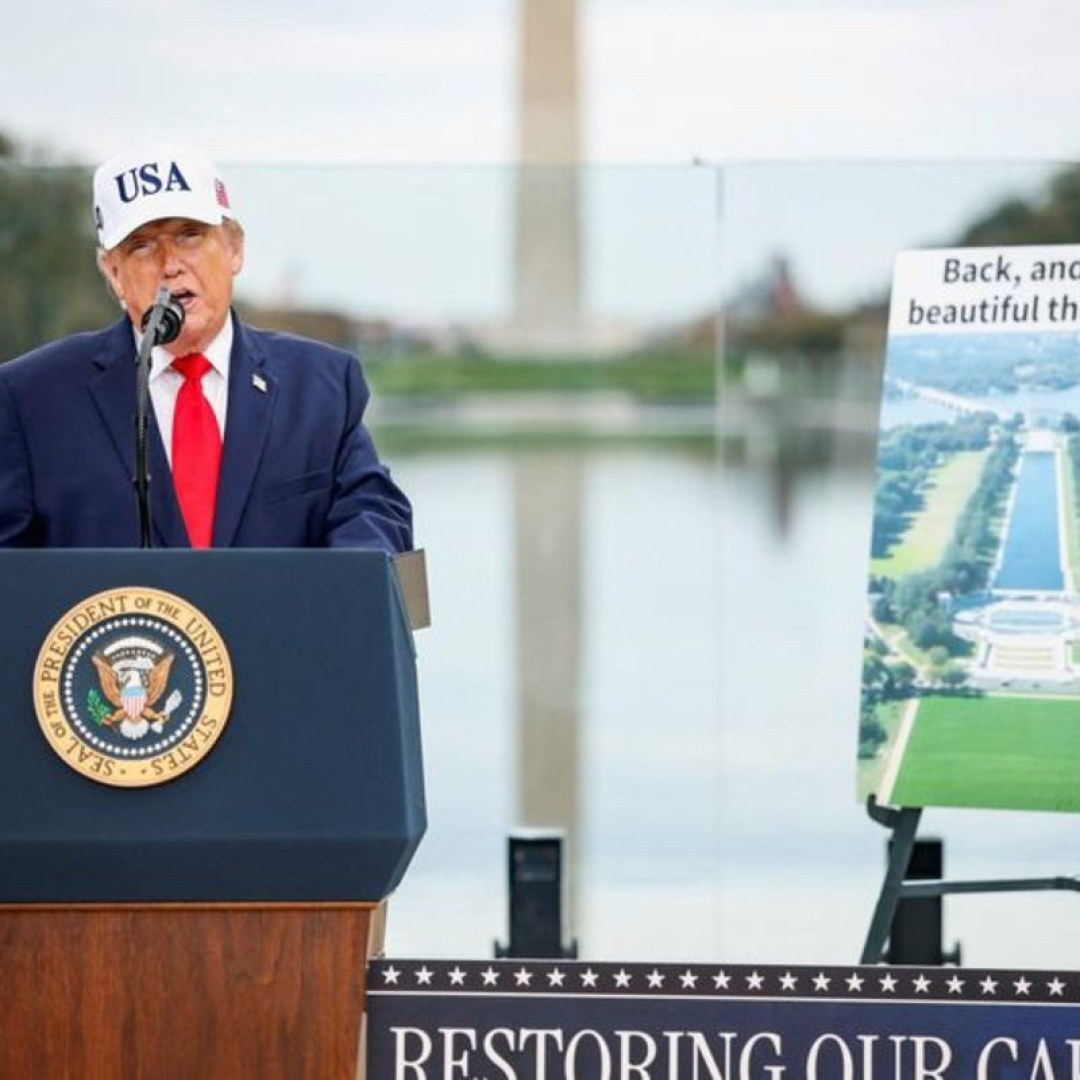
The Inflation Reduction Act (IRA), which aimed to incentivize clean energy projects, faced significant cuts under the Trump administration. Analysts indicate that while Democrats may attempt to revive certain provisions of the IRA, particularly those aimed at reducing household energy costs, the scale of these efforts is unlikely to match the original ambitions of the legislation. Proposals may include incentives for energy-efficient home upgrades and the expansion of tax credits for solar and battery manufacturing.
Bipartisan Efforts on Infrastructure Reform
In an unusual area of bipartisan agreement, some Democrats and Republicans are backing a reform bill intended to streamline the construction of major infrastructure projects, including long-distance transmission lines necessary for renewable energy distribution. David Spence, a political scientist at the University of Texas, emphasized that increasing transmission capacity is crucial for wind and solar energy generation, which is often located far from urban centers.
However, environmental groups caution that this bill could also expedite the approval of fossil fuel projects, complicating the political landscape. Should Democrats achieve significant wins in the midterms, there may be a reevaluation of support for this bill as they consider their leverage in the next Congress. Major new federal climate legislation appears unlikely before the 2028 presidential election, which will require Democrats to regain control of the White House and both chambers of Congress.
The Common Sense Test
As the 2028 presidential race begins shortly after the midterms, candidates are expected to propose various policies addressing energy consumption, particularly concerning data centers that are increasingly criticized for their high energy demands. Proposals may include restrictions on data center construction and new taxes on their electricity usage. Additionally, there is growing support for restoring clean energy tax incentives from the IRA, which many congressional Democrats favor.
In summary, while the Democrats are adjusting their climate policy narrative to focus on affordability, the effectiveness of these measures hinges on their ability to navigate a complex political landscape. The consensus among experts is that restoring clean energy tax incentives will be a priority, but the path forward remains fraught with challenges. As energy costs continue to rise, the question remains whether these adjustments will resonate with voters and lead to meaningful legislative action on climate and energy policy.