Republicans Blame Hegseth as Midterm Losses Spark Internal Conflict
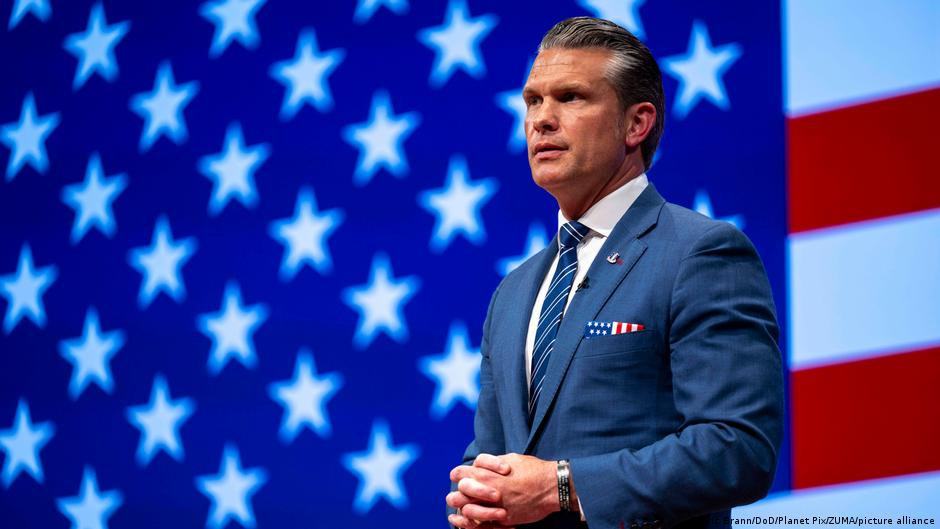
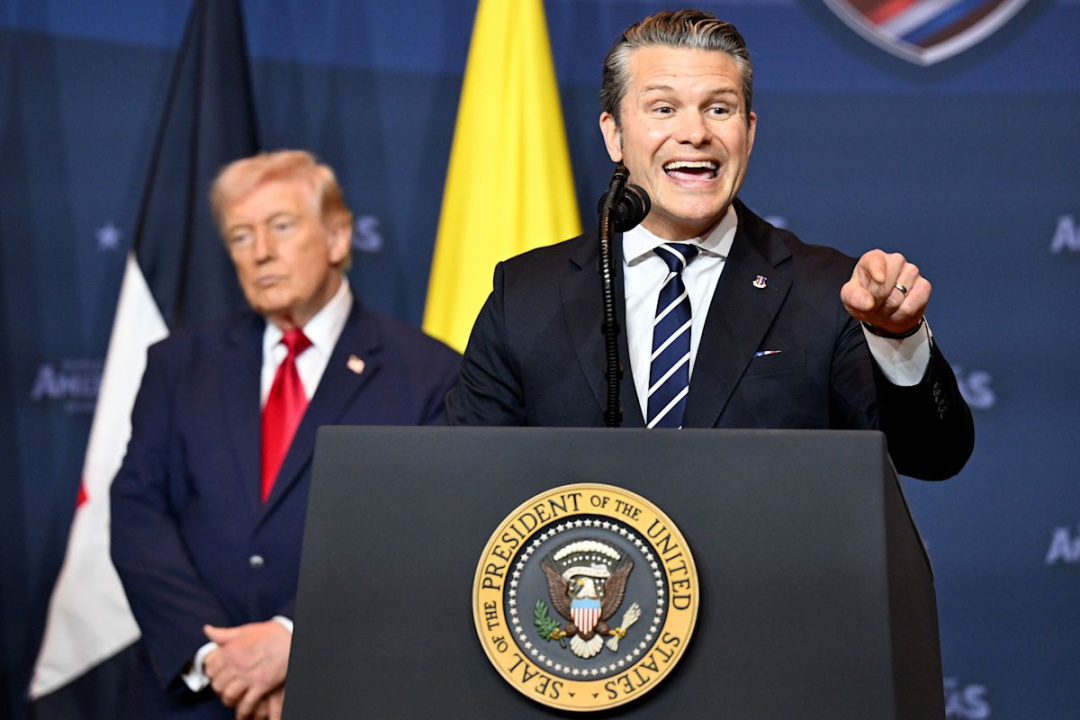
Republicans in Washington are grappling with the aftermath of a significant electoral defeat in the midterm elections, where Democrats achieved substantial gains in Congress. This loss has prompted internal scrutiny, particularly directed at Defense Secretary Pete Hegseth, who is facing criticism for his endorsement of the ongoing war in Iran. Insiders from the Republican Party have indicated that Hegseth is under pressure, with many attributing the electoral losses to the dissatisfaction voters expressed over the conflict, which has led to soaring gas and diesel prices.
Former President Trump acknowledged the impact of the Iran war on the midterms, stating that voters were frustrated with the situation. Despite this, he defended Hegseth's performance, asserting that he is "doing a very good job" and showing no intention of dismissing him. However, Vice President JD Vance has publicly distanced himself from the war, questioning its worth and suggesting that the electoral losses were directly tied to it. Vance's remarks on social media have highlighted a growing divide within the party regarding the war's justification and its political ramifications.
Common Sense Shop
The United States of Common Sense
Amazon shopping links. Sponsor Complete!
Hegseth has been a vocal advocate for military action against Iran, often chastising lawmakers and journalists for questioning the war's strategic objectives and costs. Critics have accused him of not being transparent about the damage to U.S. military bases in the Middle East and the extent of troop casualties. Additionally, his controversial decisions, including the purging of high-ranking military officers and the denial of promotions, have further fueled discontent among party members.
The situation is complicated by past controversies, such as a leaked Signal group chat in 2025 that included a journalist and discussed a military strike on Yemen, which has led to renewed calls for Hegseth's removal. Reports indicate that many Republicans are now turning against him, with some suggesting that the political climate within the Defense Department is "very dynamic" and fraught with tension.
Impeachment Efforts Gain Momentum in Congress
As pressure mounts on Capitol Hill, House Republicans are reportedly preparing to hold an impeachment vote against Hegseth, with Representative Thomas Massie of Kentucky leading the charge. Massie has expressed intentions to trigger the impeachment process, which is expected to gain traction among GOP members. He has previously indicated that he would force a vote on Hegseth's impeachment, a move that was temporarily stalled by House Speaker Mike Johnson prior to the midterms.
In a recent post, Massie described his impeachment resolution as a "much gentler" version of what Democrats are likely to pursue when they take control of Congress in January, hinting at the potential for more aggressive actions against Hegseth.
The Common Sense Test
Chief Pentagon spokesman Sean Parnell has defended Hegseth, asserting that he will not be swayed by political pressures or partisan attacks. Parnell emphasized that Hegseth remains committed to advancing President Trump's agenda at the Department of War, despite threats of investigations from Democrats. With the Democrats poised to assume greater power, they will have the ability to launch investigations into Hegseth's actions and potentially cut funding for the Defense Department and the Iran war.
Democratic Representative Jason Crow has publicly declared his intention to hold Hegseth accountable, labeling him as incompetent and corrupt, and asserting that he jeopardizes national security and troop safety. Crow's comments reflect a broader Democratic strategy to conduct thorough oversight of the Defense Department and scrutinize the Trump administration's military policies, particularly regarding the ongoing conflict in Iran.