Trump's Influence Leads to Major Republican Setbacks in Midterms
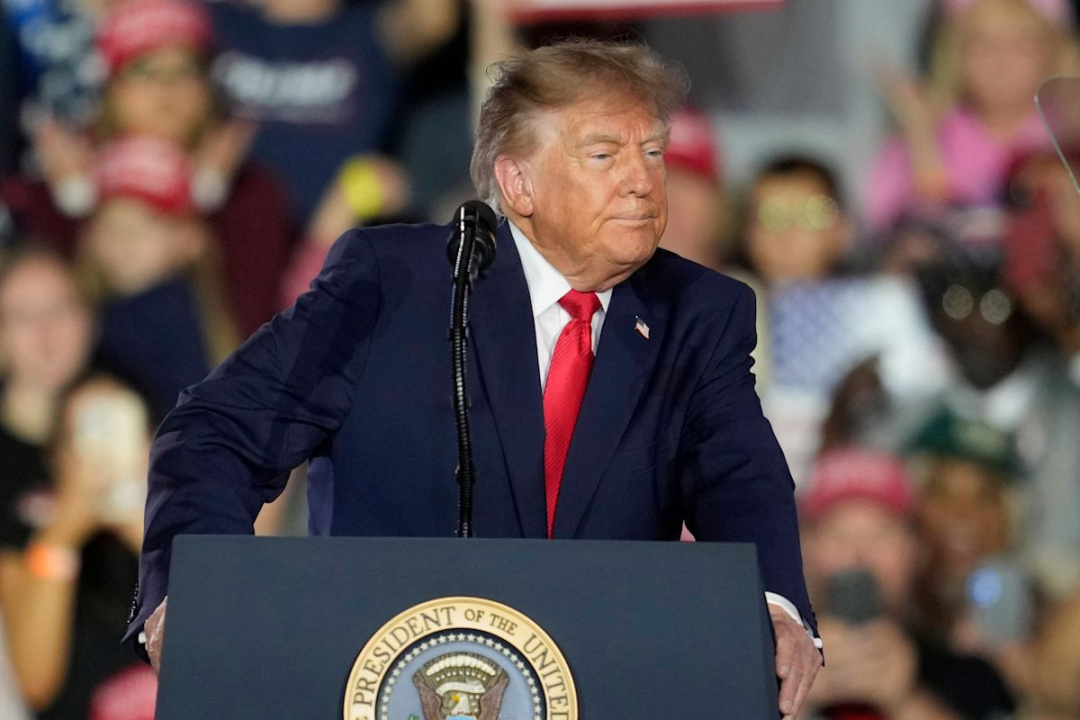
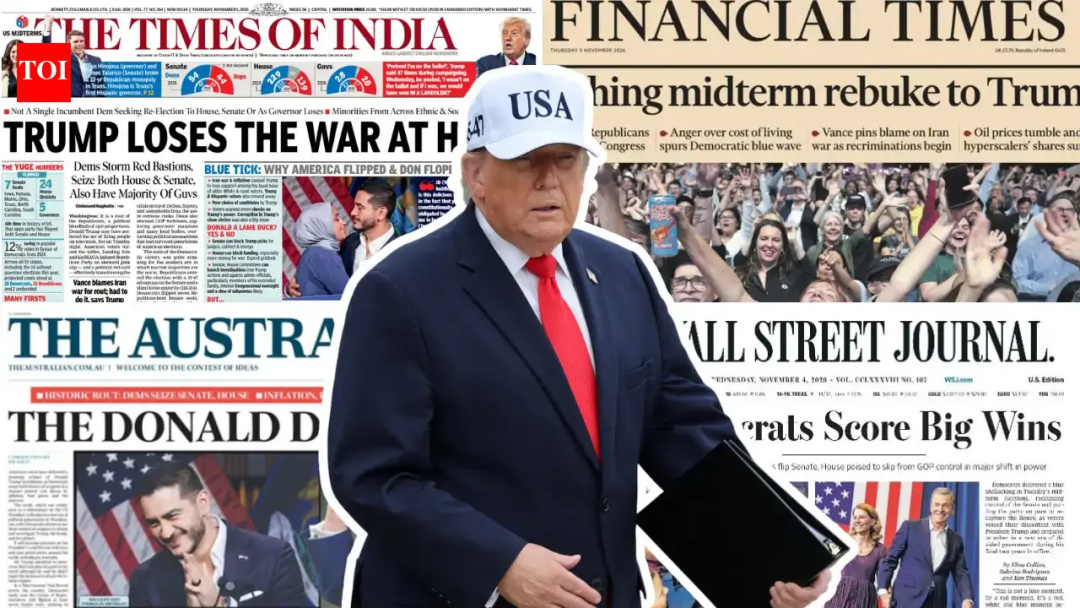
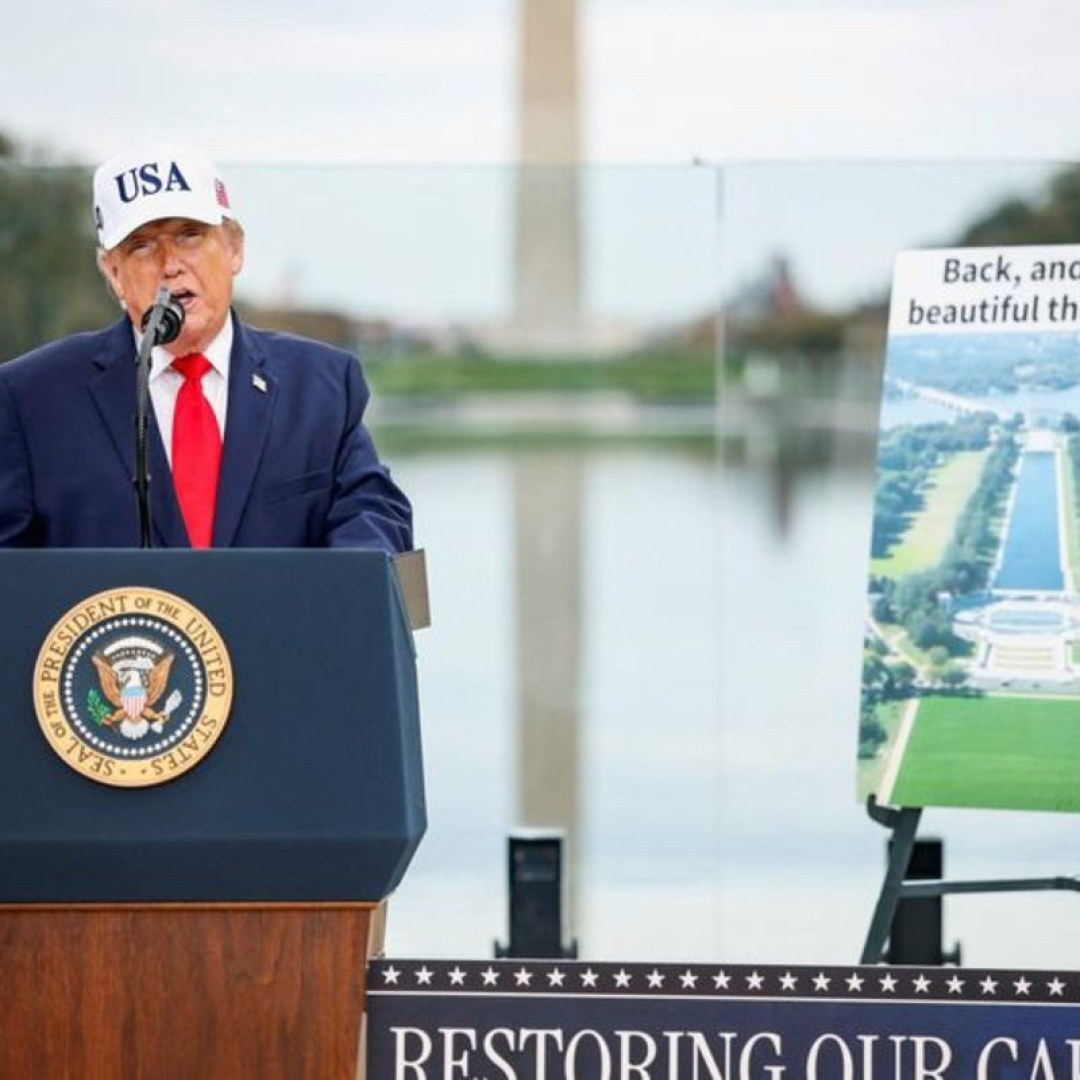
President Donald Trump spent two months urging Americans to treat the midterm elections as a referendum on his presidency. On election day, voters responded, delivering a significant rebuke to the Republican Party that rivals the worst defeats in decades. In states that Trump had previously dominated, Democrats flipped key Senate and gubernatorial seats, often by striking margins. This shift reflects a growing discontent with Trump's leadership and policies, which many voters now associate with rising prices and economic dissatisfaction.
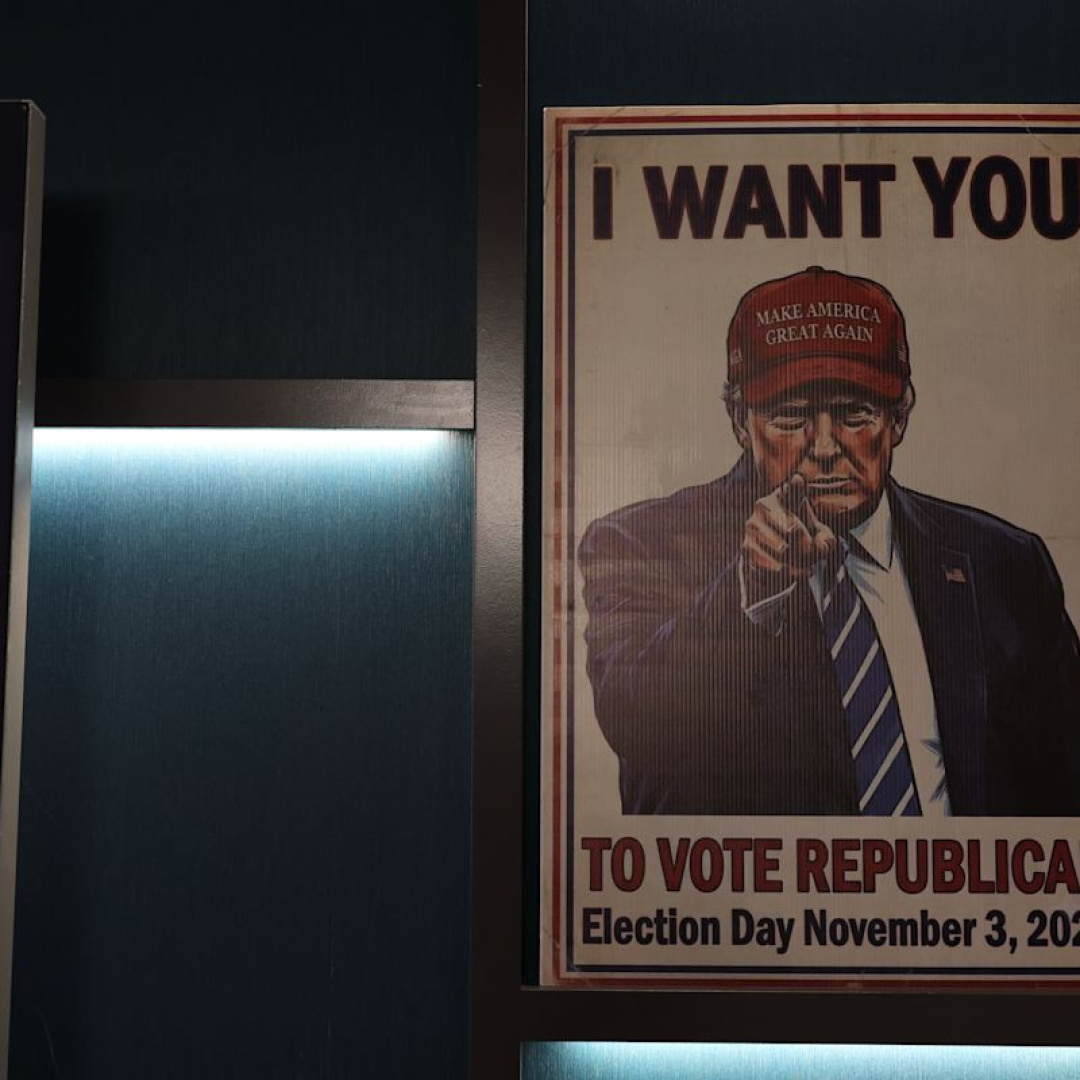
Republican consultant Mike Murphy described the election results as a "complete repudiation of the party as defined by Donald Trump." He likened Trump to "box office poison," suggesting that his presence has become detrimental to Republican candidates. Trump's insistence that the elections were about him left little room for others to distance themselves from his controversial policies, which have increasingly alienated voters.
Common Sense Shop
The United States of Common Sense
Amazon shopping links. Sponsor Complete!
Recent polls indicated that Trump's approval ratings had plummeted to historic lows, with many Americans expressing disapproval of his handling of the economy and foreign policy, particularly regarding tensions with Iran. His aggressive tariff policies and decisions have contributed to rising consumer prices, further fueling voter resentment. As Trump molded the GOP into his image, he demanded unwavering loyalty from party members, often sidelining those who disagreed with his approach.
The election results were stark: Democrats flipped at least seven Senate seats and over 25 House seats, along with several governorships. In Texas, for instance, Democrat James Talarico's victory over Trump's endorsed candidate Ken Paxton signified a shift in a state long considered a Republican stronghold. Similarly, in North Carolina, Democrat Roy Cooper not only secured a Senate seat but led by nearly 20 percentage points in a state Trump had previously won.
Voter Sentiment Shifts Against Trump
Trump's advisers had maintained that he was the key to Republican success, asserting that his ability to rally support would defy expectations. However, the reality proved otherwise, as many voters expressed a desire for a Democratic-led Congress to act as a check on Trump's agenda. This sentiment marked a significant shift from previous elections, where Republican control was often preferred.
As election night unfolded, Trump attempted to downplay the losses, stating, "I don't like to consider it a defeat for me. I wasn't on the ballot." This response starkly contrasted his previous assertions that the elections were a direct reflection of his leadership. White House officials echoed this sentiment, attributing the losses to the candidates rather than Trump's influence.
The Common Sense Test
The election results have raised questions about Trump's future role in the Republican Party and the broader implications for conservative politics. With many voters clearly dissatisfied with the current trajectory, the GOP faces a critical juncture. The party must reckon with the reality of Trump's influence and the need for a recalibration of its message and strategy moving forward.
As the dust settles from the midterm elections, the Republican Party must confront the lessons learned from this electoral setback. Trump's approach, which once energized a significant base, now prompts a reevaluation of strategies that prioritize voter concerns over personal loyalty. The path ahead will require a commitment to addressing the real issues facing Americans, rather than relying on the charisma of a single leader. The future of the GOP may depend on its ability to adapt and respond to the electorate's demands, ensuring that it remains a viable force in American politics.