Trump Warns Against Iran Strikes, Calls Nation 'Failing'
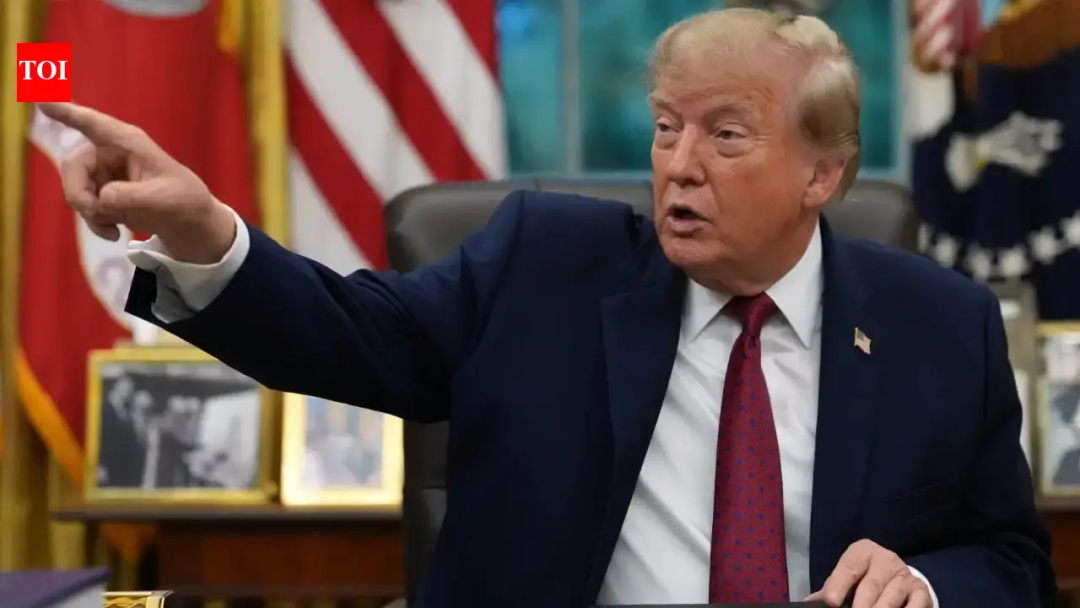
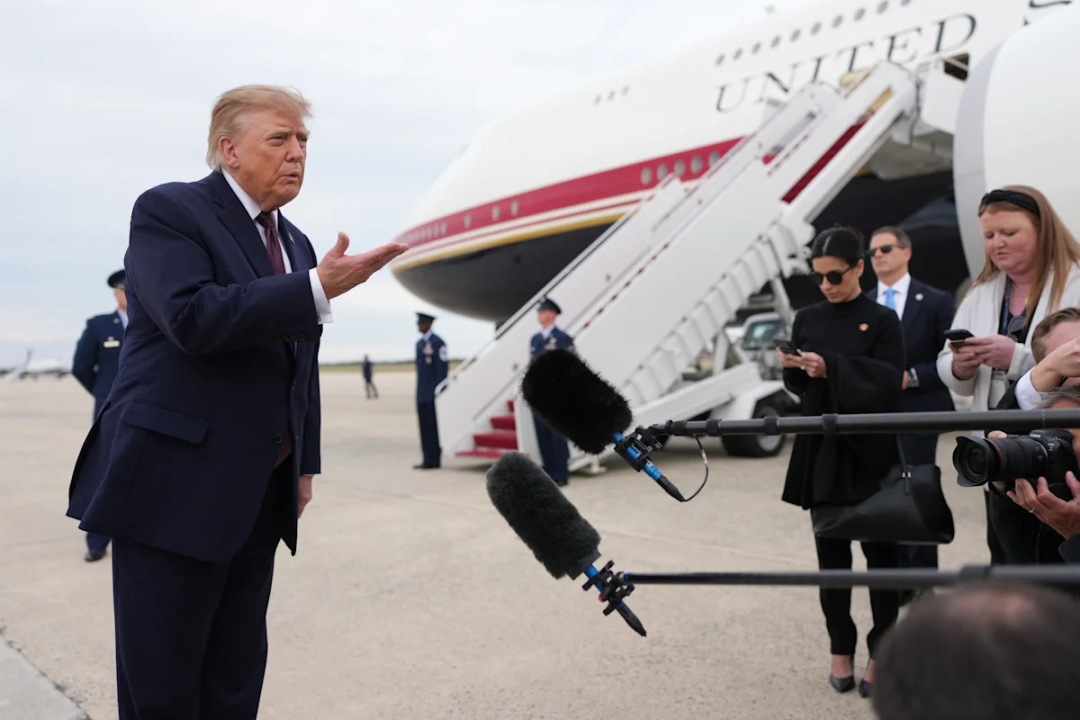
Former President Donald Trump has declared that it is "highly unlikely" he would authorize renewed military operations against Iran, contingent on Tehran making significant progress in negotiations regarding its nuclear program and the reopening of the strategic Strait of Hormuz. In a recent 20-minute telephone interview with CNN, Trump reiterated this point multiple times, emphasizing that military intervention would only be considered if Iran fails to sign what he termed a "very strong agreement." He stated, "The answer is highly unlikely it’s going to be necessary."
Trump pointed to the economic sanctions and previous military actions as having severely weakened Iran's capabilities, labeling the nation a "failing" one. He cited alarming statistics, including a reported 301% inflation rate, as evidence of Iran's deteriorating economic situation. "They’re withering away financially. We’ve hit them militarily. We could finish them off," Trump asserted, highlighting the effectiveness of U.S. strategies against Iran.
Common Sense Shop
The United States of Common Sense
Amazon shopping links. Sponsor Complete!
In discussing potential military action, Trump revealed that the U.S. has identified 38 Iranian bridges that could be targeted and destroyed within an hour if necessary. However, he expressed reluctance to proceed with such actions, stating, "I don’t want to do that because essentially, it’ll take 10 years to rebuild them. I don’t like ripping down bridges. And the hardest thing to build is a bridge. It takes years, and I’m a good builder."
Iran's Response to U.S. Military Threats
Meanwhile, Iranian officials have dismissed the notion that political changes in the U.S. could influence their stance towards America. Mohamed Mokhber, an adviser to Iran's Supreme Leader Ayatollah Ali Khamenei, urged the Iranian government to focus on strengthening its domestic economy rather than being swayed by U.S. electoral outcomes. Mokhber stated, "It is naive to tie our fate to Washington. It is necessary to mobilize our economic resources. Time is a national asset; it must not be wasted."
The Common Sense Test
In a parallel response, Brigadier General Shekarchi, spokesperson for Iran's Armed Forces, warned the U.S. against continuing what Tehran perceives as hostile policies. He claimed that America's military strategy has diminished its influence in the region, stating, "Any power that lines up against the solid, steadfast rock and the divine and steely will of Islamic Iran will have no end but collapse and disintegration in the world's public opinion."
The implications of Trump's remarks are significant as they reflect a broader strategy of deterrence and negotiation, positioning the U.S. as a formidable force while simultaneously advocating for diplomatic solutions. The ongoing dialogue about Iran's nuclear ambitions and military capabilities remains crucial for U.S. foreign policy and national security considerations.