California Challenges False Claims on Abortion Pill Reversal in Court

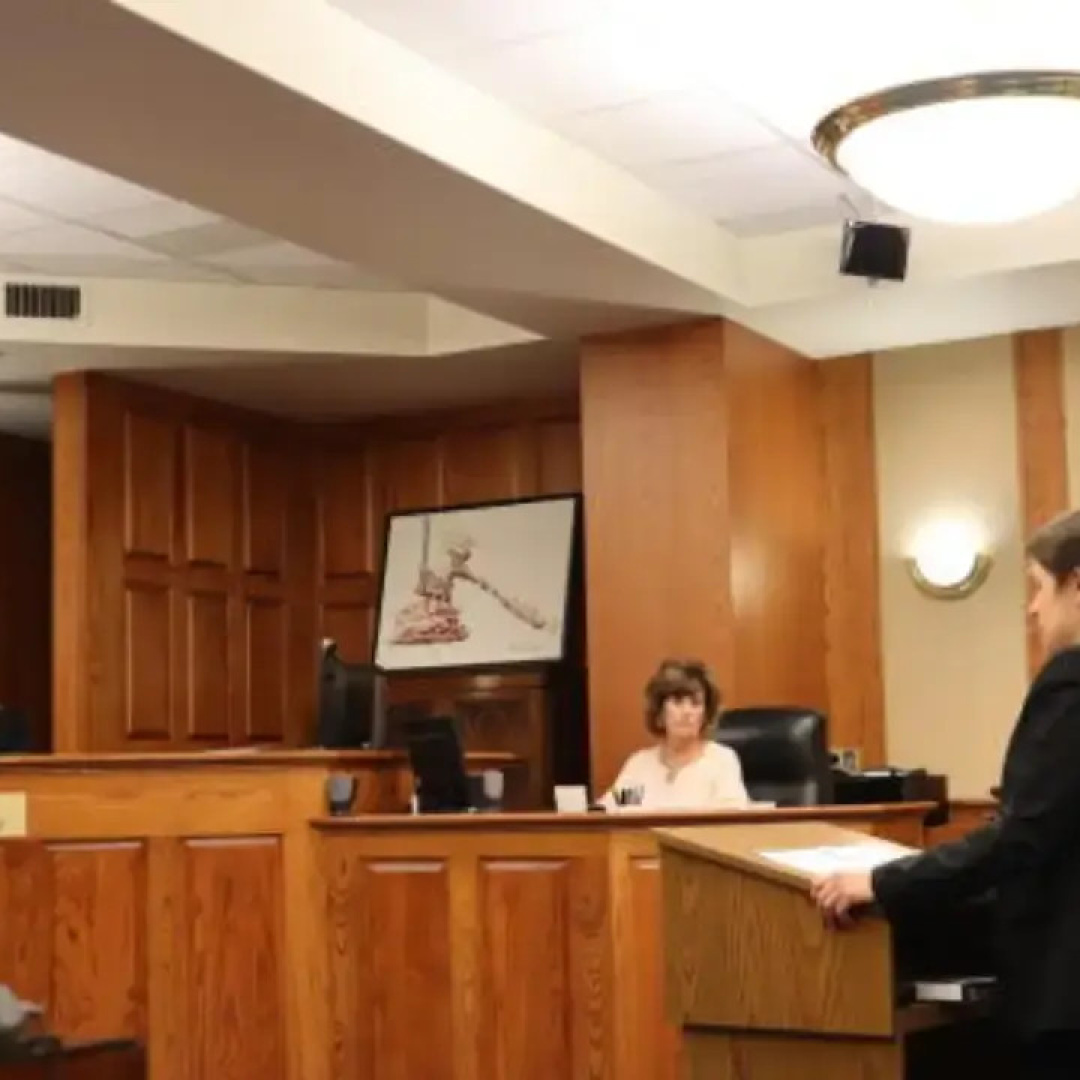
On September 17, California's Department of Justice wrapped up its arguments in a pivotal legal battle against RealOptions Obria and Heartbeat International, organizations accused of disseminating false claims about abortion pill reversal (APR). Attorney General Rob Bonta has characterized these claims as misleading and potentially harmful, emphasizing the need to protect consumers from deceptive advertising practices.
Abortion pill reversal involves administering a high dose of progesterone after taking mifepristone, the first drug in the FDA-approved medication abortion regimen, but before taking misoprostol, the second drug. However, this practice is widely criticized by medical professionals. The American College of Obstetricians and Gynecologists (ACOG) has labeled APR as "unethical" and lacking scientific backing. Notably, a controlled clinical study on APR was halted due to safety concerns after several participants experienced severe complications.
Common Sense Shop
The United States of Common Sense
Amazon shopping links. Sponsor Complete!
As highlighted by Jenifer McKenna and Carrie N. Baker in their analysis, many reputable medical organizations, including the American Medical Association and the Society for Maternal-Fetal Medicine, have denounced APR, urging action to safeguard pregnant individuals from misleading claims. These organizations argue that APR has become a tool for crisis pregnancy centers (CPCs) to persuade women to continue their pregnancies post-Dobbs decision.
CPCs often present themselves as independent health clinics, but they are typically part of a larger network affiliated with anti-abortion organizations. Reports indicate that many of these centers propagate conservative Christian ideologies, often lacking the medical oversight required of legitimate healthcare facilities. Consequently, they are not subject to the same regulations, which raises concerns about patient privacy and the accuracy of the information they provide.
In previous legal battles, courts have shown some sympathy to CPCs' claims of First Amendment protections regarding their speech. For instance, the Supreme Court's ruling in NIFLA v. Becerra invalidated California's FACT Act, which aimed to regulate misleading statements made by CPCs. This ruling has complicated California's efforts to provide accurate information about reproductive healthcare.
California's Legal Strategy Against Misleading Claims
In the current lawsuit, California is strategically framing its case against the CPCs as a challenge to false advertising rather than a broader regulation of speech. This approach aligns with established legal precedents that allow for the prohibition of objectively false or misleading commercial speech. The state argues that the defendants' promotional activities constitute commercial speech, as they are designed to attract patients to their services rather than merely expressing an anti-abortion viewpoint.
California's lawsuit aims to hold these organizations accountable for their misleading claims regarding APR, which the state contends have misled over 1,000 individuals into seeking this unproven treatment. The evidence presented during the trial included testimonies from 25 witnesses and nearly 200 exhibits, underscoring the extent of the misrepresentations.
The Common Sense Test
As the court prepares to issue its ruling by December 16, the outcome could have significant implications for the regulation of deceptive advertising practices by CPCs. A ruling in favor of California would reaffirm the principle that the First Amendment does not grant organizations the right to mislead individuals about their medical options, particularly in sensitive areas such as reproductive health.
The implications of this case extend beyond the immediate parties involved. A decision favoring California could serve as a precedent for future efforts to regulate misleading claims made by CPCs and similar organizations. As the public continues to grapple with the complexities of reproductive rights, ensuring that individuals have access to accurate and unbiased information remains paramount. The court's ruling will ultimately reflect the balance between protecting free speech and safeguarding the health and well-being of individuals seeking reproductive healthcare.