MAGA Loyalists Question Trump's Leadership After Midterm Setbacks
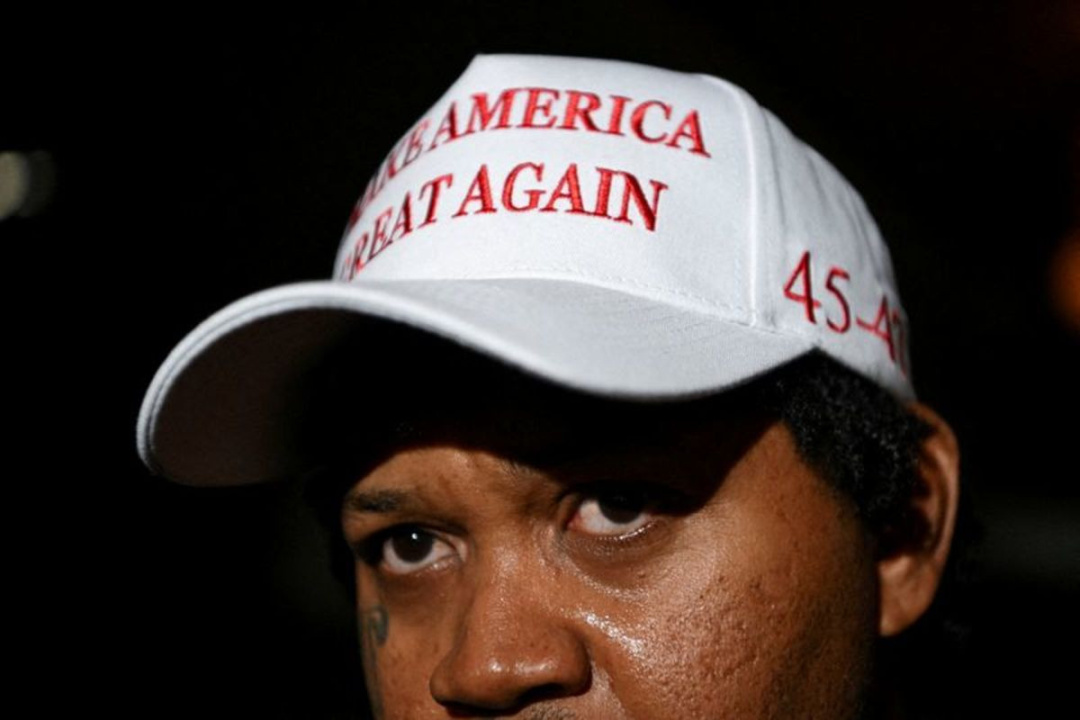
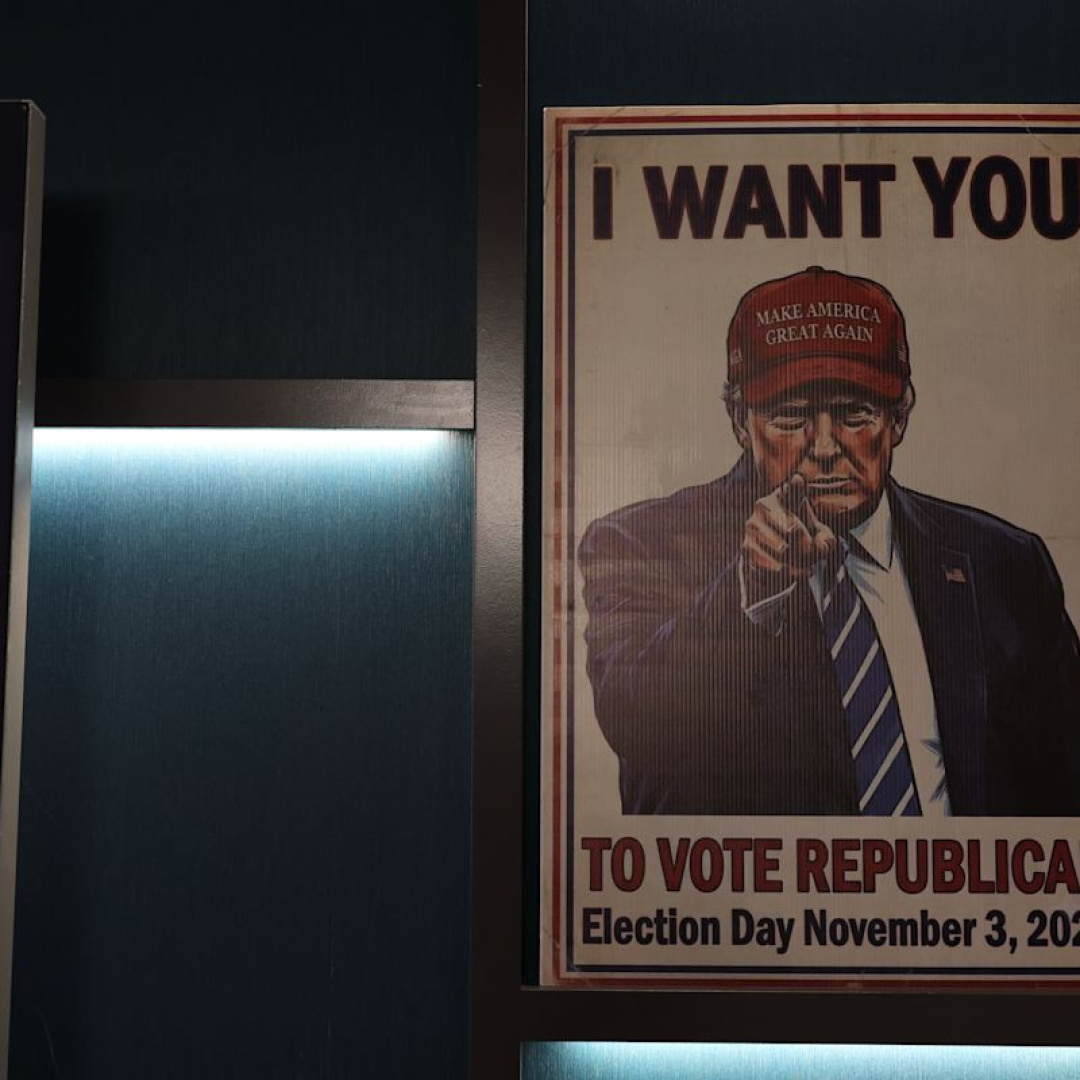
As Republicans faced a nationwide drubbing in the recent midterm elections, supporters exited a Dallas ballroom where they had hoped to celebrate a victory for US Senate candidate Ken Paxton, a Trump favorite. Michael Little, a 59-year-old businessman and three-time Trump voter, expressed a sentiment that many in the MAGA movement are feeling: "People are pissed off at Trump. Trump has cost us." This frustration reflects a growing concern among MAGA loyalists that the movement's future may be jeopardized by its leader's actions and the party's recent performance.
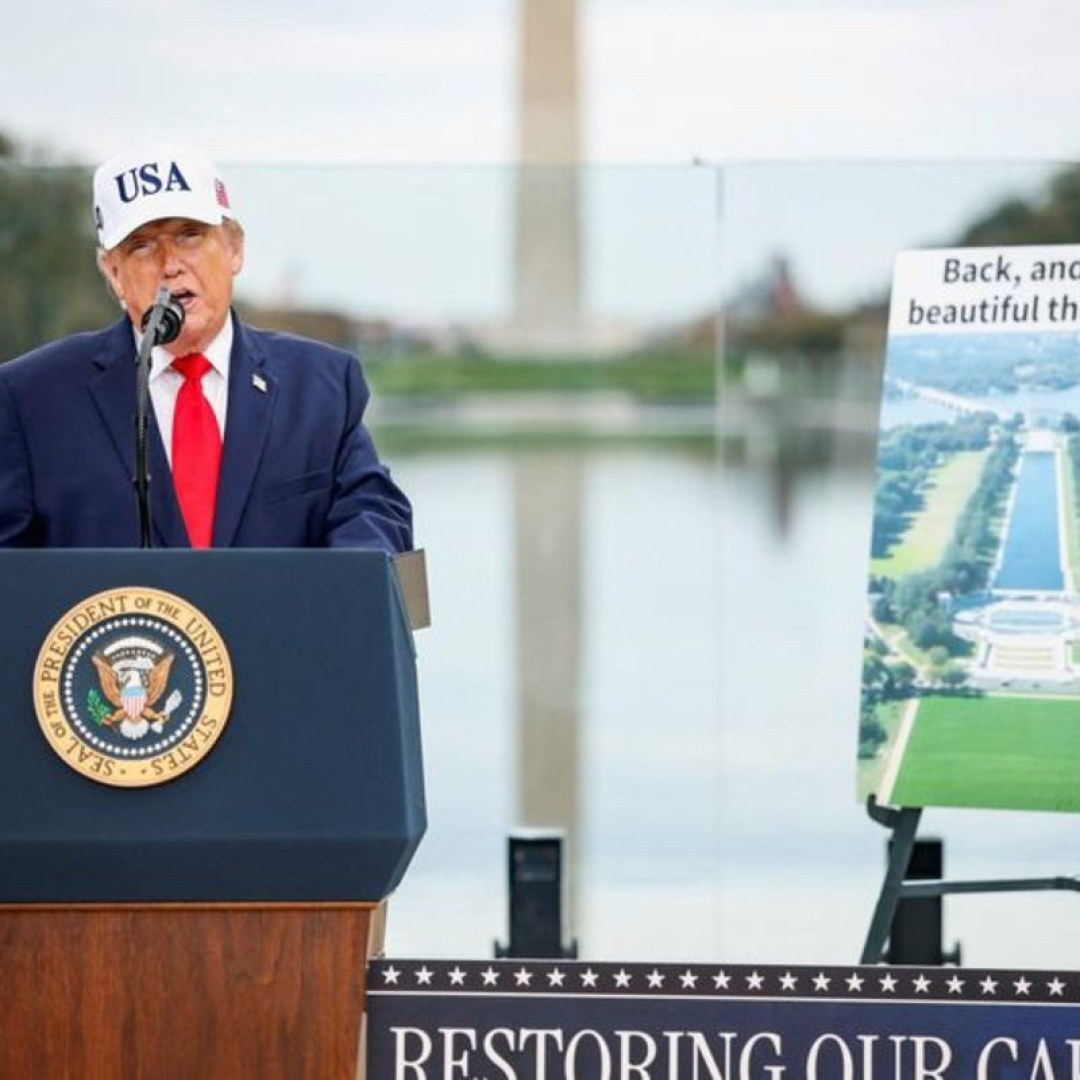
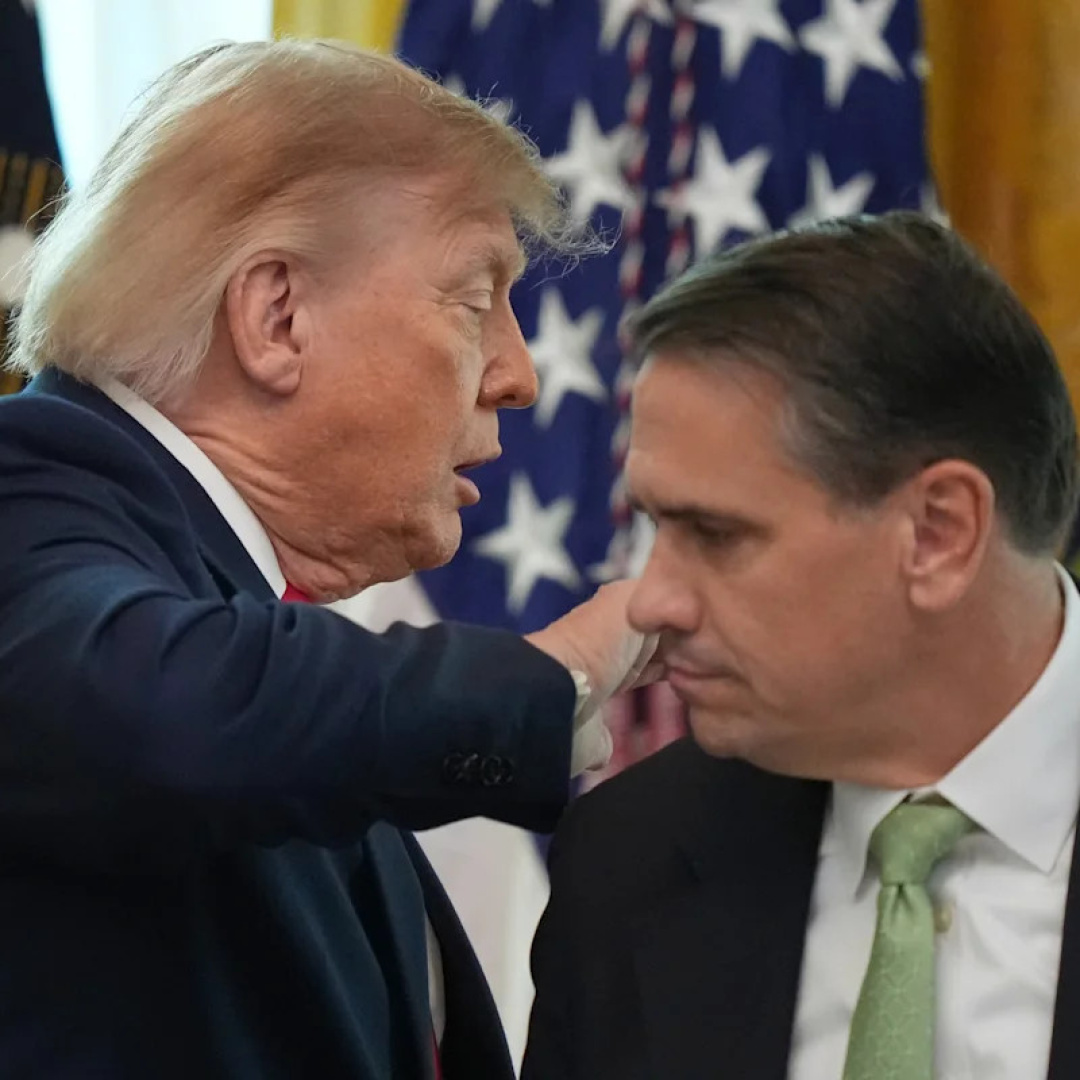
The midterm losses were not merely a setback for Trump but a referendum on the political and cultural movement he has championed since 2016. Voters disillusioned by rising fuel prices, the ongoing Iran war, and perceived corruption in Washington delivered decisive victories to Democrats, leaving the MAGA coalition grappling with its identity and effectiveness. Trump's immediate response to the election results was to double down on his core agenda, promoting Stephen Miller, a key architect of his hardline immigration policies, to chief of staff. This move was met with approval from some MAGA influencers who see it as a return to the movement's roots.
Common Sense Shop
The United States of Common Sense
Amazon shopping links. Sponsor Complete!
However, the White House has not directly addressed the reasons behind the electoral losses or the defeat of candidates who echoed Trump's false claims regarding the 2020 election. Instead, Trump claimed that if he were on the ballot, Republicans would have won, attributing some losses to external factors like the Iran war's impact on gasoline prices.
The MAGA movement has reshaped the Republican Party and influenced national debates on various issues, but the recent electoral defeats have sparked internal dissent. Interviews with MAGA activists and analysis of social media traffic reveal a faction of supporters questioning Trump's leadership and the direction of the movement. Some are calling for a return to the populist and nationalist principles that initially energized the base, while others suggest the movement should evolve beyond its association with Trump.
As discussions unfold in pro-Trump forums, a notable percentage of MAGA loyalists—over 20%—express doubts about the movement's leadership. Many blame Republican leaders and Trump's advisors for failing to address key voter concerns, especially regarding affordability and foreign conflicts. The sentiment is echoed by prominent voices within the movement, including Steve Bannon, who advocates for a more aggressive populist agenda.
Declining Enthusiasm Among MAGA Supporters
The midterm losses have also led to a decline in enthusiasm among Trump's most loyal supporters, with engagement on MAGA-related forums dropping significantly. This shift in sentiment raises questions about the future of the movement as it confronts the reality of its electoral performance. The Democratic victories have weakened the election denial narrative that has been central to MAGA politics, as candidates who embraced these claims suffered significant losses.
The implications of these midterm results extend beyond immediate electoral concerns; they challenge the foundational beliefs that have united the MAGA movement. As Trump faces a Congress with substantial Democratic majorities, the path forward for MAGA remains uncertain. While some leaders within the movement insist that Trump's base remains crucial for future Republican candidates, others fear that the movement's identity may be irreparably altered by recent events.
The Common Sense Test
The internal divisions within the MAGA movement highlight a critical juncture. Prominent figures like Senator Ron Johnson have begun to openly criticize Trump, suggesting that corruption exists within the former administration. Meanwhile, Republican Representative Marlin Stutzman has labeled Trump's promotion of Miller as a misstep, reflecting broader concerns about the party's direction. As the MAGA coalition reassesses its priorities, the focus may shift towards addressing the economic issues that have resonated with voters.
The midterm elections have tested the unity of the MAGA movement, revealing fractures that could reshape its future. With key voices within the movement advocating for a reevaluation of strategies and leadership, the question remains: can MAGA adapt to the changing political landscape, or will it falter under the weight of its own expectations? As the movement seeks to regain momentum, it must confront the reality of its electoral setbacks and the evolving demands of its supporters.