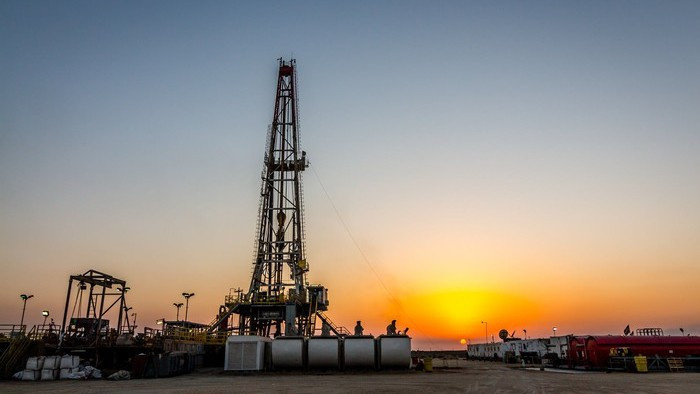
U.S. Drilling Rigs Increase Slightly Amid Falling Oil Prices

According to new data released by Baker Hughes, the total number of active drilling rigs for oil and gas in the United States has seen a slight increase, rising to 604 this week. This marks an increase of 56 rigs compared to the same time last year. The number of active oil rigs rose by one to 463, which is 49 more than last year, while gas rigs also increased by one to 131, just three above last year's count. However, miscellaneous rigs fell by one, bringing the total to 10.
In addition to the rig count, the latest data from the Energy Information Administration (EIA) revealed that U.S. crude oil production reached a new record, climbing to 14.003 million barrels per day (bpd) during the week ending October 30. This figure is an increase from the previous week's production of 13.992 million bpd and a rise of 352,000 bpd compared to the same week a year ago.
Common Sense Shop
The United States of Common Sense
Amazon shopping links. Sponsor Complete!
Despite these increases in drilling activity and production, the energy sector is facing challenges as the Primary Vision’s Frac Spread Count, which estimates the number of crews completing wells, dropped for the third consecutive week, losing three crews and falling to 191. Nevertheless, this number is still up by 16 year-over-year.
Notably, the Permian Basin, a key area for oil production, saw its rig count rise by one to 273, which is 22 rigs above the level from a year ago. Meanwhile, the Eagle Ford rig count remained steady at 50, still eight more than this time last year.
Impact of Falling Oil Prices on Drilling
Oil prices have been volatile, with Brent crude trading at $97.32 per barrel, down nearly $20 from the previous week. West Texas Intermediate (WTI) also saw a decrease, trading at $90.00, down about $14 per barrel from the prior week. This significant drop in prices raises questions about the sustainability of current drilling levels and the overall health of the U.S. energy sector.
The Common Sense Test
As the energy market grapples with fluctuating prices, the implications for future drilling and production strategies remain uncertain. The slight increase in rig counts may suggest a cautious optimism among drillers, but the sharp decline in oil prices could prompt a reevaluation of investment and operational strategies moving forward. The balance between maintaining production levels and managing costs will be crucial as the industry navigates these challenging economic conditions.
The recent data from Baker Hughes serves as a reminder of the complexities facing the U.S. oil and gas industry. While the uptick in drilling rigs and record production levels are encouraging, the rapid decline in oil prices presents a significant challenge. Stakeholders in the energy sector must remain vigilant and adapt to these market dynamics to ensure long-term viability. With the ever-changing landscape of energy production, it is essential to prioritize sensible policies that support domestic energy independence and economic stability.