Trump Backs Hegseth Despite Political Pressure After Midterms
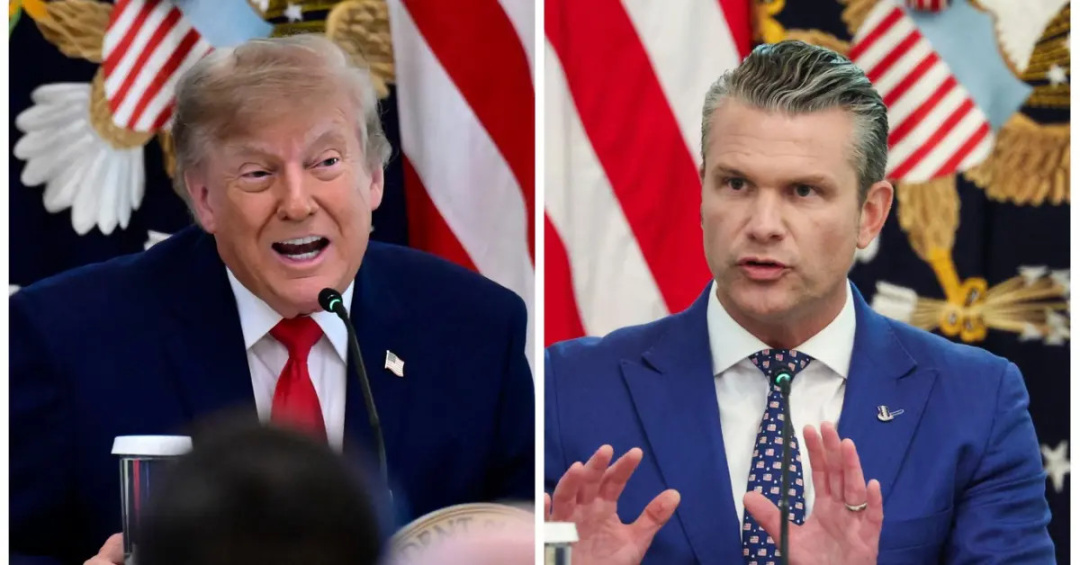
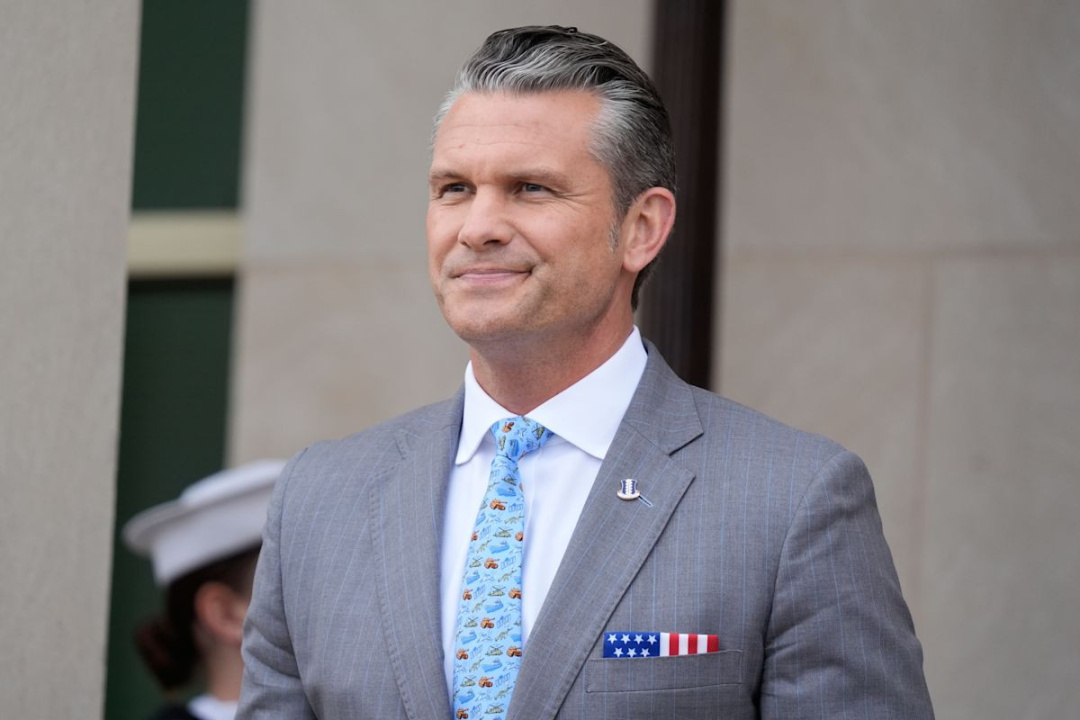
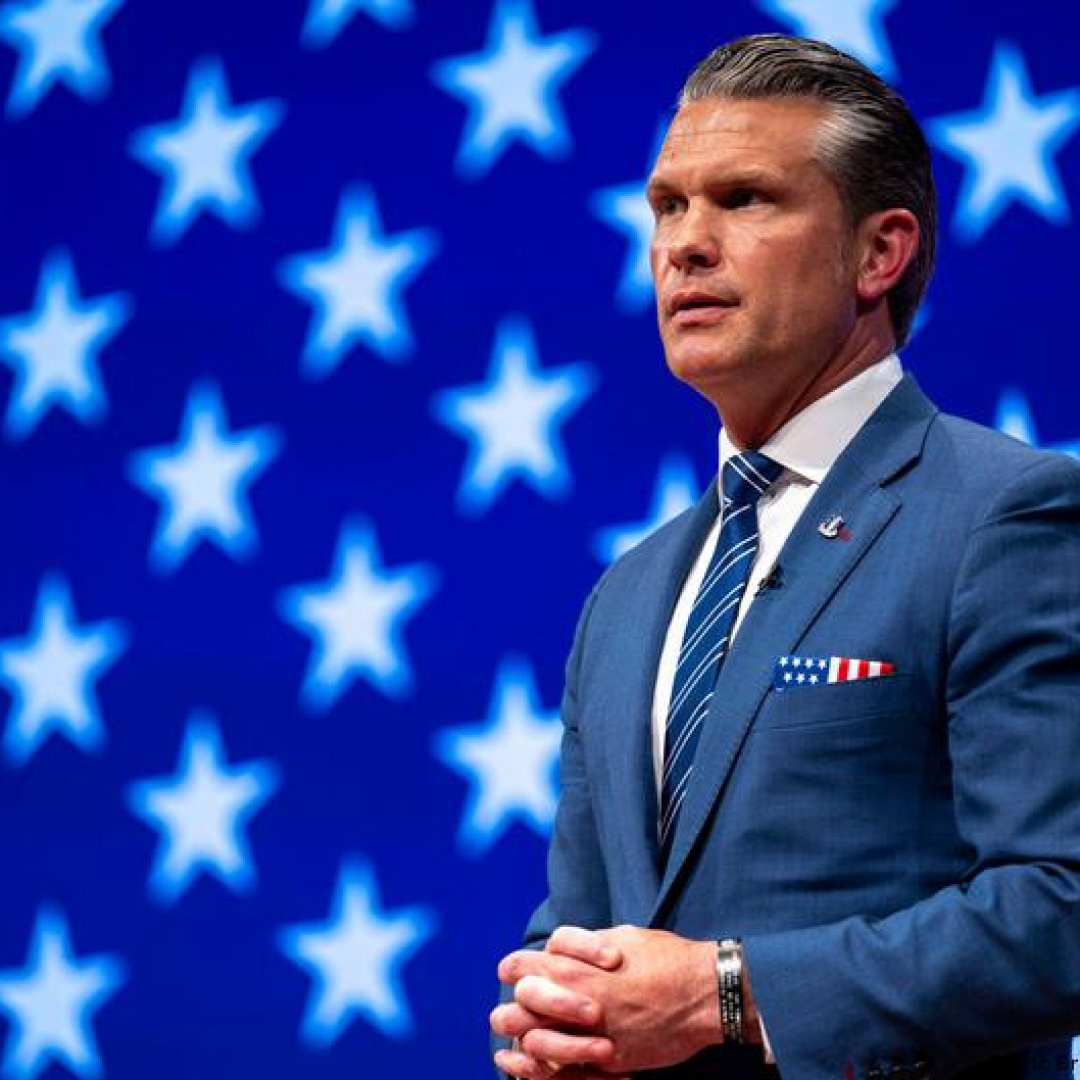
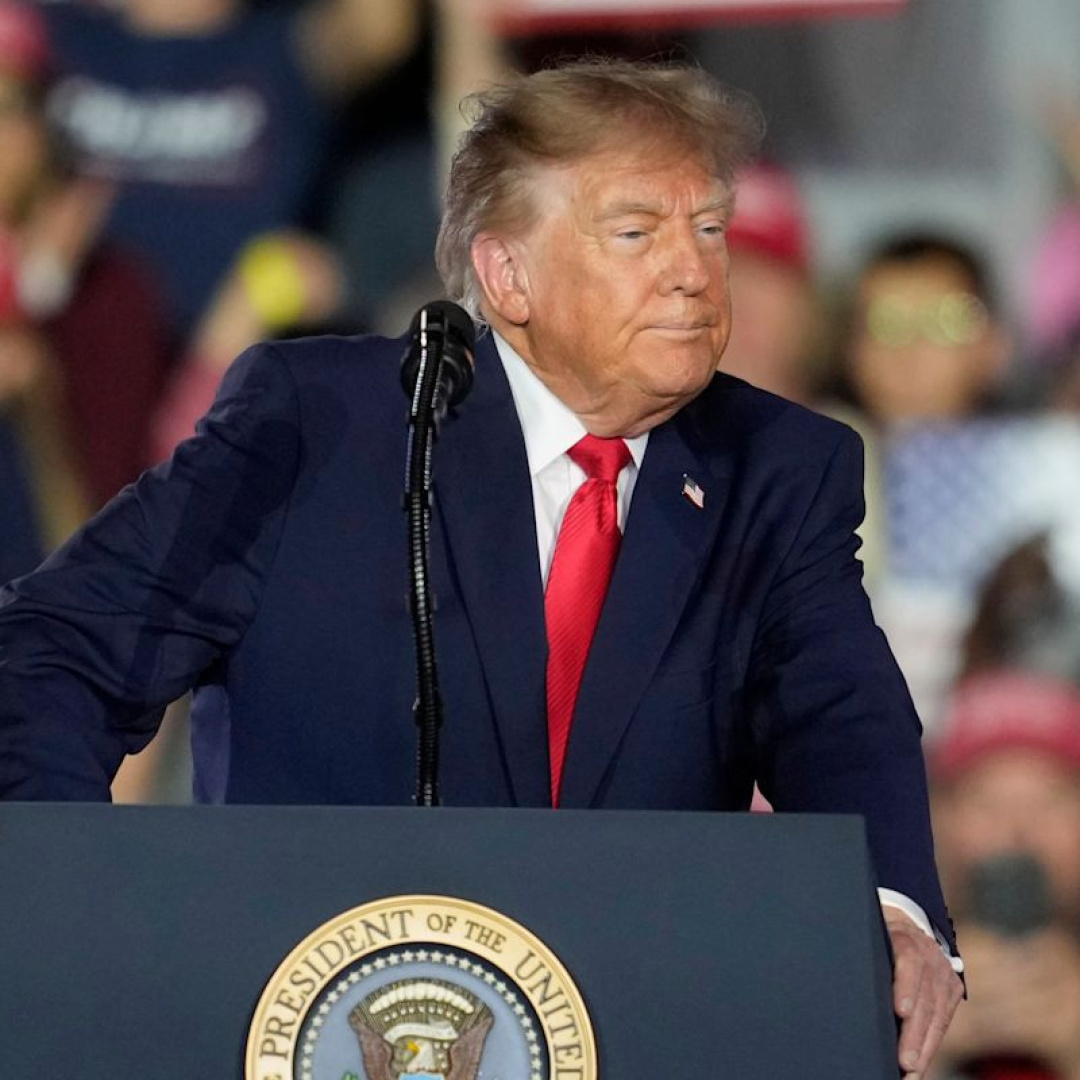
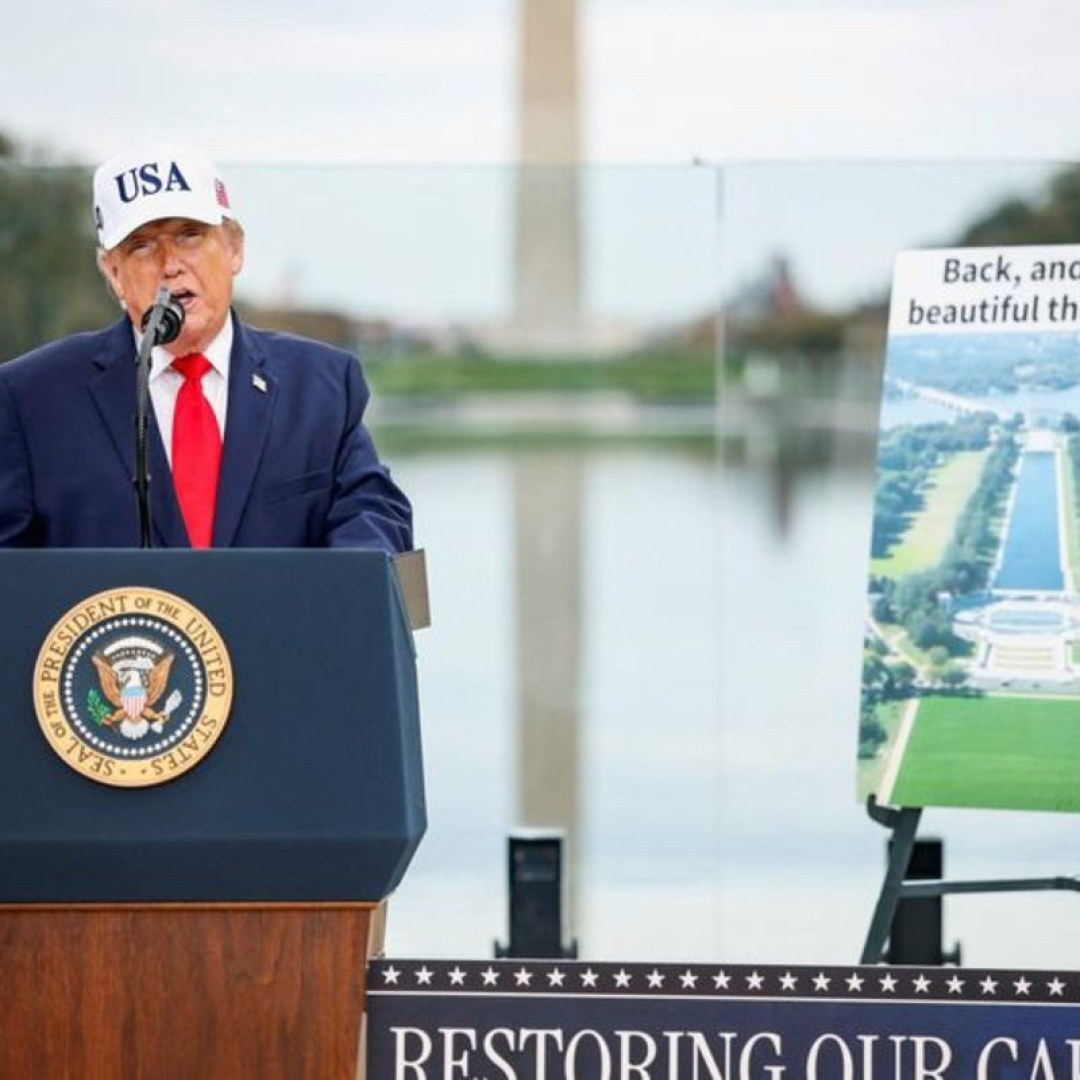
In a show of solidarity, President Donald Trump defended Defense Secretary Pete Hegseth on November 4, 2026, amid growing political pressure following the Republican Party's significant losses in the midterm elections. Trump, speaking at the White House, dismissed any thoughts of replacing Hegseth, asserting, "No, I think he's doing a very good job." This statement comes as the Democrats have gained control of both chambers of Congress, setting the stage for increased scrutiny of the Pentagon and the administration's strategies, particularly regarding the ongoing conflict in Iran.
Senator Thom Tillis of North Carolina has voiced concerns about Hegseth's future, suggesting that the defense secretary faces a critical reckoning with lawmakers. He noted that Hegseth's relationship with Congress could undermine efforts to secure a proposed $1.5 trillion defense spending package. Tillis's comments reflect a broader sentiment within the Republican Party, where some members are questioning Hegseth's ability to navigate the new political landscape effectively.
Common Sense Shop
The United States of Common Sense
Amazon shopping links. Sponsor Complete!
Trump's defense of Hegseth comes at a time when the administration is grappling with the political fallout from the Iran war, which has contributed to rising living costs and fuel prices—issues that have resonated with voters. Despite acknowledging the political ramifications of the conflict, Trump reiterated his commitment to preventing Iran from developing nuclear weapons, stating that he would make the same decisions again if faced with similar circumstances.
The pressure on Hegseth is compounded by the potential for impeachment proceedings. Representative Thomas Massie from Kentucky has filed articles of impeachment against Hegseth, accusing him of overstepping his authority by initiating military actions against Iran without congressional approval. Massie has indicated plans to push for a House vote on this matter when Congress reconvenes, further complicating Hegseth's position.
As Democrats prepare to investigate Hegseth's leadership at the Pentagon, they are likely to focus on the administration's military strategies and decisions regarding senior military personnel. These inquiries could lead to significant challenges for Hegseth as he attempts to maintain support for defense initiatives in a more hostile congressional environment.
Hegseth's Future Amid Political Scrutiny
With the new congressional balance of power set to take effect in January, the scrutiny on Hegseth is expected to intensify. Trump has hinted at Hegseth's potential political future, suggesting that he could be a strong candidate for the Senate seat that will be vacated by Senator Marsha Blackburn, who recently won the gubernatorial election in Tennessee. Trump remarked, "I think he's doing a very good job, and I actually think he'd be very popular if he did that," although he clarified that he had not heard any formal proposals regarding Hegseth's candidacy.
As the political landscape shifts, Hegseth's ability to navigate this new reality will be crucial. The coming months will reveal whether he can maintain his position amidst the increasing scrutiny from both parties and whether Trump's support will be enough to shield him from the mounting challenges ahead.
The Common Sense Test
Ultimately, the situation surrounding Pete Hegseth serves as a litmus test for the Republican Party's cohesion and direction in the aftermath of the midterm elections. As Trump continues to back Hegseth, the question remains whether this support will translate into tangible political capital or if the defense secretary will find himself increasingly isolated as Congress shifts its focus to oversight and accountability. The implications of these developments will resonate far beyond the Pentagon, affecting national security policy and the Republican Party's future strategy in a rapidly evolving political landscape.