Independent Voters Shape Midterm Elections Beyond the Blue Wave
The recent midterm elections have been widely characterized as a 'blue wave' for the Democratic Party, signaling a resurgence after their previous defeat. However, this narrative overlooks a critical factor: the substantial influence of independent voters. Jeremy Gruber, senior vice president at Open Primaries, emphasizes that independents have become the 'kingmakers' of American politics, with their numbers now surpassing those of registered Republicans and Democrats. Currently, 45% of Americans identify as independents, a notable increase from 34% in 2002, and their voting patterns were pivotal in key races this election cycle.
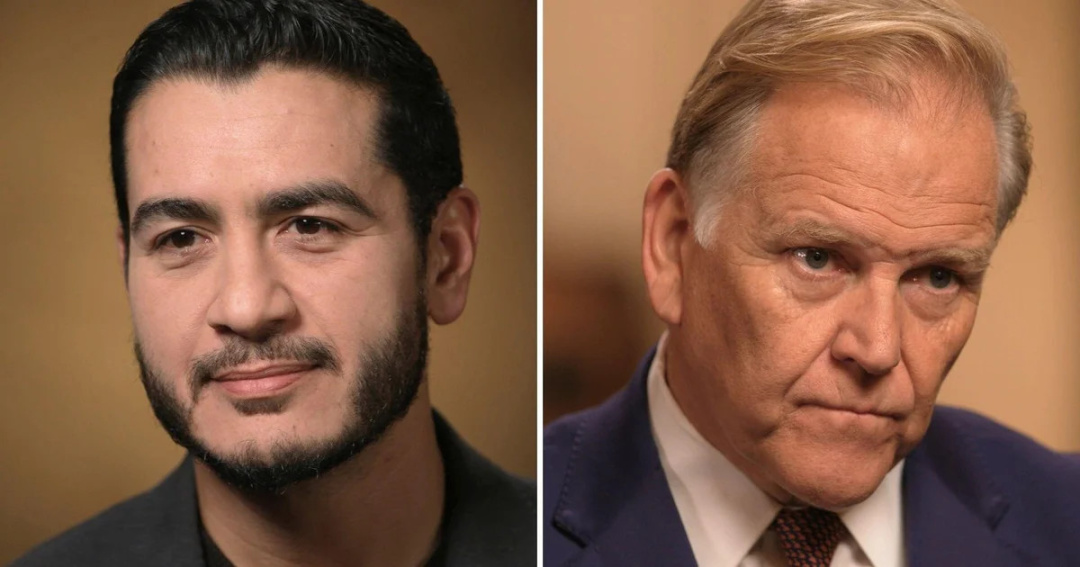
In Kansas, nearly 70% of independents supported Democrat Adam Hamilton, while in Texas, Democrat James Talarico garnered nearly two-thirds of independent voters. This trend indicates that Republicans struggled to secure the independent votes necessary for success, winning only 38% of this crucial demographic when they needed 46% to perform well, according to early analyses by NPR.
Common Sense Shop
The United States of Common Sense
Amazon shopping links. Sponsor Complete!
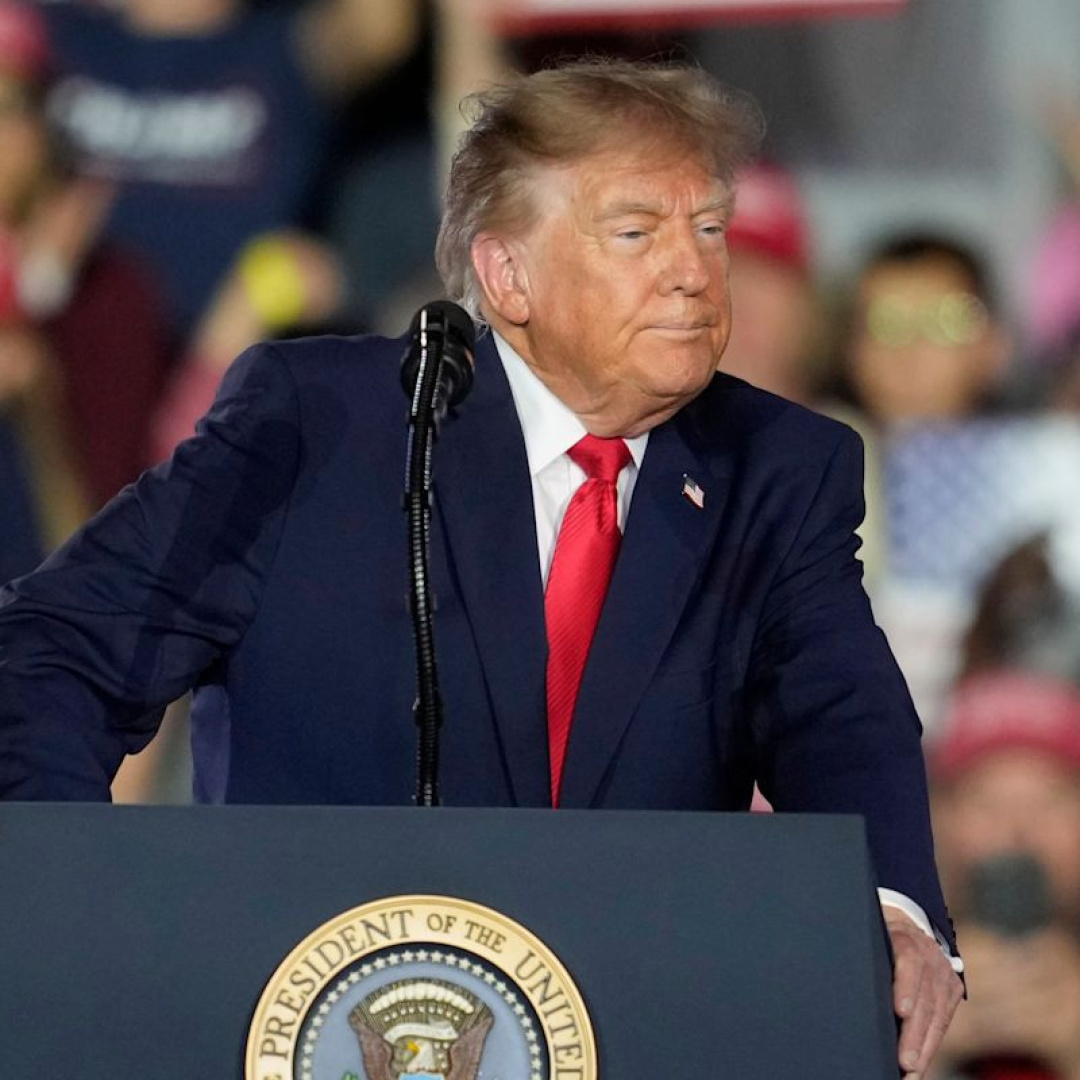
Despite the Democratic victories that now grant them control of both the Senate and the House, Gallup research reveals a paradox: only 43% of Americans hold a favorable view of the Democratic Party. This suggests that the midterms were not a clear endorsement of the Democrats but rather a rejection of Republican candidates, particularly those aligned with former President Donald Trump. Gruber notes that many independents who voted for Democrats did so primarily as a vote against Trump and the Republican agenda, rather than out of loyalty to the Democratic Party.
Interestingly, while independents may lean slightly more towards the Democratic Party when asked, their overall sentiment remains mixed. The AP Voter Poll indicates that only about half of voters had a favorable view of the Democratic Party, with a significant portion of those supporting Democratic candidates expressing negative feelings towards the party as a whole. This highlights the precarious nature of independent voter support and their potential to swing back to Republican candidates in future elections.
The ideological diversity among independents further complicates the political landscape. Many independents are moderate, but some lean progressive or conservative. This spectrum reflects a broader dissatisfaction with both major parties, as noted by Yanna Krupnikov, a communication professor at the University of Michigan. She suggests that independents are often motivated by a distaste for partisanship and a desire for effective problem-solving rather than strict adherence to party lines.
Independents Demand Change in Political Leadership
As independents continue to gain prominence, their dissatisfaction with the current political climate could lead to significant shifts in future elections. Gruber points out that independents are seeking candidates who prioritize solutions over partisan rhetoric, indicating a growing frustration with the political status quo. This sentiment was particularly evident in the 2024 campaign, where support for Trump among independents dropped from 43% to about 25% by mid-2025.
The demographic shifts among independent voters are also noteworthy. For instance, Latino voters, who have shown fluctuating support for the GOP, favored Democratic House candidates by a significant margin in the recent elections. This trend underscores the need for both parties to engage with independent voters meaningfully, as their preferences could dictate future electoral outcomes.
The Common Sense Test
As the political landscape evolves, figures like actor Matthew McConaughey have begun to highlight the importance of independent voters, suggesting that they could play a crucial role in shaping future legislation. However, despite their growing influence at the ballot box, independents have struggled to translate their numbers into successful candidacies, with no independents winning House or Senate seats in the recent elections.
The increasing visibility of independent voters signals a potential shift in American politics, one that both major parties must heed. As Gruber warns, the parties need to build relationships with independents, who have proven they can sway election outcomes. The midterm results serve as a clear message: both Democrats and Republicans must adapt to the changing political landscape, or risk losing the support of this increasingly powerful voter bloc.