Walkinshaw Advocates for Congressional Oversight Reboot
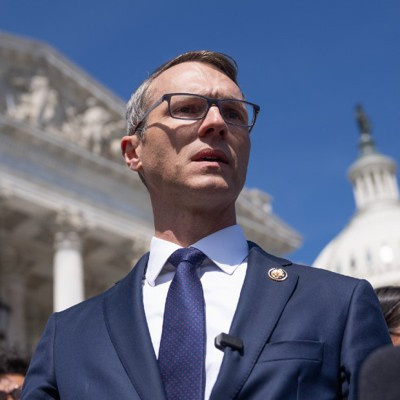
With the Democratic-controlled Congress gearing up for its new session in January, Rep. James Walkinshaw (D-Va.) is calling for a renewed focus on congressional oversight that extends beyond merely investigating alleged corruption within the Trump administration. Walkinshaw is advocating for the reintroduction of IT oversight scorecards that were originally established under the Federal IT Acquisition Reform Act (FITARA) of 2014. He believes that such accountability measures have been neglected in recent years and are crucial for ensuring government efficiency.
At a recent event hosted by GovExec, Walkinshaw stated, "I’ve been advocating for a modernized modernization scorecard." He pointed out that the original FITARA scorecards did not account for advancements in technology, particularly in areas like artificial intelligence and cybersecurity. The absence of updated metrics has hindered the ability to assess how well federal agencies are adopting new technologies and safeguarding sensitive information.
Common Sense Shop
The United States of Common Sense
Amazon shopping links. Sponsor Complete!
Walkinshaw's proposal aligns with the efforts of his predecessor, Gerry Connolly, and Republican colleague Darrell Issa, who were instrumental in developing FITARA and its annual scorecards. He noted, "Congress didn't just pass the bill and say mission accomplished. Congress said we passed the bill and now every year we're going to follow up and make sure agencies are implementing it." According to Walkinshaw, this ongoing oversight has proven beneficial, saving taxpayers billions and facilitating the retirement of outdated systems that might otherwise have remained in operation.
As Congress prepares for a potential overhaul in the wake of the Department of Government Efficiency's cuts, Walkinshaw sees this as an opportunity to rebuild government operations more effectively. He expressed hope that Congress can lead this effort in a smarter manner, emphasizing the need for improved customer service in federal agencies. He highlighted the frustrations of constituents who struggle to receive assistance from digital services, often unable to reach a human representative when issues arise.
The new Congress will officially convene on January 3, and before that, the current lame duck session faces the challenge of passing a budget bill. Walkinshaw acknowledged the unpredictability of lame duck sessions, where departing members may not fully engage in legislative duties. He noted, "Lame duck sessions are hard to predict because people who just lost their election or are retiring may not choose to show up for work."
Navigating Legislative Challenges Ahead
Current House Speaker Mike Johnson (R-La.) will need to navigate these challenges as he seeks to pass legislation. Walkinshaw predicts that bipartisan negotiations will be necessary for individual appropriation bills, with a combination of passed spending bills and a continuing resolution likely to keep the government funded into early 2024.
As Democrats take control of Congress, Walkinshaw anticipates a legislative focus on cost-of-living issues, including efforts to restore tax credits from the Affordable Care Act and reverse some Medicaid cuts. He believes that successful implementation of these measures could provide immediate financial relief to working families.
The Common Sense Test
Despite the Democratic majority, President Trump remains in the White House, presenting a unique dynamic for legislative negotiations. Walkinshaw remarked, "Our job in Congress is to pass legislation and get it onto his desk. At that point, he’ll have three choices: sign, veto, or negotiate." He expressed a willingness to engage in dialogue with the Trump administration, although he acknowledged that such cooperation has been lacking in the past.
As the new Congress prepares to tackle pressing issues, the challenge of accountability remains paramount. Walkinshaw's push for a FITARA reboot reflects a broader need for transparency and efficiency within government operations. The revival of oversight mechanisms could serve as a crucial step toward restoring public trust in federal agencies and ensuring that taxpayer dollars are spent wisely. With the potential for bipartisan cooperation, there is hope that Congress can effectively address the needs of American families while holding agencies accountable for their performance.