House Republicans Block Impeachment of Defense Secretary Hegseth
In a significant move, the Republican-controlled U.S. House of Representatives voted on Tuesday to block articles of impeachment against Defense Secretary Pete Hegseth, effectively shelving the effort for the time being. The articles were sent back to the Judiciary Committee, where GOP leaders can delay any further action until the new Congress convenes in January 2027.
Democrats, who unanimously opposed the decision to shelve the impeachment articles, are poised to take control of the House next year after winning at least 255 seats in the recent midterm elections. Democratic Rep. Hakeem Jeffries, the minority leader expected to become House speaker, has already indicated that one of their first actions will be to pursue the removal of Hegseth from office.
Common Sense Shop
The United States of Common Sense
Amazon shopping links. Sponsor Complete!
Rep. Thomas Massie, a Republican from Kentucky, reintroduced the impeachment articles, accusing Hegseth of committing "high crimes and misdemeanors" by allegedly violating the War Powers Resolution and conducting military operations without congressional authorization. On this vote, Massie was the only Republican to break ranks, choosing to support keeping the articles alive.
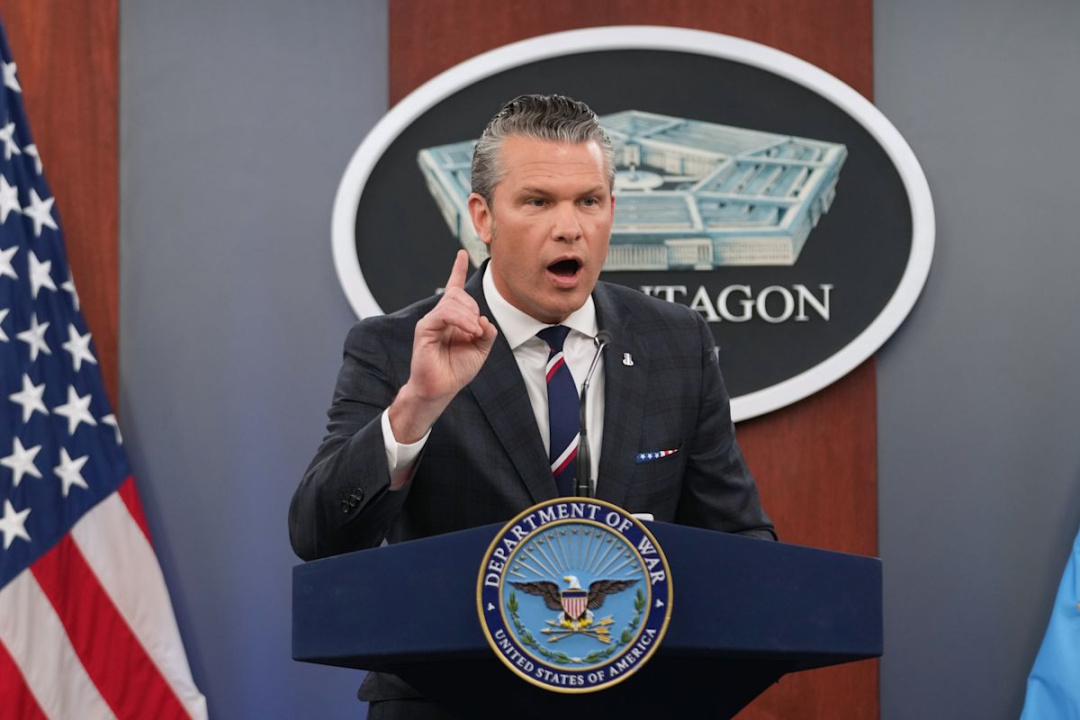
Hegseth responded defiantly during a Pentagon news briefing, dismissing the impeachment efforts as a "farce" and asserting that the allegations stem from partisan policy disagreements rather than legitimate high crimes. He emphasized that the proper remedy for policy disagreements should be legislation, not impeachment, and criticized the efforts as a political spectacle driven by personal vendettas.
The impeachment discussions come amid ongoing scrutiny of Hegseth's handling of military operations, particularly regarding the controversial U.S. involvement in Iran. Massie has argued that Hegseth's actions pose a threat to the Constitution, asserting that he has acted unlawfully in initiating military actions without the necessary congressional approval.
As the political landscape shifts with the upcoming Democratic majority, the future of Hegseth remains uncertain. Democrats are expected to leverage their control to launch investigations into various aspects of the Trump administration, with Hegseth's role in military policy likely to be a focal point. Meanwhile, President Trump has publicly supported Hegseth, praising his performance and dismissing the impeachment efforts as unfounded.
This political drama unfolds as Congress enters a lame-duck session following the midterm elections, where the GOP faced significant losses. The implications of Hegseth's potential impeachment and the broader ramifications for military policy are yet to be fully realized, but the stakes are high as both parties prepare for a contentious legislative session ahead.
Political Implications of Hegseth's Impeachment
Hegseth's impeachment saga is not just a matter of individual accountability; it reflects the broader ideological battle within Congress. With Democrats vowing to pursue the impeachment once they regain control, the GOP's decision to block it now may be a tactical retreat, allowing them to regroup before facing a more aggressive opposition.
As discussions of military policy and executive accountability take center stage, the question remains: will Hegseth's actions lead to a significant shift in how military operations are authorized and conducted? The upcoming Congress will undoubtedly shape the narrative around military engagement and the limits of executive power, making Hegseth's situation a critical issue for both parties moving forward.
The Common Sense Test
Ultimately, the impeachment efforts against Hegseth raise essential questions about the balance of power in government and the accountability of public officials. As the new Congress prepares to take office, how they address these issues will be crucial in determining the future of U.S. military policy and the integrity of the legislative process. The political theater surrounding Hegseth's impeachment may serve as a litmus test for the effectiveness of governance in a deeply divided Congress.