U.S. Relocates Military Aircraft from UK Bases Amid Iran Threat
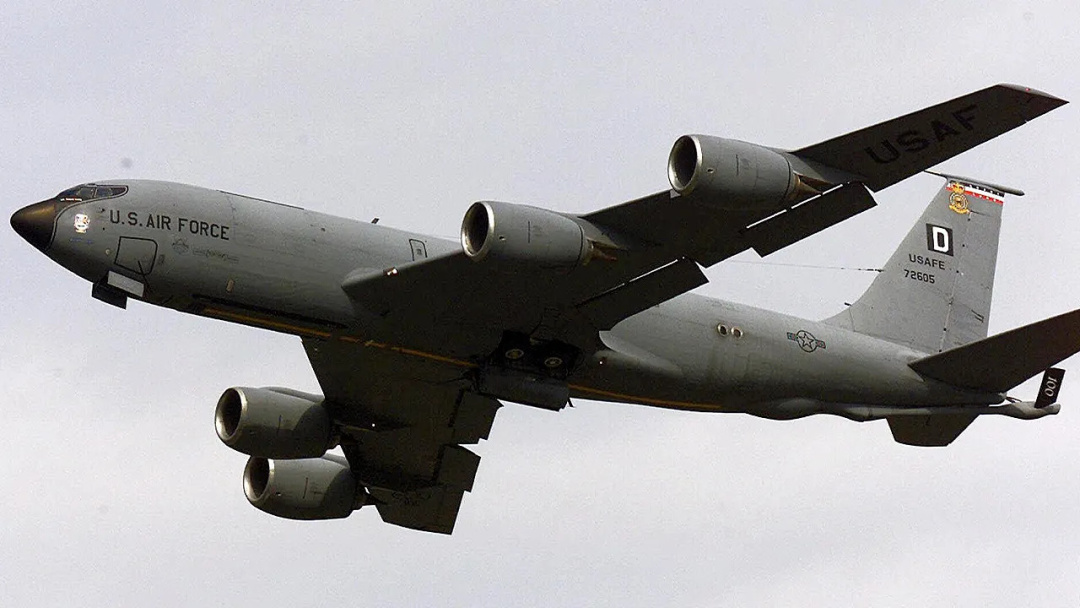
The U.S. Air Force has taken precautionary measures by relocating more than a dozen aircraft from RAF Mildenhall in eastern England, following reports of a security threat linked to Iran. This move, confirmed by U.S. officials, comes as the base's security level was raised to Force Protection Condition Charlie, indicating a significant risk of terrorist threats against U.S. military personnel and facilities. The Wall Street Journal first reported on this development, noting that the threat assessment was ongoing and that commanders were acting swiftly to ensure the safety of the forces stationed there.
Flight-tracking data revealed that 13 U.S. aircraft departed from the base late Monday. Among them were nine Boeing KC-135 Stratotankers, which were relocated to airfields in Scotland, Germany, and Spain. Additionally, three CV-22B Ospreys were moved to RAF Lakenheath, which features hardened aircraft shelters designed to withstand potential attacks. A U.S. official emphasized that the relocation was precautionary, with some aircraft involved in rotational deployments while others are permanently stationed in the UK.
Common Sense Shop
The United States of Common Sense
Amazon shopping links. Sponsor Complete!
This evacuation marks the second significant relocation of U.S. military assets from British bases within a short span. Earlier in October, heavy bombers were moved from RAF Fairford in Gloucestershire after British counterterrorism police intercepted suspicious vehicles approaching the base. Following that incident, two individuals were charged under the UK's National Security Act, highlighting the serious nature of the threats facing U.S. military operations in the region.
The strategic importance of RAF Mildenhall cannot be overstated, as it is home to the 100th Air Refueling Wing, the only permanently based U.S. tanker wing in Europe. These KC-135 Stratotankers play a crucial role in supporting allied aerial refueling and long-range strike missions across Europe. Secretary of State Marco Rubio addressed the situation, stating that the U.S. routinely reposition military forces globally for various reasons, reaffirming the commitment to maintaining readiness in the face of emerging threats.
U.K. Assurance Amid Rising Tensions
In light of these developments, a spokesperson from 10 Downing Street reassured that British air bases remain secure and that intelligence sharing between London and Washington continues to be robust. The ongoing vigilance and proactive measures taken by U.S. military officials underscore the seriousness of the threat posed by Iran and the necessity for continued preparedness against potential aggressions.
The Common Sense Test
As tensions with Iran escalate, the U.S. military's actions reflect a broader strategy to deter threats and protect American interests abroad. The recent relocations are not merely logistical maneuvers but part of a comprehensive approach to ensure the safety of U.S. forces in a volatile region. The implications of these actions extend beyond immediate security concerns, as they signal a clear message to adversaries about the U.S. commitment to defending its personnel and allies. This situation serves as a reminder of the complex geopolitical landscape in which the U.S. operates, particularly regarding Iran's increasing hostility towards American forces and interests.
Ultimately, the U.S. military's readiness and adaptability in response to threats are crucial for maintaining national security. The recent evacuations from RAF Mildenhall illustrate the necessity of being proactive rather than reactive in the face of potential dangers. As the situation with Iran continues to evolve, it will be essential for U.S. officials to remain vigilant and prepared to respond to any developments that may threaten American lives and interests abroad. The commitment to safeguarding U.S. personnel reflects a broader understanding that national security is paramount, and actions taken today will have lasting implications for the future of U.S. military operations in the region.