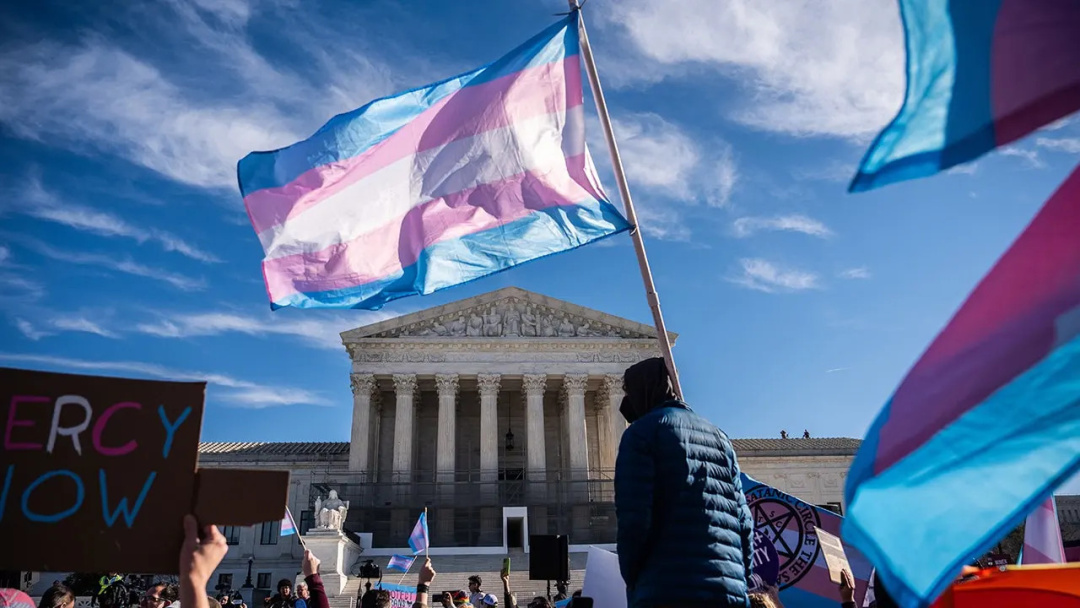
NCAA's Transgender Athlete Policy Sparks Debate Over Fairness

The debate over transgender athletes competing in women's sports has reached a boiling point, particularly in light of recent changes to NCAA policies. South Carolina Senator Lindsey Graham has voiced concerns about the physical dangers and unfairness of allowing biological males to compete against female athletes, citing specific instances of injuries and competitive disadvantages that female athletes face.
In a recent episode of "Pablo Torre Finds Out," host Pablo Torre and Rachel Maddow suggested that the controversy is largely a manufactured political issue, dismissing the concerns of those who argue for the protection of women's sports. Maddow went so far as to claim that Republicans have created a problem that affects virtually no one in America. However, this perspective overlooks the significant impacts that the presence of transgender athletes has had on female competitors.
Common Sense Shop
The United States of Common Sense
Amazon shopping links. Sponsor Complete!
Torre claimed that the NCAA reported there are effectively no transgender athletes currently competing in women's sports, which he presented as evidence that the issue is overstated. Yet, he conveniently omitted the context surrounding this statistic. Following an executive order signed by former President Donald Trump on February 5, 2025, titled "Keeping Men Out of Women's Sports," the NCAA swiftly revised its participation policy. The new rule restricts competition in women's sports to those who are "assigned female at birth," a clear response to the concerns raised about fairness in athletics.
NCAA President Charlie Baker acknowledged the significance of this change, stating that Trump's order provided a clear national standard for protecting women's sports. This policy shift came after years of documented instances where biological males, such as Lia Thomas and CeCe Telfer, competed in women's events, often to the detriment of female athletes. Thomas, a former swimmer for the University of Pennsylvania, notably won the 2022 NCAA Division I women's 500-yard freestyle national championship, raising eyebrows and sparking outrage among competitors and observers alike.
Consequences for Female Athletes' Opportunities
The implications of these changes are profound. The NCAA's new policy does not merely reflect a response to current participation numbers; it acknowledges the realities faced by female athletes who have lost titles and opportunities to competitors who were born male. Yet, Torre's argument seems to ignore this crucial context, using the absence of current transgender athletes in women's sports as proof that the issue was never significant. This selective reporting fails to address the years of competition that have already taken place under different eligibility standards.
The Common Sense Test
As the conversation continues, it is essential to recognize the broader implications of these policies and the voices of those who advocate for the protection of women's sports. The debate is not just about numbers; it's about fairness, safety, and the integrity of athletic competition. The NCAA's decision to restrict participation is a step toward addressing these concerns, but it also highlights the ongoing tensions surrounding gender identity in sports.
Ultimately, the issue boils down to a fundamental question: how do we ensure fairness in sports while respecting individual rights? The NCAA's policy change is a recognition of the need to protect women's sports from the competitive advantages that biological males may hold. As this debate unfolds, it will be crucial for policymakers, sports organizations, and the public to engage thoughtfully and respectfully, balancing the rights of all athletes while safeguarding the integrity of women's competition.