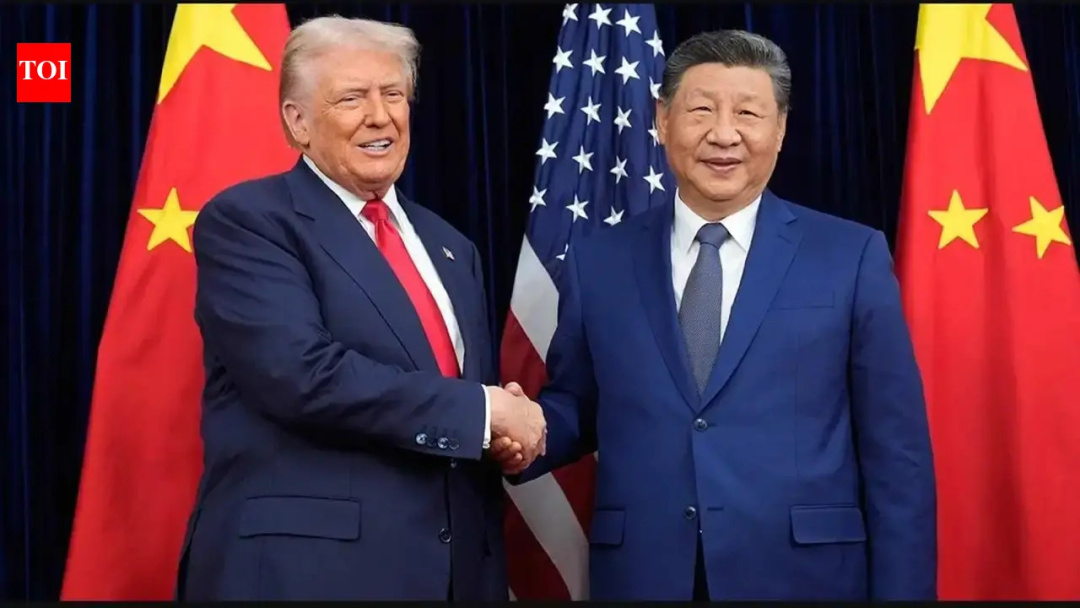
U.S. Tariffs Lead to Price Declines in Bystander Countries
A new paper from the Federal Reserve highlights the unintended consequences of U.S. tariffs on imports from China, revealing that these tariffs have not only affected American trade but have also led to significant price declines for Chinese goods in bystander countries. Despite a reduction in U.S. imports from China, Chinese exports have continued to expand globally, raising important questions about the dynamics of international trade and pricing strategies.
The research indicates that products targeted by U.S. tariffs experience persistent declines in import prices in nations that are not directly involved in the tariff imposition. This effect is particularly pronounced in emerging markets, where the economic landscape is more sensitive to shifts in trade policy. The study suggests that the decline in prices is most significant for products that China previously exported heavily to the U.S., indicating a direct correlation between U.S. tariff policies and global pricing mechanisms.
Common Sense Shop
The United States of Common Sense
Amazon shopping links. Sponsor Complete!
Moreover, the findings reveal that these price declines are larger in countries with concentrated import markets and those that are geopolitically closer to China. This suggests that the economic repercussions of U.S. tariffs extend beyond American borders, impacting the cost structures in countries that may not have a direct stake in the tariff decisions.
The implications of these findings are noteworthy for policymakers and economists alike. They underscore the complexity of global trade relationships and the ripple effects that can arise from unilateral trade actions. As the U.S. continues to navigate its trade policies, understanding the broader economic landscape and the interconnectedness of global markets will be crucial.
Understanding Global Trade Dynamics
The persistence of lower import prices in bystander countries raises important questions about the effectiveness of tariffs as a tool for economic policy. While tariffs may be intended to protect domestic industries, they can also lead to unforeseen consequences that undermine their intended goals. This highlights the need for a more nuanced approach to trade policy that considers the global ramifications of domestic decisions.
As the U.S. grapples with the complexities of its trade relationships, the findings from this study serve as a reminder of the interconnected nature of the global economy. Policymakers must weigh the benefits of protecting domestic industries against the potential for broader economic disruption. The challenge lies in crafting trade policies that not only serve American interests but also account for the realities of a global marketplace.
The Common Sense Test
In conclusion, the study's insights into the spillover effects of U.S. tariffs on import prices in bystander countries call for a reevaluation of current trade strategies. As the U.S. seeks to strengthen its economic position, it must also consider the broader implications of its trade policies on international markets. The balance between protecting domestic interests and fostering healthy global trade relationships is delicate and requires careful consideration. The question remains: how will the U.S. adapt its trade policies in light of these findings?