U.S. Shale Producers Stay Conservative on Drilling Despite Price Surge
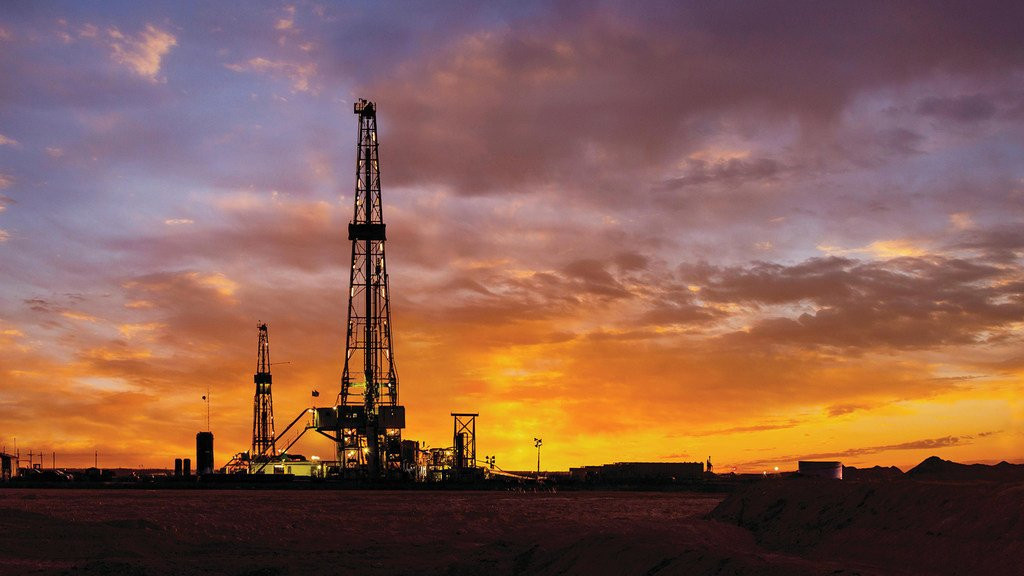
The largest U.S. shale producers are taking a conservative approach to drilling this year, despite a notable increase in WTI crude prices, which have risen by over $20 per barrel compared to last year. This cautious stance is particularly evident among major players like Diamondback Energy, which has indicated that it will not significantly ramp up drilling activities in the near future due to ongoing uncertainty in global markets.
Diamondback's CEO, Kaes Van't Hof, expressed a prudent outlook during the company's Q3 earnings call, emphasizing the importance of preparing for potential downturns. "It's not a good way to run an E&P just to be a perma bull," he stated, highlighting the need for fiscal discipline even in the face of rising prices. This year, the average WTI price has been approximately $86.72, a substantial increase from the 2025 average of $64.94.
Common Sense Shop
The United States of Common Sense
Amazon shopping links. Sponsor Complete!
Despite the price surge, Diamondback has focused on enhancing shareholder value through increased dividends and strategic capital allocation. The company reported $2.1 billion in free cash flow for Q3 and has used excess cash to repurchase bonds and shares while reducing debt. Van't Hof reiterated that the macroeconomic environment remains unpredictable, with volatility expected to persist. He noted that the timing for a normalization of global oil supply is uncertain, which contributes to the cautious approach among major shale producers.
ExxonMobil, another significant player in the shale sector, has echoed similar sentiments. The company is not prioritizing volume increases despite achieving its production targets earlier this year. CEO Darren Woods stated that the focus is on executing operations efficiently and leveraging technology to maximize project value rather than merely increasing output.
Diverging Strategies Among Shale Producers
Smaller, independent operators appear more willing to capitalize on the current high prices, indicating a divergence in strategy within the industry. According to Nathan Nemeth, director of Lower 48 Upstream research at Wood Mackenzie, these smaller firms are more inclined to increase drilling activities. However, the larger operators remain hesitant, reflecting a broader trend of caution among publicly traded shale companies.
The Common Sense Test
The volatility in oil prices has made many companies wary. As noted by Wood Mackenzie, a single tweet can significantly impact crude prices, leading to a reluctance to commit to increased spending that may seem unjustified if prices decline. This cautious approach is evident as shale companies prepare their outlooks for 2027, with many executives acknowledging the challenges posed by market volatility.
As the landscape continues to shift, the question remains whether major shale producers will adapt their strategies in response to changing market conditions or maintain their current conservative approach. The balance between capital discipline and the need for increased production will be crucial in determining the future trajectory of U.S. shale output.