Defense Contractors Brace for Scrutiny and Funding Challenges Ahead
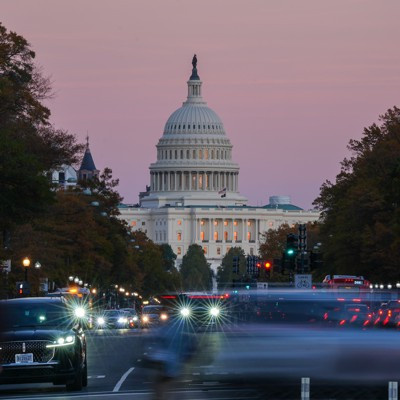
With the new Congress set to take office in 2027, defense contractors are bracing for a wave of scrutiny and potential funding challenges. Experts indicate that the incoming Democrat-majority Congress is likely to initiate numerous anti-corruption inquiries, particularly targeting companies with close ties to the previous administration. This scrutiny comes at a time when the defense industry is also facing funding uncertainties due to the current political landscape.
Mark Cancian, a government budget expert at the Center for Strategic and International Studies, notes that there will be significant pressure on Republicans to pass funding during the lame-duck session. However, the feasibility of securing $350 billion in reconciliation funding for defense appears uncertain. In contrast, Cancian believes that passing the base budget of approximately $1.1 trillion is achievable, although it will necessitate difficult trade-offs regarding which defense programs receive funding.
Common Sense Shop
The United States of Common Sense
Amazon shopping links. Sponsor Complete!
The Pentagon's budget ceiling is a critical factor in determining its operational capabilities. A budget of $1.5 trillion would allow for robust funding across both legacy systems and new initiatives. In contrast, the reduced budget of $1.1 trillion will compel the Pentagon to prioritize certain programs over others, raising questions about which projects will be protected and which may face delays or cuts.
Bipartisan support for defense spending is typical, yet the ongoing U.S.-Israel conflict has introduced new political tensions. Critics argue that the Trump administration's actions, which initiated military involvement without Congressional approval, have complicated the funding landscape. Furthermore, the Biden administration has tied several prominent national security programs to supplemental funding bills rather than the regular defense budget, potentially jeopardizing critical initiatives like the Golden Dome missile defense program.
If Congress resorts to a long-term continuing resolution instead of a new budget for 2027, significant projects such as the Army's MV-75 program, intended to replace the UH-60 Black Hawk, and the XM-30 Bradley replacement could be stalled. The Navy's shipbuilding efforts, including new submarine tenders and frigates, would also be adversely affected, as would the Air Force's missile programs.
Impending Budget Conflicts and Government Shutdown Risks
The risk of a government shutdown looms if budget disagreements arise, particularly regarding the contentious use of the Iran War as a bargaining chip. Such disruptions have historically posed significant challenges for the Pentagon, complicating its operational planning and execution.
In this politically charged environment, the new Congress is expected to focus heavily on anti-corruption measures. Kristina Moore, a partner at Womble Bond Dickinson, emphasizes that the first wave of investigations will likely scrutinize transactions involving companies with ties to the administration. Investigators will look for evidence of undue financial advantages stemming from government contracts or policy decisions.
The Common Sense Test
As the new Congress takes shape, companies must navigate public opinion and prepare for the risks associated with Congressional investigations. There is a pressing need for defense contractors to engage in due diligence and ensure transparency in their operations. With a new wave of freshman lawmakers eager to make their mark, oversight committees are expected to adopt an aggressive stance, increasing the pressure on the Pentagon to collaborate across party lines to secure necessary funding.
As the defense industry faces these challenges, it remains to be seen how effectively the Pentagon can adapt to the new political landscape. The potential for increased scrutiny and funding limitations will undoubtedly test the resilience of defense contractors. Ultimately, the question remains: how will these developments impact national security and the operational readiness of the U.S. military?