Congress Moves to Impeach Secretary of Defense Pete Hegseth

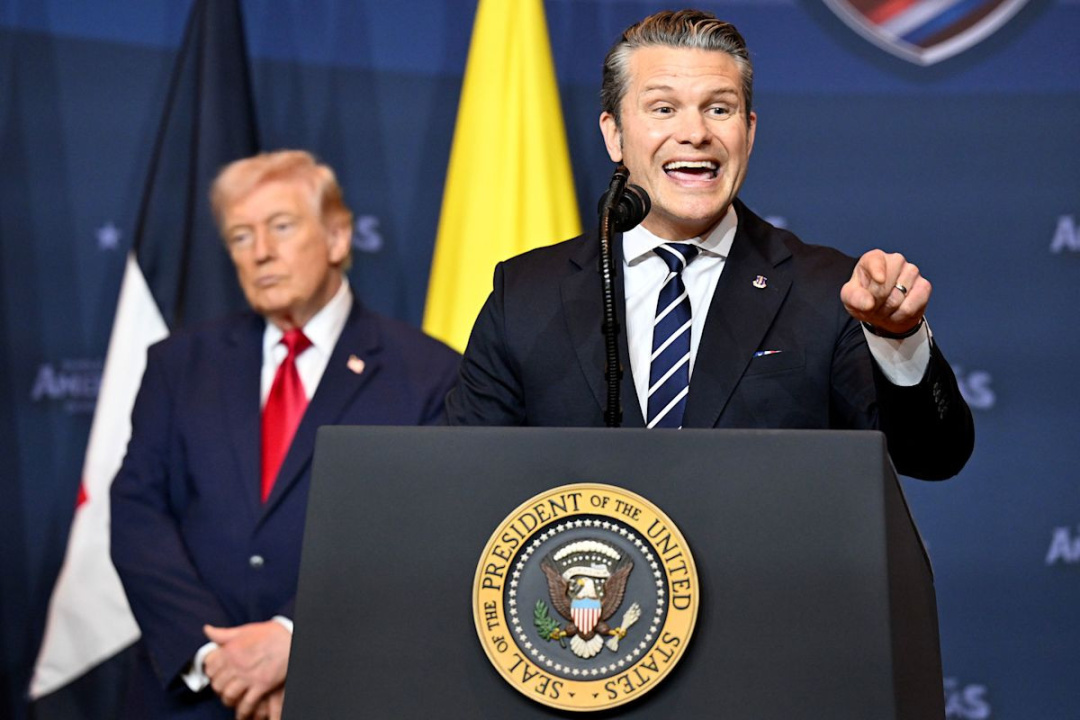
The House of Representatives is gearing up for a pivotal vote this week on whether to impeach Secretary of Defense Pete Hegseth. Outgoing Republican Congressman Thomas Massie from Kentucky has introduced eight articles of impeachment against Hegseth, citing serious violations of constitutional law and military conduct. These articles include accusations of breaching the 1973 War Powers Resolution by continuing military actions against Iran despite Congressional directives, waging illegal war in Yemen, and overseeing extrajudicial killings of alleged drug traffickers in the Caribbean and eastern Pacific. Furthermore, Hegseth is accused of suppressing the free speech rights of Democratic Senator Mark Kelly in retaliation for his public reminder to troops about obeying lawful orders.
Retired Air Force Master Sergeant Wes Bryant, who previously served as chief of civilian harm assessment at the Pentagon, has voiced strong criticism of Hegseth, labeling him a "clear and present danger" to democracy. Bryant argues that Hegseth's leadership has led the U.S. military to operate more like a far-right dictatorship, executing policies that undermine democratic principles and international law. He believes that Hegseth should be the first of many to face accountability, including former President Trump and senior military leaders.
Common Sense Shop
The United States of Common Sense
Amazon shopping links. Sponsor Complete!
Massie’s impeachment resolution underscores the gravity of the allegations against Hegseth, asserting that his actions have demonstrated a disregard for the Constitution and a gross incompatibility with his duties as Secretary of Defense. The articles detail how Hegseth has allegedly continued military operations that Congress has sought to halt, thereby undermining the legislative branch's authority.
In anticipation of the impeachment vote, Hegseth has taken to social media to defend his record, claiming that his policies have been effective and necessary. He has positioned himself as a champion of military strength and a critic of what he terms "Marxist ideologies" within the military, while also asserting that he has successfully managed military operations under challenging circumstances.
Implications for Military Oversight and Accountability
The potential for impeachment raises significant questions about the future of military oversight and accountability. If the House votes to impeach, it would set the stage for a Senate trial that could lead to Hegseth's removal from office. This situation highlights ongoing tensions within the Republican Party regarding military policy and the balance of power between Congress and the executive branch.
The Common Sense Test
As the impeachment proceedings unfold, the implications for the Republican Party and military leadership are profound. The outcome could signal a shift in how military conduct is scrutinized and the extent to which Congress is willing to assert its authority over executive actions. With only a few Republican votes needed for a simple majority to impeach, the dynamics within the party will be closely watched. Hegseth's impeachment could also lead to broader discussions about the direction of U.S. military policy and the accountability of those in power.
Ultimately, the impeachment of Secretary Hegseth will test the resolve of Congress to uphold the Constitution and ensure accountability within the military. As these proceedings move forward, it is crucial for lawmakers to consider the implications of their actions not only for Hegseth but for the integrity of the military and the principles of democratic governance. The American people deserve a military leadership that respects the rule of law and prioritizes the protection of civilian lives in all operations. The outcome of this impeachment process may very well shape the future of military oversight in the United States.