Trump Declares Iran War 'Seems to Be Over' Amid Political Turmoil
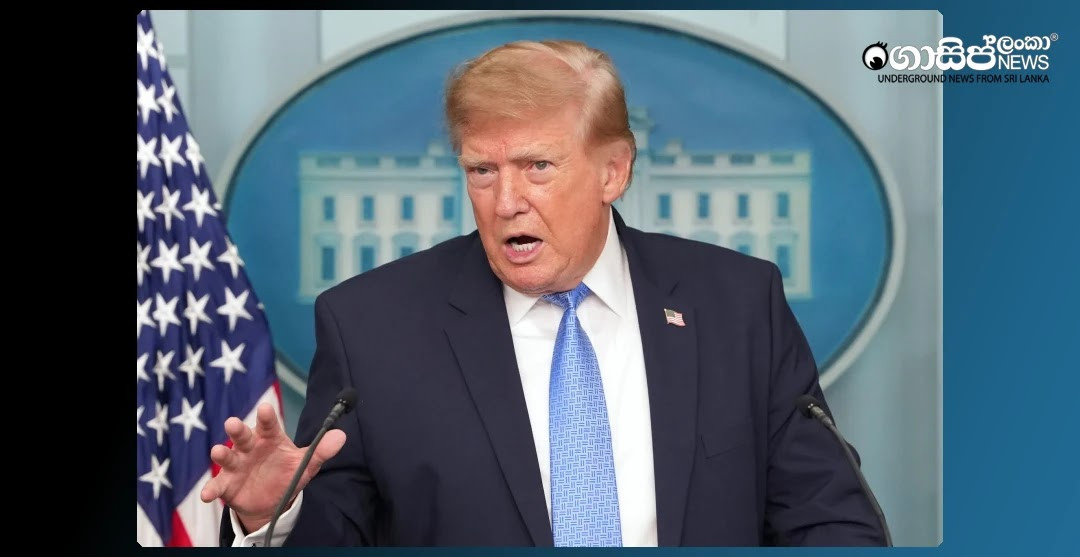
On November 9, 2026, President Donald Trump declared that the military conflict between the United States and Iran has effectively come to an end, indicating a shift towards de-escalation. This statement was made during a White House press conference after discussions with Qatar's Prime Minister, Sheikh Mohammed bin Abdulrahman Al Thani, who has played a pivotal role as a mediator in the conflict.
Trump asserted that the war was reaching its final stages, suggesting that further large-scale military actions were unnecessary and that the likelihood of renewed attacks was low. However, he maintained that American forces remain prepared to act if the situation deteriorates. He also confirmed that the naval blockade around Iran would continue, a measure he stated was requested by neighboring countries. Trump emphasized that Iran must not be allowed to develop nuclear weapons and expressed a desire for a long-term resolution that would ensure the security of regional allies.
Common Sense Shop
The United States of Common Sense
Amazon shopping links. Sponsor Complete!
During his remarks, Trump cited significant statistics regarding the conflict's toll on Iran, claiming that approximately 158 Iranian naval vessels had been sunk and about 268 aircraft destroyed. He noted that Iran's military production capacity has plummeted by around 85%, leaving the country struggling to finance its military operations amid soaring inflation. While he acknowledged that Iran's leadership has been severely weakened, he warned that the nation remains a troublesome entity in the Middle East.
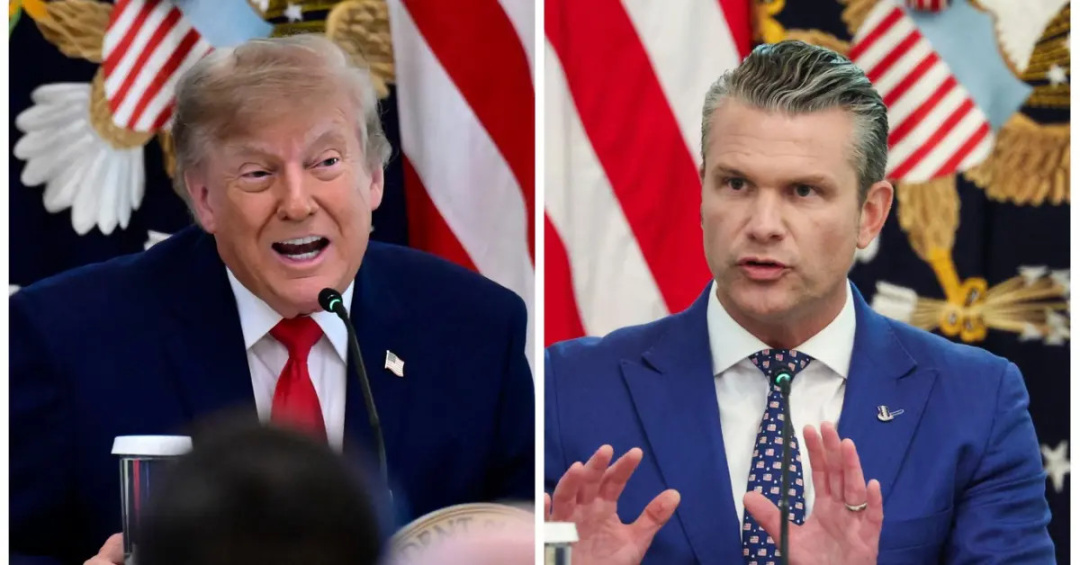
The backdrop to Trump's announcement is politically charged, as the Republican Party faced significant losses in the midterm elections, losing control of both houses of Congress. Figures like Vice President J.D. Vance have pointed to the Iran war and rising fuel prices as key factors contributing to this defeat. Additionally, there are efforts underway to impeach Defense Secretary Pete Hegseth, further complicating the political landscape. In this context, Trump's announcement appears to be an attempt to shift focus towards peace while maintaining a posture of military readiness.
Iran's Reaction and Peace Negotiations
Iran's response to Trump's declaration has been dismissive, with officials labeling his statements as fake news and an attempt to distract from their own challenges. Iranian leaders have insisted that the U.S. should acknowledge its failures and cease its military posturing. They have proposed conditions for negotiations, including lifting sanctions and reopening the Strait of Hormuz under specific agreements. Meanwhile, the Qatari Prime Minister indicated that there has been positive movement in peace talks.
The ongoing conflict has had significant repercussions for global oil prices, which have remained high due to the disruption of naval traffic in the Strait of Hormuz. Should the situation de-escalate and trade routes reopen, it could alleviate some economic pressures, particularly for countries like Sri Lanka facing rising import costs. However, with no formal ceasefire in place and the naval blockade still active, the future remains uncertain.
The Common Sense Test
As the political landscape shifts, Trump's strategy of de-escalation could be seen as an effort to regain favor with voters disillusioned by the war's costs. The implications of this announcement extend beyond military considerations, as it intertwines with the Republican Party's need to reassess its position following electoral setbacks. The administration's approach to Iran will likely remain a focal point of debate in Congress, particularly as calls for accountability and oversight grow louder.
Ultimately, Trump's declaration about the Iran war raises questions about the effectiveness of U.S. foreign policy and military strategy. While the cessation of hostilities is a welcome development, the underlying issues that led to the conflict remain unresolved. The administration's commitment to preventing Iran from acquiring nuclear capabilities must be matched by a coherent strategy that addresses the broader geopolitical landscape. As the situation evolves, the American public will be watching closely to see how these developments impact national security and the economy.