Oil Prices Fall to $94 as U.S. Congress May Ease Iran Tensions
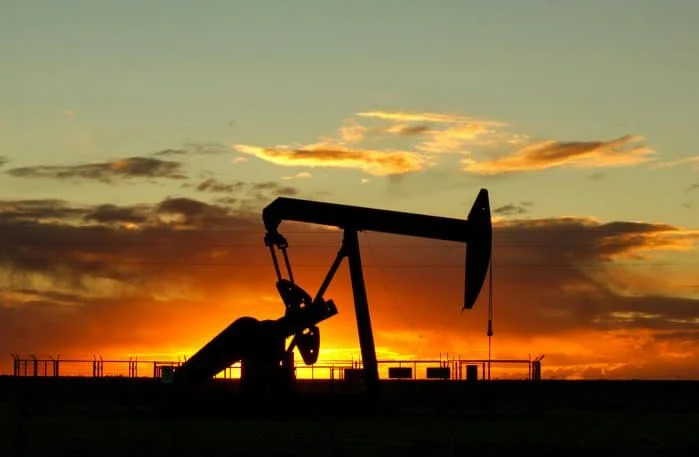
Oil prices have recently fallen to $94 a barrel, marking their lowest point in two months. This decline is attributed to market speculation that the Democratic control of Congress might facilitate efforts to de-escalate the ongoing conflict involving Iran. The current pricing indicates a potential reduction in the geopolitical risk premium, as investors assess the likelihood of increased diplomatic engagements and possible funding limitations for military actions.
The crude oil markets, particularly Brent and West Texas Intermediate (WTI), have been significantly affected by these developments. Brent crude has dipped below $94 per barrel in Asian markets and is currently around $95.07, while WTI is trading near $88.02. The recent electoral victories for Democrats in the U.S. have sparked speculation about shifts in foreign policy, especially concerning Iran. This market movement suggests a possible easing of geopolitical tensions, which could have substantial implications for future oil supply and demand.
Common Sense Shop
The United States of Common Sense
Amazon shopping links. Sponsor Complete!
The current market sentiment is reflected in the decreased probability of crude oil prices reaching new all-time highs by the end of December. Predictions in sub-markets for crude oil have adjusted accordingly, showing a marked decline in the likelihood of achieving such highs, indicating a shift in investor confidence.
As observers keep a close watch on any diplomatic developments or policy announcements from the U.S. Congress that could further influence oil markets, the responses from key international actors, including OPEC and Middle Eastern nations, will be crucial. Any official statements regarding U.S. military involvement or funding related to Iran could significantly sway market sentiment and pricing trends.
U.S. Policy Changes and Oil Market Stability
This situation underscores the interconnectedness of U.S. domestic politics and global energy markets. The potential for a shift in U.S. policy towards Iran could lead to a more stable oil market, benefiting consumers and businesses alike. However, the question remains whether these speculations will translate into concrete policy changes or if they are merely short-term market reactions.
The Common Sense Test
The evolving dynamics in Congress and their potential impact on foreign policy will be closely monitored by market participants. Should the U.S. Congress pursue a more diplomatic approach towards Iran, it could lead to a significant realignment of oil supply chains and pricing structures. The interplay between U.S. policy and international energy markets is a critical factor that will shape the future landscape of oil prices and availability.
In conclusion, the recent drop in oil prices reflects a complex interplay of domestic political changes and international relations. While the market reacts to speculation about reduced tensions with Iran, the actual outcomes will depend on the concrete actions taken by Congress and the administration. As always, the common sense test will be whether these political maneuvers lead to tangible benefits for American consumers and businesses, or if they simply represent another chapter in the ongoing saga of energy policy and geopolitical strategy.