Immigration Enforcement's Impact on Midterm Election Outcomes

In the wake of the recent midterm elections, the impact of immigration enforcement has emerged as a pivotal issue influencing voter sentiment. With Democrats poised to take control of Congress, the future of immigration policy is now under scrutiny. A panel discussion at UC San Diego aims to explore these developments and their implications for immigration enforcement moving forward.
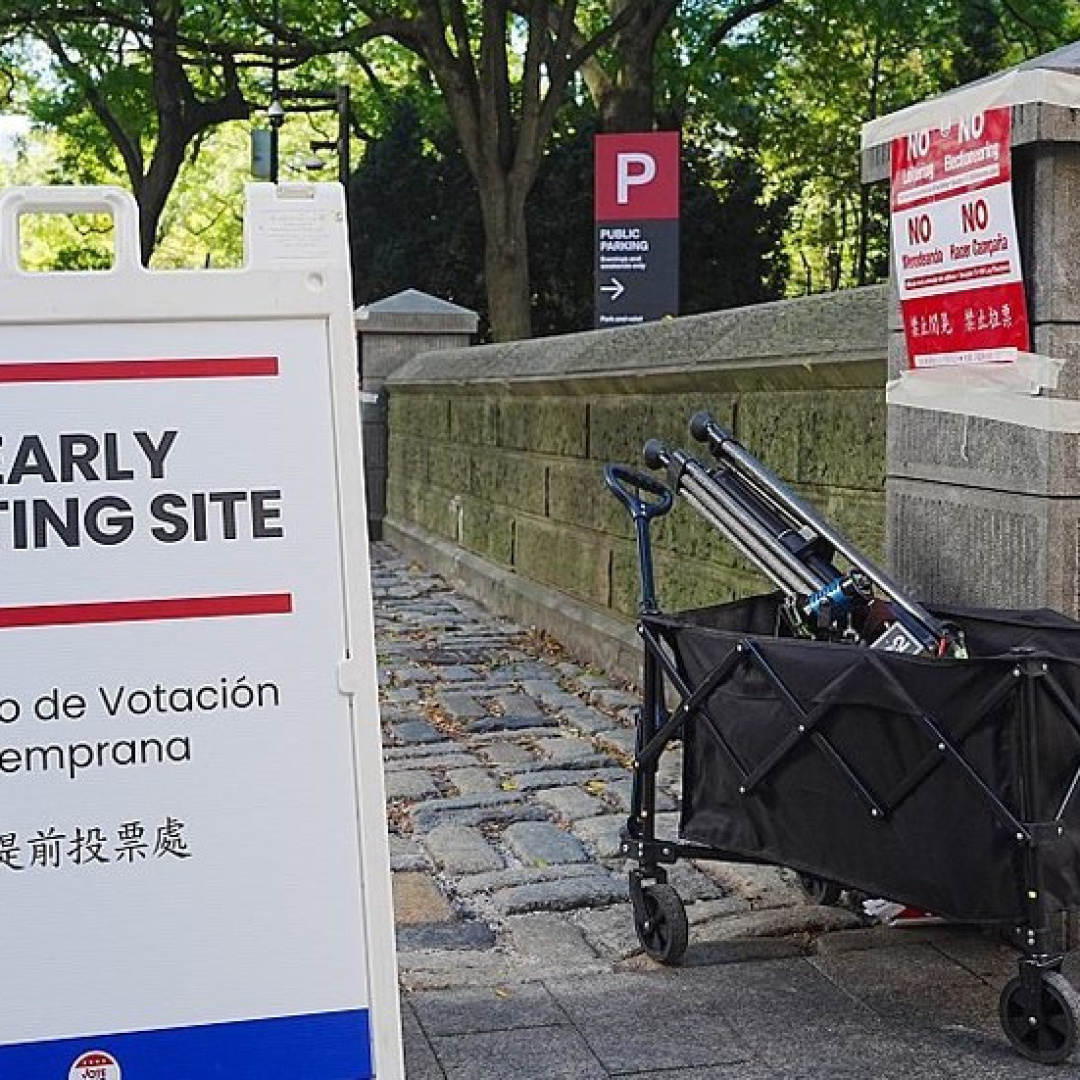
Political science professor Tom Wong, who leads the U.S. Immigration Policy Center, emphasized the mixed reactions to President Trump's mass deportation agenda. While this approach initially garnered support, recent polling indicates a shift in public perception. Many voters are questioning whether the aggressive tactics employed by immigration enforcement agencies have gone too far. According to a survey of over 100,000 midterm voters, more than 60% expressed concerns about the extent of immigration enforcement prior to the election.
Common Sense Shop
The United States of Common Sense
Amazon shopping links. Sponsor Complete!
Wong noted that issues such as affordability and the cost of living also weighed heavily on voters' minds during the election. However, the sentiment surrounding immigration enforcement was particularly pronounced among independents and former Democratic supporters who had previously backed Trump. These voters are now less inclined to support candidates advocating for stringent immigration policies.
The results of the midterms signal a potential shift in how immigration enforcement will be approached in the coming years. With a Democratic majority in Congress, there is an opportunity for legislative action on immigration reform. However, the Biden administration faces challenges in balancing the demands of its base with the realities of immigration enforcement. The historical lack of meaningful immigration reform across administrations raises questions about whether substantive changes can be achieved.
Biden's Dilemma on Immigration Strategy
As the Biden administration contemplates its next steps, the appointment of hardline figures within the administration complicates the political landscape. The choice between maintaining aggressive enforcement or seeking bipartisan cooperation on immigration reform will be crucial for the Republican Party's future, particularly with the 2028 elections on the horizon.
The implications of the midterm elections extend beyond immediate policy changes. The results reflect a broader voter sentiment that may influence the Republican Party's approach to immigration in the future. Wong suggests that if the administration opts for a more lenient stance towards immigration enforcement, it could help rebuild the party's image among Hispanic and other minority voters who have recently shifted their support back to Democrats.
The Common Sense Test
However, the path to comprehensive immigration reform remains fraught with challenges. The need for a legislative majority and a presidential signature complicates the prospects for change. The Biden administration must navigate these political waters carefully, especially given the longstanding partisan divides over immigration issues. As the new Congress convenes, the focus will undoubtedly be on how to address the complex realities of immigration in a way that resonates with voters across the political spectrum.
Ultimately, the question remains: can the Biden administration effectively balance the need for robust immigration enforcement with the demands for reform? The outcome of this political chess game will not only shape the future of immigration policy but also the electoral prospects of both parties in the years to come. As voters continue to express their concerns about immigration enforcement, it is clear that any future policy must reflect a nuanced understanding of the complexities involved in immigration issues while prioritizing national security and public safety.