Congress Investigates Nvidia CEO's Alleged Ties to Chinese Intelligence

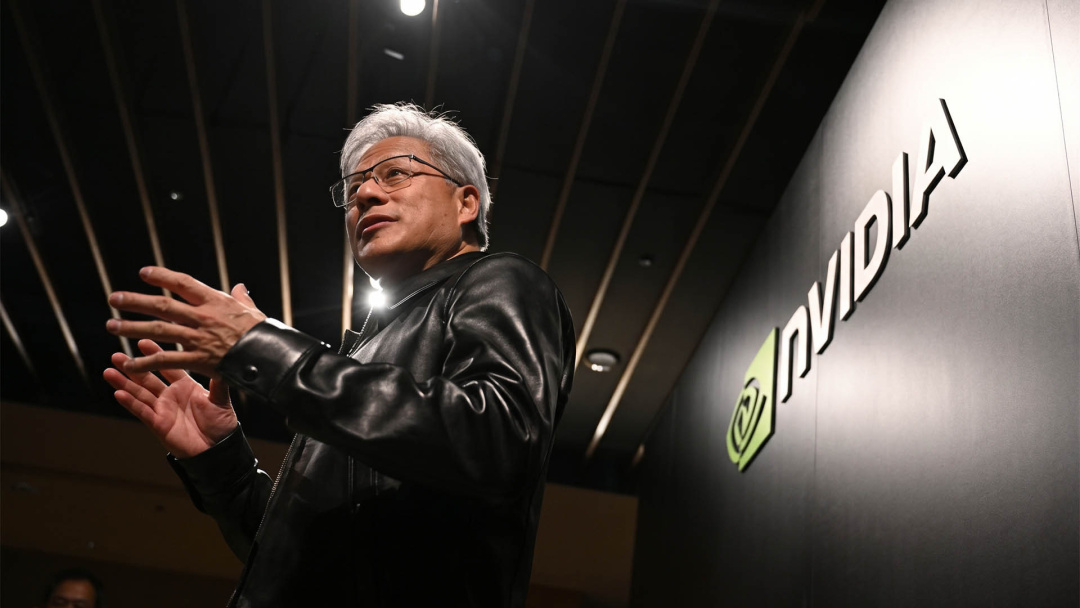
US lawmakers are increasingly concerned about Nvidia CEO Jensen Huang and his alleged relationship with a woman suspected of having ties to Chinese intelligence. This scrutiny comes amid fears that such connections could compromise American national security. Congressman Jamie Raskin highlighted the need for Congress to investigate whether this relationship influenced Huang's decisions regarding the sale of advanced technology to China, particularly Nvidia's AI chips, which are pivotal in the tech landscape.
Raskin stated, "The fate of Mr. Huang as the CEO of his companies is up to his board. Apparently, he exercises a lot of influence over his board." However, he emphasized that Congress has a legitimate interest in examining the potential implications of this alleged "honeypot scheme" on national security. The congressman noted that Huang's influence could extend beyond corporate matters, potentially affecting U.S. policy decisions.
Common Sense Shop
The United States of Common Sense
Amazon shopping links. Sponsor Complete!
Senate Democratic leader Chuck Schumer also criticized former President Donald Trump for allegedly failing to act on the information about Huang's relationship, which was reportedly known to the administration over a year ago. Schumer stated, "Trump has been busy trying to defend Jensen Huang, when he ought to be defending our national security." He called for bipartisan legislation, including the AI Oversight Act and the Chip Security Act, to prevent China from accessing critical American technology.
In response to the growing controversy, Nvidia's board of directors is reportedly considering Huang's future as CEO. The Wall Street Journal indicated that the board is preparing to discuss his potential removal following the allegations about his relationship with the suspected Chinese agent. Huang has acknowledged the affair and has been open about discussing it with employees during recent meetings.
The Role of Alice Huang in the Allegations
Adding to the complexity of the situation is the involvement of Alice Huang, the woman at the center of the allegations, who is currently residing in Beijing. Security officials are reportedly aware of her presence in China, raising further questions about her potential influence on Huang and Nvidia's business operations.
As the investigation unfolds, Nvidia's stock has already taken a hit, with shares falling over 8% in after-hours trading following reports of the board's deliberations. The company, co-founded by Huang in 1993, plays a crucial role in the semiconductor industry, especially in the realm of artificial intelligence, making the implications of this scandal particularly significant for national security and the tech sector as a whole.
The Common Sense Test
This situation underscores the delicate balance between corporate interests and national security in an era where technology companies wield significant power. As lawmakers prepare for oversight hearings, the focus will be on understanding the extent of foreign influence in American corporations and how such relationships could jeopardize sensitive technology and national interests. The outcome of this investigation could set important precedents for how the U.S. regulates corporate relationships with foreign entities, particularly in sectors critical to national security.
Ultimately, the scrutiny of Huang's alleged ties to Chinese intelligence raises essential questions about accountability in corporate governance and the responsibilities of CEOs in safeguarding national interests. As Congress moves forward with its investigation, it must ensure that the integrity of American technology and national security is prioritized over corporate loyalty or personal relationships. The implications of this case could resonate far beyond Nvidia, affecting how American companies navigate the complex landscape of global business and national security concerns.