'We Need Money for Midterms': Ex-RFK Jr Aide Alleges Trump Admin Corruption
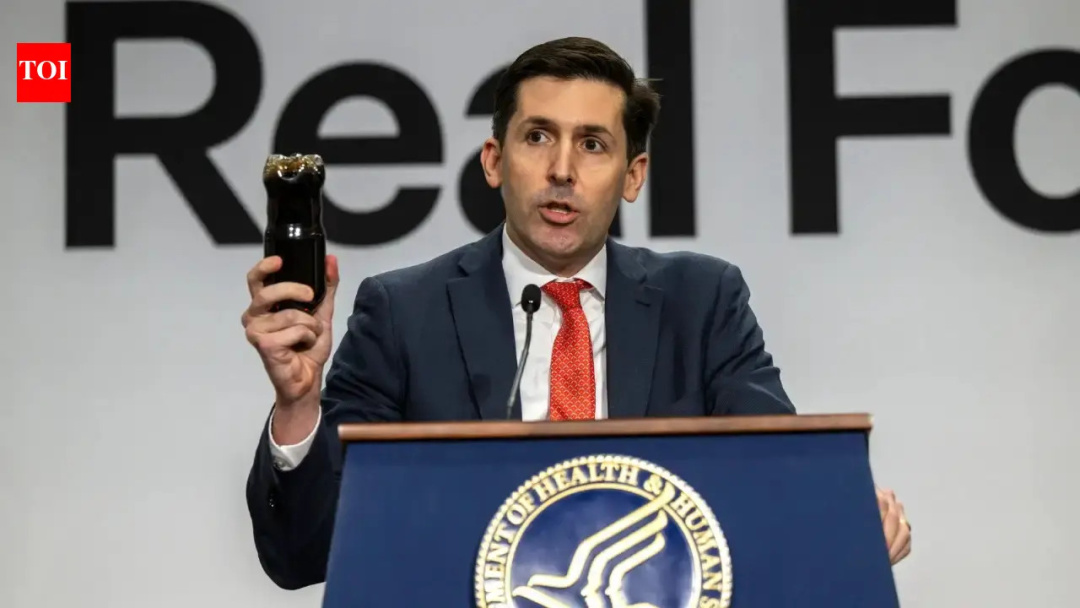
Calley Means, a former adviser to Health Secretary Robert F. Kennedy Jr., has made serious allegations against the Trump administration, claiming that a concentrated group of officials worked to advance corporate interests at the expense of public health priorities. During an appearance on "The Joe Rogan Experience," Means stated that his resignation was driven by internal corruption, asserting that certain officials were acting contrary to the agenda that voters had supported. "The simple reality in why I left is that there is a very concentrated group of people in the Trump administration that are antagonistic to what people voted for and are, frankly, — I think it's very clear — doing things for other reasons," he said, adding that many actions seemed aimed at enriching their families.
Means specifically pointed to outgoing White House chief of staff Susie Wiles, alleging that she played a pivotal role in ensuring that corporate interests influenced the administration's decisions, particularly regarding health-related policies. He claimed that Wiles frequently emphasized the urgency of raising funds ahead of the midterm elections, stating, "We need money for the midterms, Calley. We need money for the midterms." He also noted that she mentioned needing funds from the sugar industry to secure electoral victories.
Common Sense Shop
The United States of Common Sense
Amazon shopping links. Sponsor Complete!
The former adviser further alleged that Wiles had significant control over policy decisions, suggesting that companies employing her daughter as a lobbyist received preferential treatment when seeking funding from the administration. One of the contentious issues was the administration's stance on glyphosate, the active ingredient in Bayer's weedkiller Roundup. The Trump administration faced backlash from health activists after issuing an executive order advocating for an adequate supply of glyphosate-based herbicides, citing national security concerns. Means contended that officials worked covertly to undermine Kennedy's efforts to scrutinize the chemical, claiming that a Justice Department lawyer with ties to a firm representing Bayer drafted an opinion urging the Supreme Court to limit the company's liability in cancer-related lawsuits.
In addition to these allegations, Means criticized the administration for its delay in defining ultra-processed foods, a key priority for the Make America Healthy Again (MAHA) initiative. He expressed frustration over the lobbying efforts that hindered the establishment of a simple definition, as food companies sought to obscure the truth about their products.
Administration's Response to Health Policy Criticism
In response to Means' allegations, White House spokeswoman Allison Schuster stated that the administration had achieved significant victories for the MAHA agenda, including changes to dietary guidelines and efforts to eliminate artificial ingredients from the food supply. Following these developments, Trump announced that Wiles would be stepping down from her position, with Stephen Miller set to replace her as chief of staff. Kennedy defended the administration's record, asserting that he and Trump "intend to keep fighting until the American people—not corporate influence—drive our health policies."
The Common Sense Test
As the political landscape shifts ahead of the midterms, the implications of these allegations raise critical questions about the integrity of policy-making within the Trump administration. The focus on fundraising from corporate entities, particularly in health-related decisions, underscores a potential conflict between public welfare and political expediency. The extent to which corporate influence has permeated governmental decisions remains a pressing concern for voters who expect their elected officials to prioritize the public good over financial gain.
In light of the serious claims made by Means, it is essential for voters and political analysts alike to scrutinize the administration's actions and the motivations behind them. The allegations highlight a broader issue of accountability in government, particularly regarding how financial interests can shape policy outcomes. As the midterms approach, the electorate must demand transparency and integrity from their leaders, ensuring that the health and safety of the public are not compromised for the sake of political fundraising. The question remains: will the Trump administration address these allegations head-on, or will they continue to operate under the shadow of corporate influence?