White House Counsel Warns Democrats Against Overstepping Investigative Powers
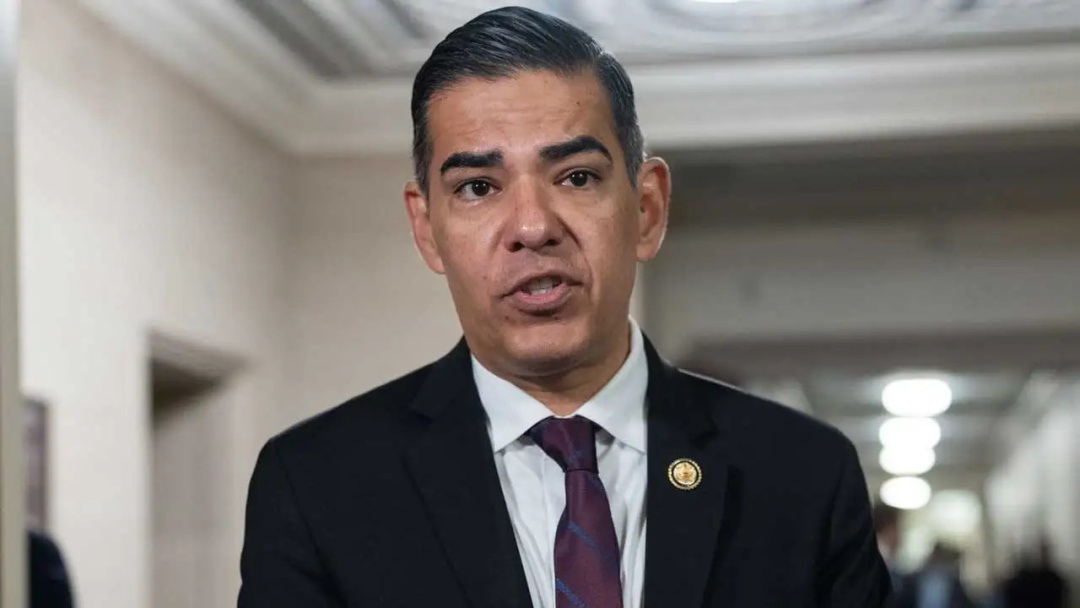
In a recent exchange that underscores the ongoing tension between the executive branch and Congress, White House counsel William Scharf issued a warning to House Committee on Oversight and Government Reform ranking member Rep. Robert Garcia, D-Calif. Scharf cautioned against what he perceives as an overreach of congressional authority in investigations and subpoenas. This warning comes as Democratic lawmakers signal their intent to pursue potential subpoenas and investigations against Trump administration officials, a move that has raised concerns about the limits of legislative power.
Scharf's letter specifically addressed the foundational limits imposed by the Constitution on congressional investigations. He expressed concern that Garcia and his colleagues have shown a clear intent to transgress these limits. "I write to remind you of the foundational limits that the Constitution imposes on congressional investigations and subpoenas," Scharf stated, emphasizing the need for Congress to adhere to its constitutional boundaries.
Common Sense Shop
The United States of Common Sense
Amazon shopping links. Sponsor Complete!
Garcia, who is expected to chair the committee when Democrats regain the House majority, quickly fired back, asserting that the Trump administration is misusing governmental power. In a statement, he suggested that the president might be hiding something from the public, declaring, "Let’s be clear: Congress' authority comes from Article I of the Constitution, not from the permission of the White House."
The backdrop of this exchange is the recent midterm elections, where Republicans faced significant losses, resulting in their minority status in both chambers of Congress. In light of these developments, Garcia warned fellow Democrats to "lawyer up," indicating the seriousness with which they intend to approach potential investigations.
Democrats' Investigative Intentions and Republican Concerns
Alongside Garcia, Rep. Emily Randall, D-Wash., who also serves on the committee, made headlines with her bold declaration on social media, stating, "We’re going to be passing out subpoenas like candy." This statement reflects a growing sentiment among Democrats to utilize their investigative powers aggressively as they prepare to assume control of the House.
Scharf's letter further articulated the administration's position, warning that threats from Democratic legislators could cross the line into criminality if they are intended to intimidate or interfere with the lawful functioning of government. He stated, "Compulsory process is a power Congress has for oversight functions, and only for oversight functions." Scharf's assertion that the issuance of subpoenas should not be used to harass or intimidate underscores the delicate balance of power between the legislative and executive branches.
As the political landscape shifts following the midterms, the implications of this exchange may resonate throughout the upcoming congressional sessions. The Trump administration's stance on these matters will likely set the stage for a contentious relationship with the newly empowered Democratic majority. The potential for subpoenas and investigations could lead to significant political battles, raising questions about the limits of congressional authority and the role of oversight in a divided government.
The Common Sense Test
Ultimately, the ongoing back-and-forth between the White House and congressional Democrats highlights a critical issue: the balance of power and the constitutional limits of legislative authority. As both sides prepare for what could be a contentious session, the American public will be watching closely to see how these dynamics play out. Will the Democrats' aggressive stance on investigations yield meaningful accountability, or will it devolve into political theater? The answer may depend on how both parties navigate the complexities of governance in the coming months.