Arnold Schwarzenegger Recounts Refusal to Campaign for Trump Over Climate Issues
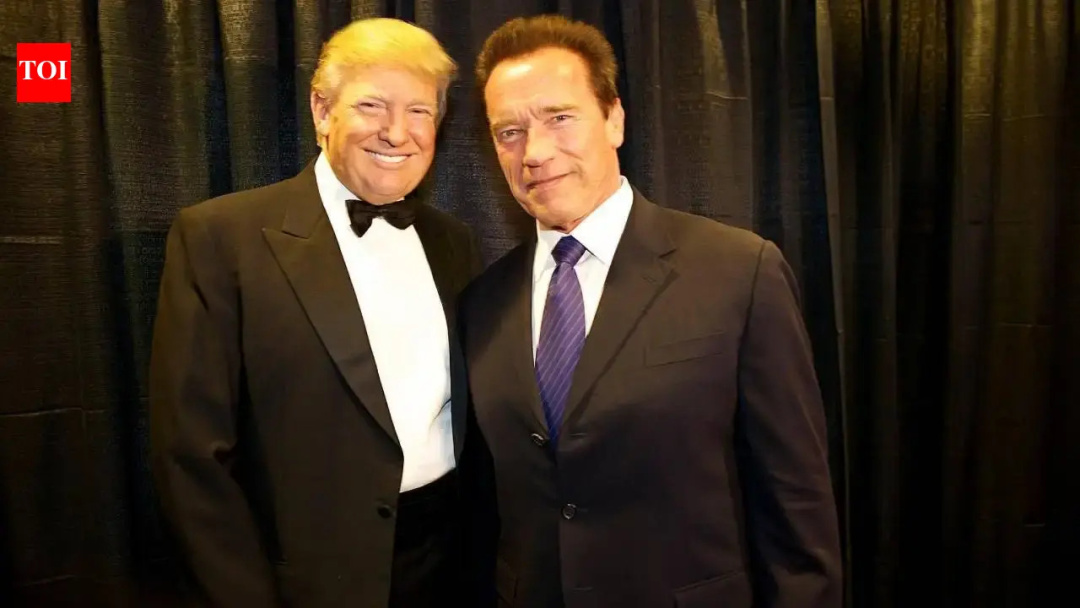
Arnold Schwarzenegger, the former California governor and Hollywood actor, revealed that he turned down Donald Trump's request to campaign for him during the 2016 presidential election. Speaking on "Jimmy Kimmel Live!" on November 11, Schwarzenegger explained that his refusal was rooted in significant disagreements over environmental issues, particularly climate change and pollution, which he has championed throughout his career.
Schwarzenegger recounted that Trump had personally approached him, asking for his endorsement and support during the campaign. The two had maintained a good friendship, but Schwarzenegger felt he could not align himself with Trump's stance on crucial environmental matters. "You don't believe there is climate change. You don't believe the threat of pollution," he said, emphasizing that pollution is a serious issue that claims millions of lives and cannot be overlooked.
Common Sense Shop
The United States of Common Sense
Amazon shopping links. Sponsor Complete!
Despite his disagreements with Trump and the current direction of the Republican Party, Schwarzenegger affirmed his identity as a traditional Republican. He highlighted the party's historical achievements, such as its role in ending slavery and securing voting rights for African Americans. He pointed to past Republican leaders like Ronald Reagan and Richard Nixon, who worked collaboratively with Democrats to enact meaningful policies, particularly in environmental protection.
Schwarzenegger expressed concern over the growing political divide in the United States, arguing that both parties have failed to adequately address pressing issues like immigration reform, national debt, and healthcare. He criticized the political system for prioritizing party loyalty over effective governance and urged elected officials to act as public servants rather than party servants.
Schwarzenegger's Call for Bipartisan Solutions
As the conversation progressed, Schwarzenegger noted the significant political shifts observed during recent elections, describing the Democrats' gains as a "tidal wave or a tsunami." He underscored the need for both parties to work together to find solutions to the nation's challenges, rather than allowing partisan politics to hinder progress.
The former governor's remarks serve as a reminder that political beliefs can transcend party lines. Notably, Schwarzenegger endorsed Democratic candidate Kamala Harris during the 2024 presidential election, reinforcing his stance that environmental protection and bipartisan cooperation should take precedence over strict party loyalty. His appearance on Kimmel's show was not just a promotion for his upcoming film but also a platform to discuss his political philosophy and the importance of collaboration in addressing the nation's most pressing issues.
The Common Sense Test
Schwarzenegger's perspective highlights a growing sentiment among some conservatives who feel alienated by the current trajectory of the Republican Party. His call for unity and cooperation among political leaders reflects a desire for a return to the foundational values that once defined the party.
Ultimately, Schwarzenegger's experience illustrates the complexities of modern political identity and the challenges faced by those who seek to uphold traditional values in a rapidly changing political landscape. As he continues to advocate for environmental issues and bipartisan solutions, the question remains whether the Republican Party can reconcile its current direction with the principles that once united it. The ongoing dialogue about climate change and pollution will undoubtedly shape the future of political discourse and policy-making in America.