Democrats Grapple with Leadership Challenges as Schumer Seeks Re-election
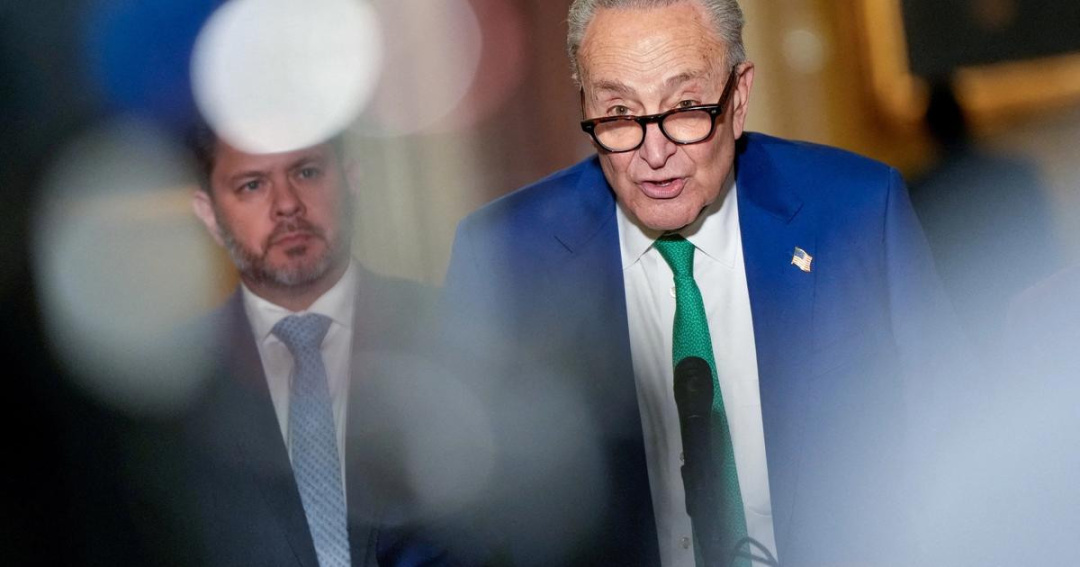
Following a significant midterm election victory, the Democratic Party is now facing internal strife as some members express reluctance to support Chuck Schumer's continued leadership. Notably, Senator Chris Van Hollen of Maryland is weighing a challenge against Schumer, while others, like Senator Sheldon Whitehouse of Rhode Island, suggest that Schumer's leadership has actually benefited those who opposed him. Despite the dissent, Schumer remains confident in his position, already engaging with newly-elected senators to outline a unified Democratic agenda alongside House Democratic Leader Hakeem Jeffries.
Schumer's assertive approach reflects his belief that he will retain his role as majority leader in the upcoming session. He has been proactive in meeting with incoming senators, discussing their priorities and committee placements, actions typical of a leader preparing for another term. However, the shifting dynamics within the Democratic Caucus, particularly with the arrival of new members, may require Schumer to adapt his leadership style to maintain cohesion.
Common Sense Shop
The United States of Common Sense
Amazon shopping links. Sponsor Complete!
The recent electoral cycle saw Schumer successfully recruit strong candidates, yet some in the party are now voicing the need for fresh leadership. Senator-elect Peggy Flanagan from Minnesota emphasized the importance of new voices and the urgency for leadership to address constituents' frustrations. This sentiment echoes among other newly elected officials who are keenly aware of the changing landscape.
Amidst these discussions, Schumer's fundraising efforts have been substantial, with significant investments made in key states like Michigan and Maine. However, the lack of public endorsements from some senators raises questions about his standing within the party. While established figures like Senator Sherrod Brown of Ohio have pledged their support, others remain hesitant, citing the need for a clearer vision from leadership.
As Schumer prepares for the December 1 leadership vote, he faces the challenge of uniting a caucus that is grappling with differing priorities and perspectives. The upcoming leadership election, conducted by secret ballot, could extend the current infighting if Van Hollen decides to run against Schumer. Despite the challenges, Schumer's incumbency and established relationships within the party may give him the edge needed to secure another term.
Navigating Leadership Dynamics in the Democratic Party
The internal debate surrounding Schumer's leadership highlights a broader discussion about the direction of the Democratic Party. With voices like Senator Bernie Sanders calling for a vigorous debate on the party's future, the stakes are high. The upcoming months will be crucial as Democrats attempt to balance their internal conflicts while also preparing for legislative action in the new Congress.
As the party looks to advance its agenda, Schumer's ability to navigate these leadership challenges will be critical. If he can successfully rally support from both established and new members, the Democrats may well position themselves for effective governance in the coming years. However, failure to address the concerns of the party's evolving base could hinder their legislative ambitions and create further divisions within the caucus.
The Common Sense Test
Ultimately, the question remains whether Schumer can adapt to the changing dynamics within his party while maintaining the support of his colleagues. The upcoming leadership election will not only determine Schumer's fate but also set the tone for the Democratic Party's strategy moving forward. As they prepare to tackle pressing legislative issues, the ability to unify behind a common agenda will be essential for the party's success in the next session of Congress.