NEA Spends Nearly $8 Million to Oppose School Choice Initiatives
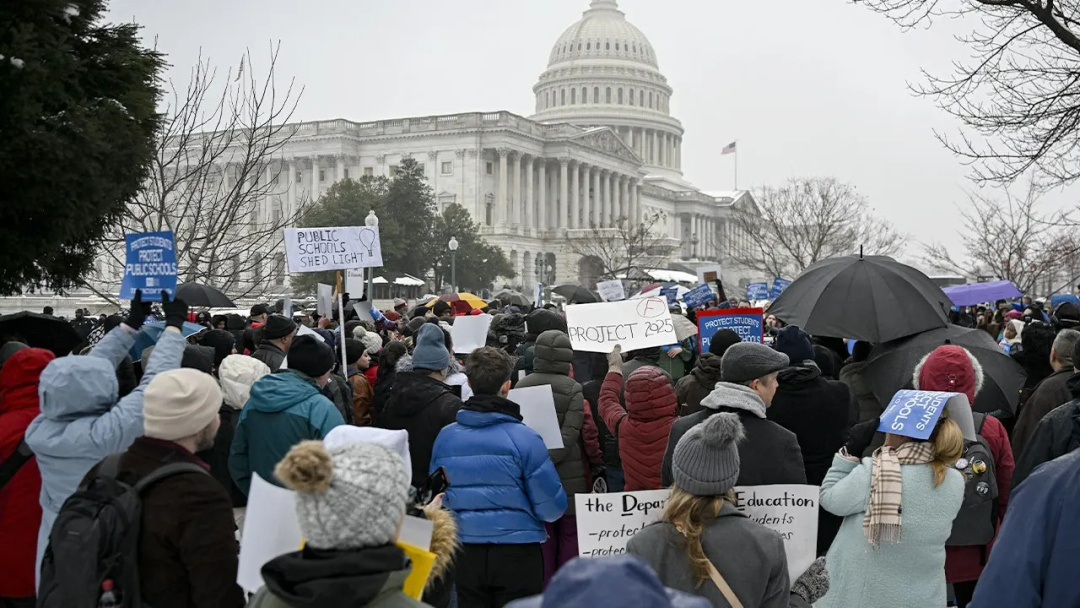
According to a report from Defending Education, the National Education Association (NEA), the largest teachers' union in the United States, and its affiliates allocated nearly $7.8 million to oppose ballot measures aimed at expanding school choice in 2026. This substantial financial commitment underscores the union's strategic efforts to combat conservative educational initiatives, as outlined in internal documents.
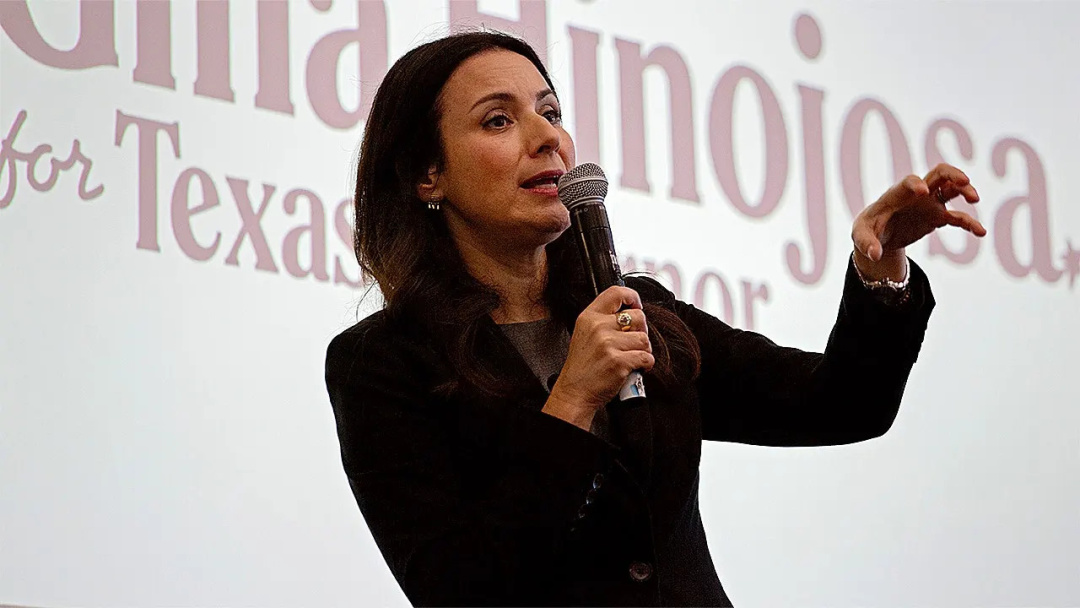
The report details how the NEA has shifted its focus over the years from educational advocacy to engaging in political battles on various social issues. Erika Sanzi, the senior director of communications at Defending Education and a former NEA member, criticized the union for prioritizing political agendas over the educational needs of students. "Instead of focusing on education, the union has become increasingly involved in issues such as the Israeli-Palestinian conflict, climate change, and gender ideology," Sanzi stated.
Common Sense Shop
The United States of Common Sense
Amazon shopping links. Sponsor Complete!
Internal NEA documents reveal that the union is permitted to spend unlimited amounts from its general treasury on ballot measures, provided it adheres to state affiliate agreements. This policy has facilitated the NEA's financial support for campaigns opposing school choice, which the union argues detracts from public school funding and perpetuates inequality.
In Arizona, for instance, the Arizona Education Association contributed $75,000 to a political action committee opposing Proposition 318, which mandates that schools restrict access to facilities and sports participation based on biological sex. Meanwhile, the Washington Education Association invested over $391,000 in efforts to defeat two ballot measures, one of which sought to restore parental rights in public education.
Understanding NEA's School Choice Opposition
The NEA's opposition to school choice initiatives is rooted in its belief that such programs undermine public schools. However, Sanzi argues that this perspective fails to recognize the true essence of school choice. "School choice doesn't mean that public schools won't be an option; it simply means families have alternatives," she explained. This distinction is crucial for understanding the broader implications of the NEA's political maneuvers.
Moreover, the NEA's financial strategies extend beyond opposing school choice. The organization has also been proactive in preserving its revenue streams amid legislative changes that restrict payroll deductions for union dues. The NEA's "AutoPay Playbook" outlines strategies to transition members to a recurring payment model, which the union claims is essential for maintaining its influence and operational capacity.
The Common Sense Test
As the NEA continues to navigate these challenges, the implications for educational policy and parental rights remain significant. The union's substantial investments in political campaigns raise questions about its priorities and the impact on families seeking greater educational freedom.
Ultimately, the NEA's aggressive spending against school choice reflects a broader ideological battle over educational policy in America. As parents increasingly demand more control over their children's education, the union's actions may provoke a backlash that could reshape the landscape of public education. The question remains: will the NEA adapt to the changing demands of families, or will it continue to prioritize its political agenda over the educational needs of students?